The military ruling class (samurai) maintained power through a complex system of vassalage and land management rather than through enslaving large populations.
Political stability and control were maintained through social order rather than through the exploitation of slaves.
Social Mobility and Indentured Servitude:
While there was limited social mobility, systems like indentured servitude allowed some individuals to work off debts over time, providing a pathway out of servitude unlike lifelong chattel slavery.
Seasonal labor and temporary servitude were more common, aligning with agricultural cycles and economic needs without institutionalizing slavery.
Domestic Servitude and Bondage:
Domestic servants, known as “kaji,” often worked under contracts for specific periods rather than as lifelong slaves.
Practices like “okage” (a form of bonded labor) tied individuals to service without stripping them of all personal rights.
These factors collectively contributed to the absence of a formalized slavery system in Japan, contrasting with the Western model where slavery was integral to economic and social structures.
The Japanese economy did not rely heavily on large-scale plantations or extensive agricultural estates that required mass labor, unlike the American South or Caribbean colonies.
Agricultural work was typically performed by peasant families who paid taxes or provided labor in lieu of rent.
Legal and Social Frameworks:
During the Edo period (1603-1868), the Tokugawa shogunate implemented strict social order policies, emphasizing social stability over economic exploitation of slaves.
Legal codes in Japan did not sanction slavery in the same way Roman law or later European colonial laws did.
Cultural Attitudes:
The concept of “giri” (duty) and “ninjo” (human feeling) permeated Japanese society, fostering a sense of mutual obligation rather than ownership.
Samurai ethics and the bushido code stressed loyalty and service but within a framework of honor, not ownership.
Historical Context:
While ancient Japan did practice forms of slavery (e.g., “nuhi” or domestic slaves in the Nara period), these practices declined significantly by the Heian period (794-1185).
The relative isolation of Japan (sakoku policy) during the Edo period limited the influence of Western slave trade practices.
Certainly! Here are the reasons why slavery, as seen in Western societies, did not exist in Japan:
The system of “nengu” (land tax) and “corvée labor” required peasants to work on public projects, providing necessary labor without formal slavery.
Feudal System Structure:
Japan’s hierarchical feudal system structured society around the samurai, farmers, artisans, and merchants, rather than relying on slavery for labor.
Social mobility was restricted, but the system ensured that even the lowest classes had defined roles and responsibilities.
Influence of Confucianism and Buddhism:
Confucianism emphasized social harmony and hierarchical relationships, which discouraged the notion of owning another human being outright.
Buddhism promoted compassion and the sanctity of life, indirectly influencing attitudes towards the treatment of individuals.
Alternative Labor Practices:
Instead of slavery, Japan utilized systems like “servitude” and “indentured labor.” For example, the “hinin” (non-people) and “eta” (outcast) classes performed labor under strict social constraints but were not owned as property.
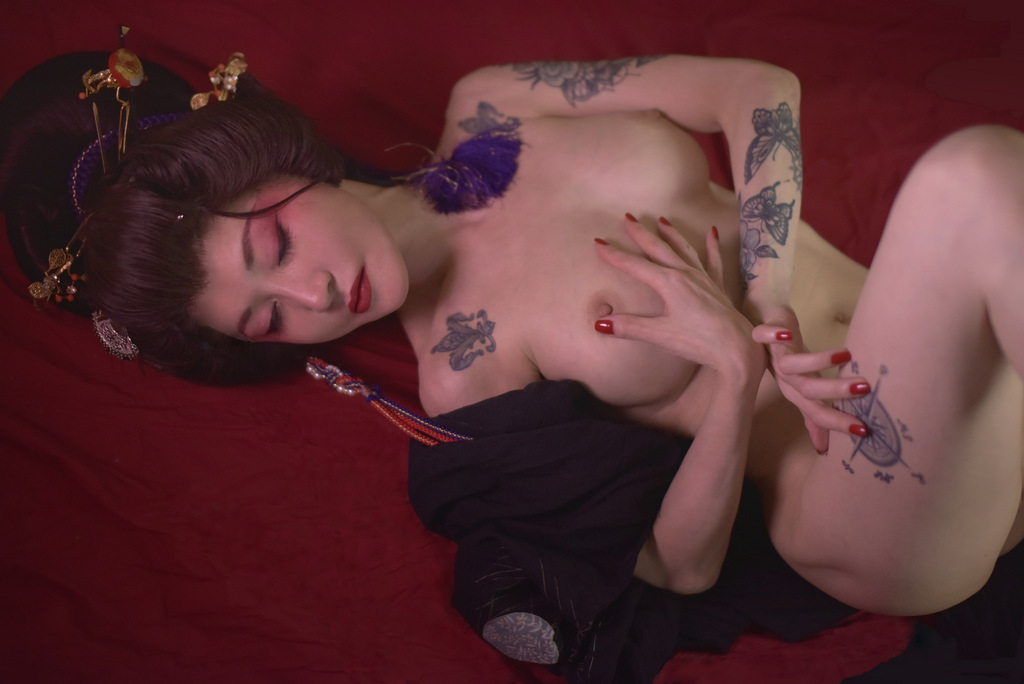
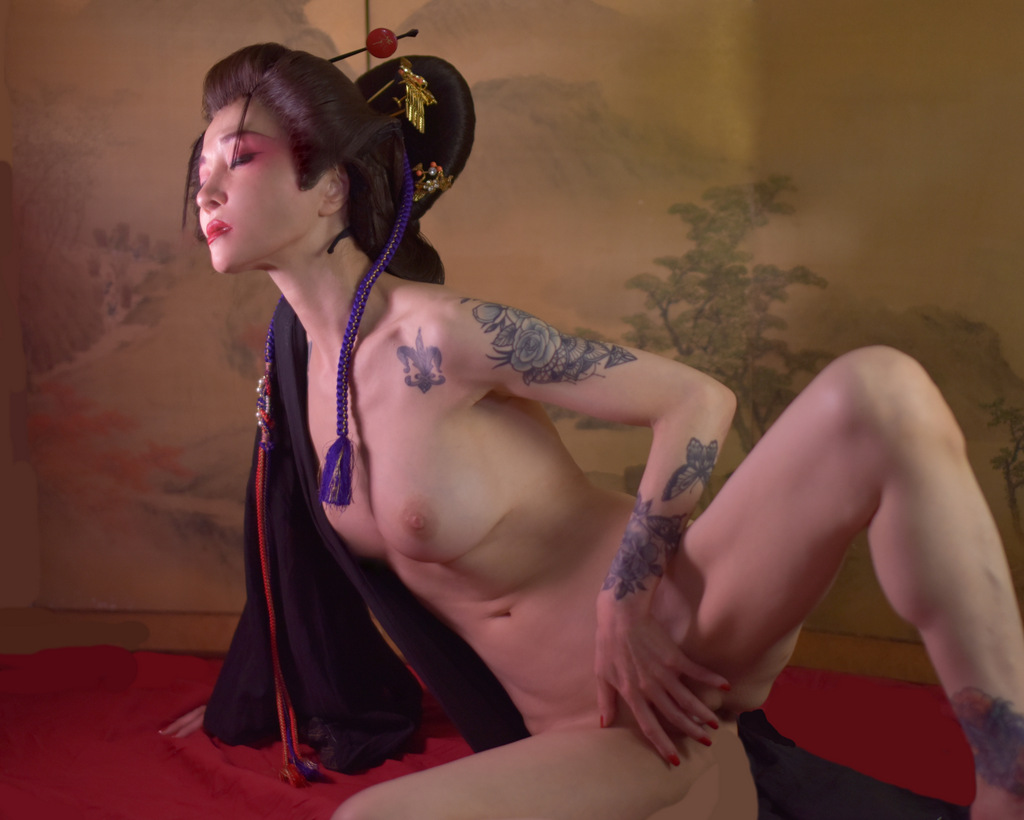
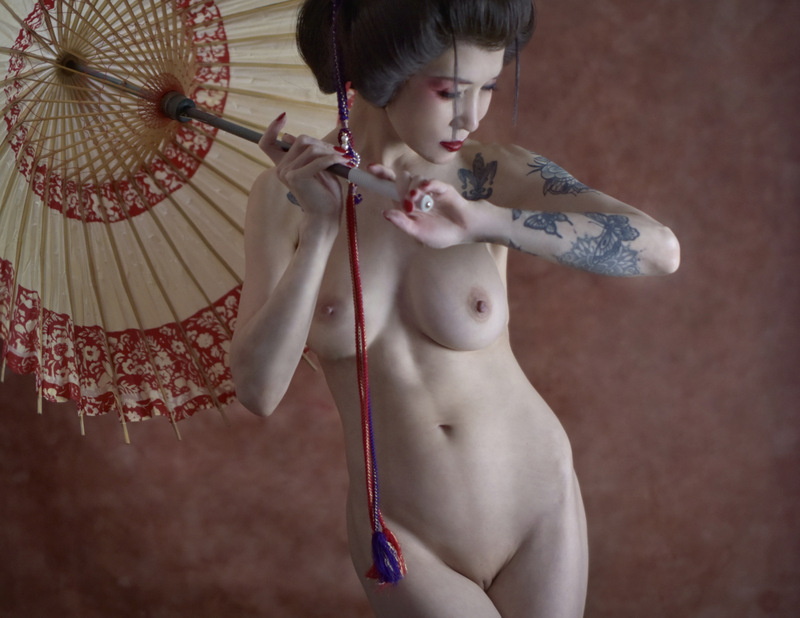
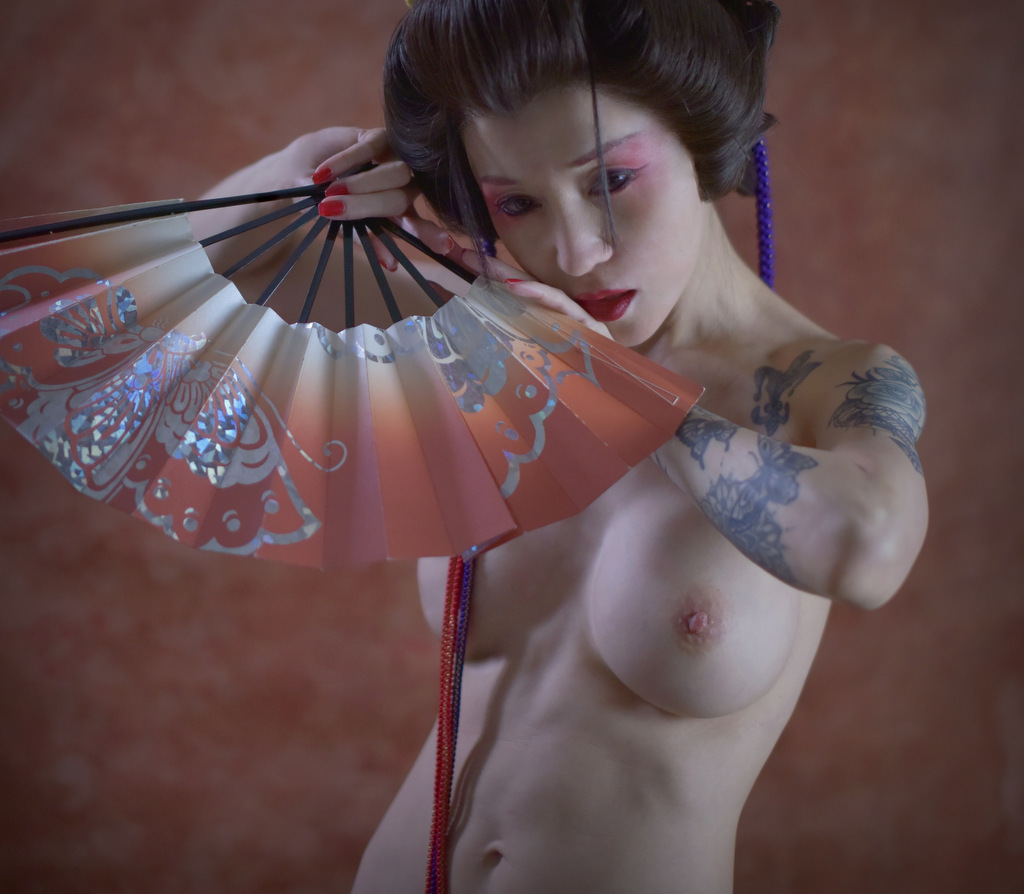
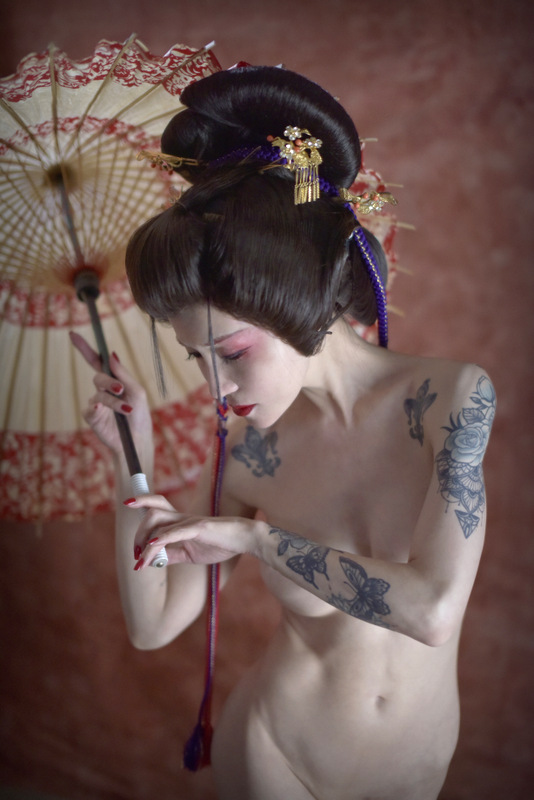
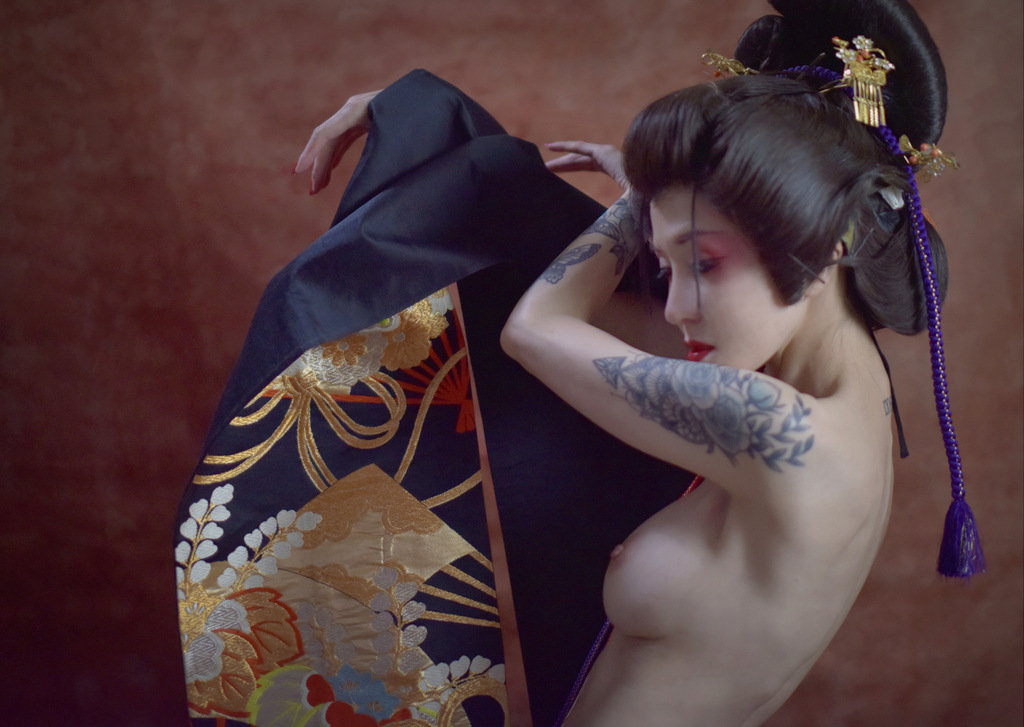
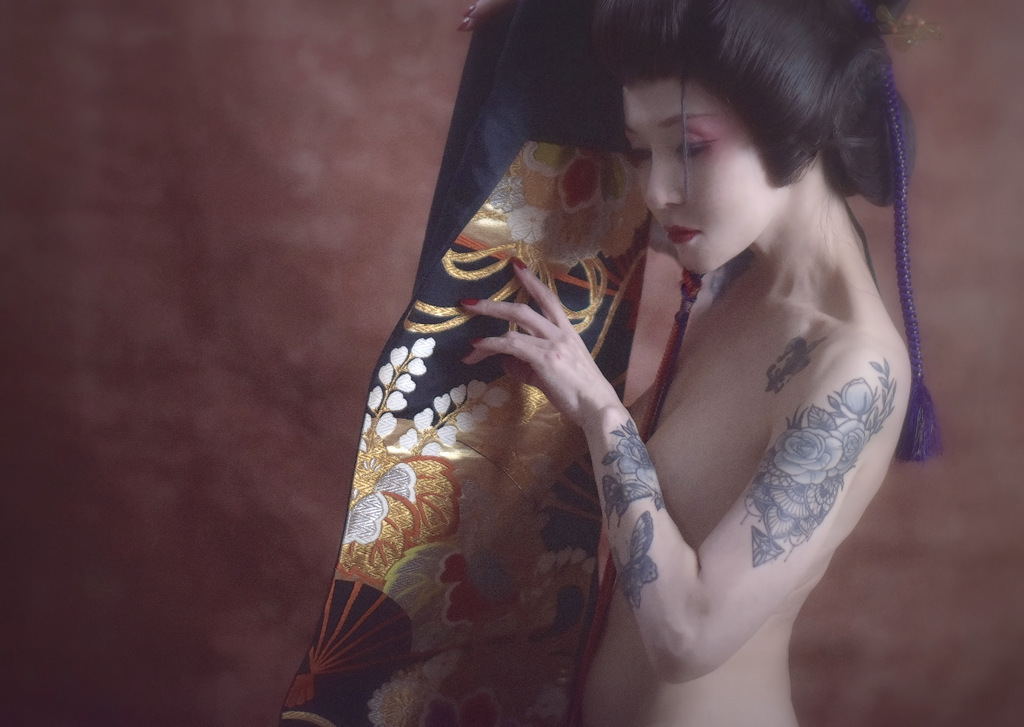
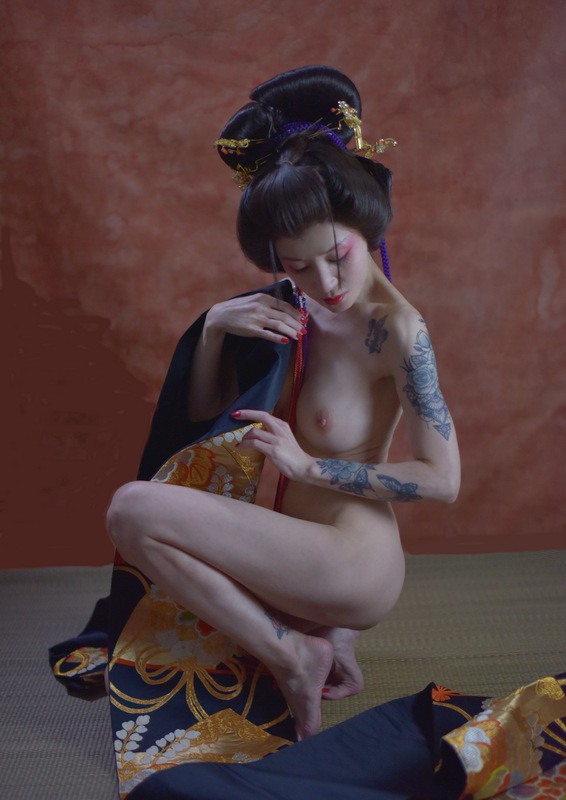
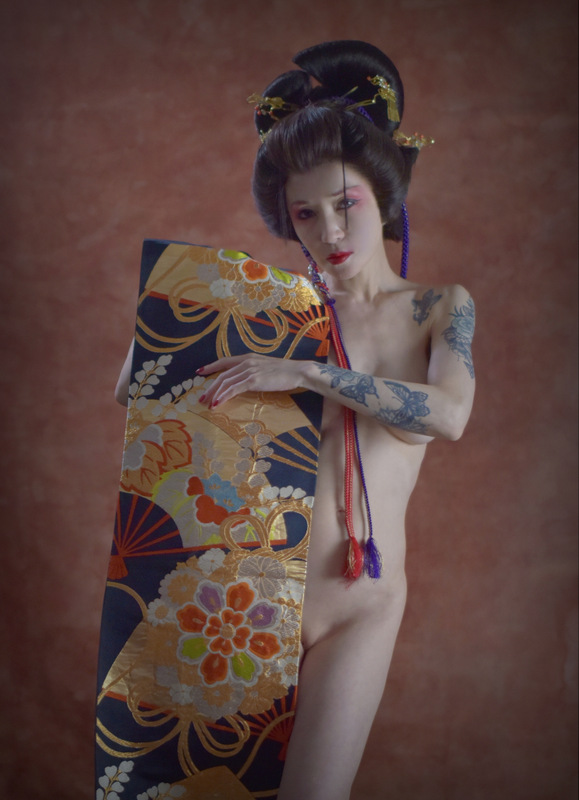
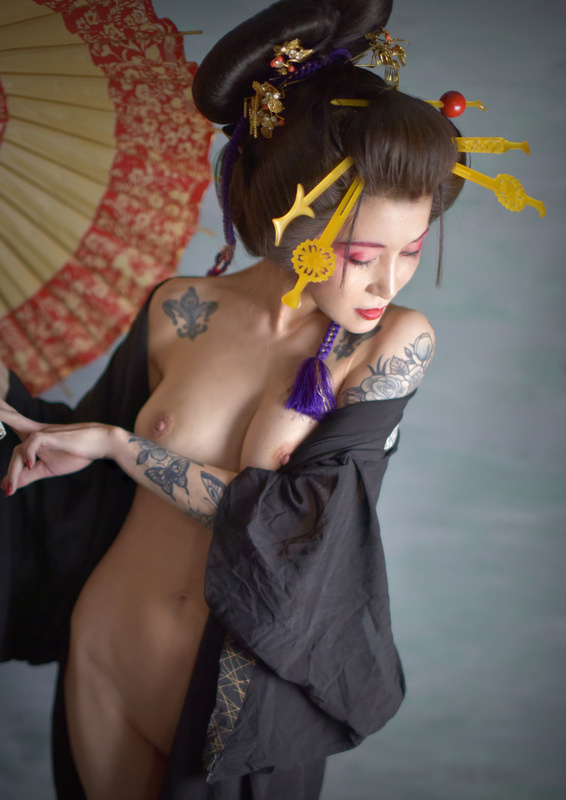
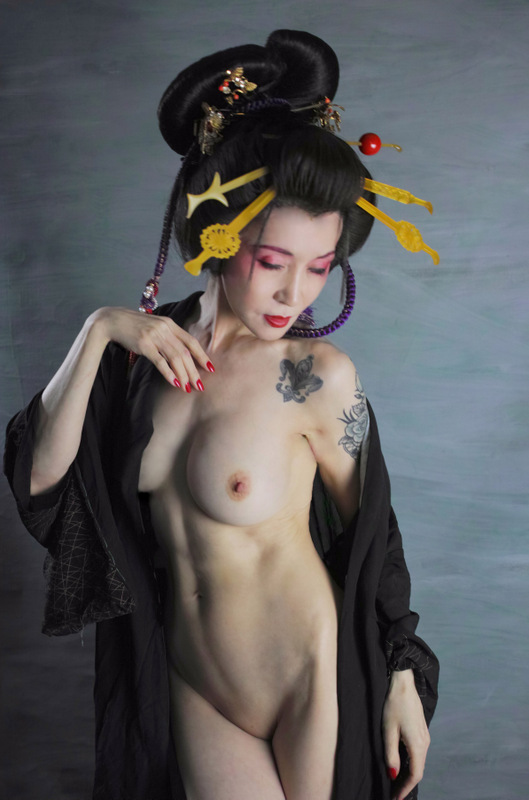
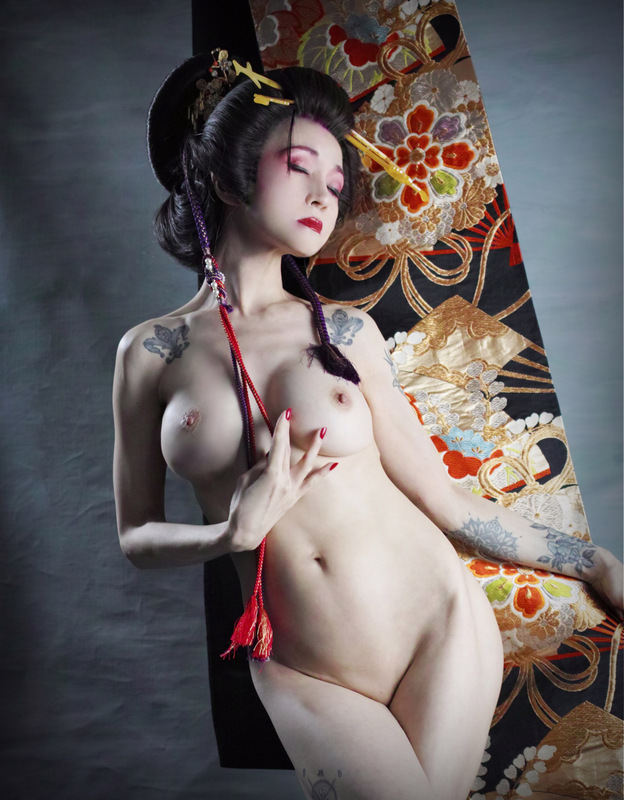
Understanding why the Oiran, high-ranking courtesans in Japan, are not simply sexual slaves is indeed challenging for Westerners due to significant cultural differences and historical contexts. The Western perspective often interprets the concept of courtesanship through a lens shaped by their own historical experiences with sex work, slavery, and gender roles. This can lead to a misinterpretation of the role and status of Oiran in Edo-period Japan. Here are several key points to consider:
Cultural and Historical Context: In the Edo period (1603-1868), Japan’s society was highly stratified and regulated by a strict class system. The Oiran were part of the Yoshiwara pleasure quarters, which were legal and regulated areas for entertainment, including the services of courtesans. Unlike the chattel slavery system known in the West, where individuals were property with no rights or autonomy, the Oiran operated within a structured, albeit restrictive, framework that afforded them certain privileges and status. They were not bought and sold as property but were contracted professionals.
Training and Skillset: Oiran were not merely sex workers but highly trained entertainers. Their training began from a young age and included various arts such as music, dance, poetry, calligraphy, and the tea ceremony. This comprehensive training elevated their status beyond that of a simple prostitute. They were cultural icons and custodians of sophisticated cultural practices, which distinguished them from the concept of sexual slavery. Their ability to converse intelligently on a wide range of topics and entertain intellectually and artistically set them apart as elite courtesans.
Economic and Social Autonomy: While it is true that Oiran operated within a system that controlled much of their lives, they also had a degree of economic independence. They could attract patrons, negotiate the terms of their engagements, and in some cases, amass considerable wealth. This economic autonomy is a stark contrast to the condition of slaves, who had no control over their labor or earnings. Additionally, successful Oiran had the potential to gain social influence and patronage, further distinguishing their roles from those of slaves.
Misconceptions from a Western Perspective: Westerners often project their historical experiences with slavery and prostitution onto other cultures. The concept of sexual slavery is heavily tied to the brutal transatlantic slave trade and the exploitation found in various parts of European history. In contrast, the Oiran system, while far from modern ideals of gender equality and autonomy, operated under a different set of social and cultural norms. Western interpretations often fail to recognize the agency and cultural significance embedded in the role of the Oiran.
Comparison with Geisha: The confusion often extends to the role of Geisha, another class of Japanese female entertainers, who are sometimes mistakenly equated with prostitutes in Western imaginations. Geisha are performers and hostesses who entertain through traditional arts without offering sexual services. The misunderstanding of Geisha and Oiran roles highlights a broader issue of cultural misinterpretation. Both roles, while differing in nature and function, emphasize skill, artistry, and social engagement over mere sexual service.
Representation in Media: Western media portrayals often sensationalize and simplify complex cultural practices. Films and literature may depict Oiran and similar figures in a way that reinforces stereotypes rather than presenting a nuanced understanding. These portrayals contribute to the persistence of misconceptions and hinder a deeper appreciation of the historical and cultural contexts.
Conclusion: Understanding why Oiran were not sexual slaves involves recognizing the unique historical, social, and cultural contexts of Edo-period Japan. The Oiran’s role encompassed a broad range of skills and responsibilities that provided them with a distinct status, albeit within a restrictive system. They were cultural figures and entertainers whose agency and social functions cannot be adequately captured by the concept of sexual slavery as understood in the Western context. Appreciating these differences requires a nuanced and informed perspective that goes beyond superficial comparisons and recognizes the specificities of Japanese history and culture.

























































































































 被写体を希望する方々へ