聴き取りにくいのですが、この国の民主主義を憂う・・内容ですね
民度は高いが、政治を司るものは最低ということ・・
聴き取りにくいのですが、この国の民主主義を憂う・・内容ですね
民度は高いが、政治を司るものは最低ということ・・
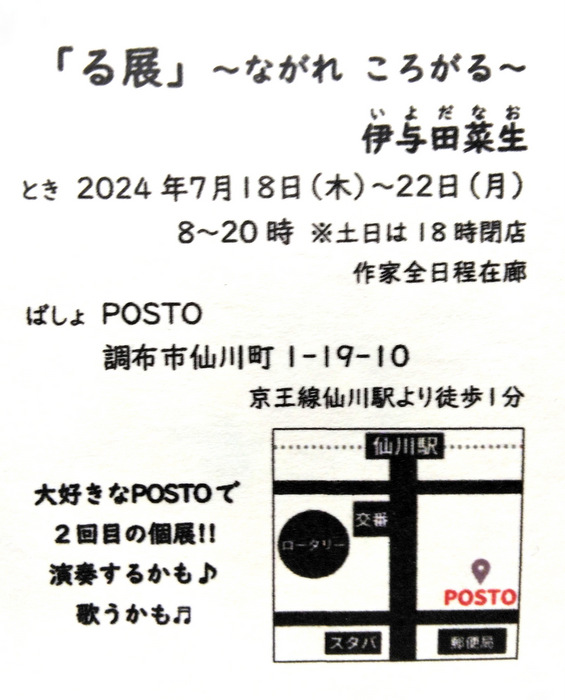
「る展」 ~ながれ ころがる~
伊与田菜生
調布市仙川町1-19-10
京王線仙川駅より徒歩10分 POSTO
・
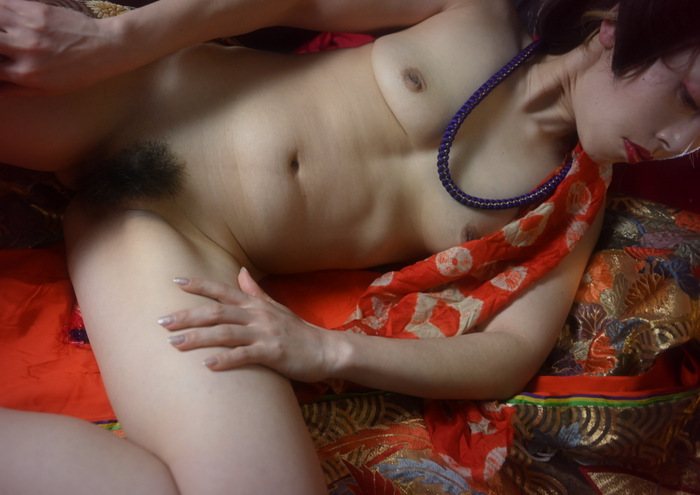
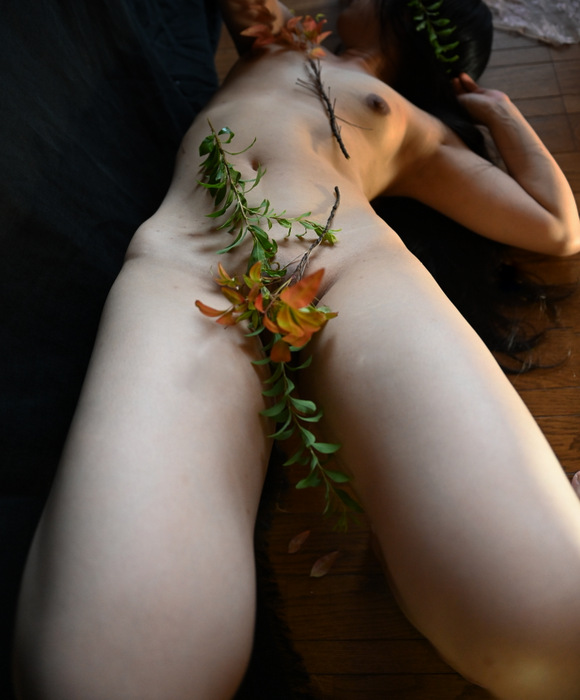
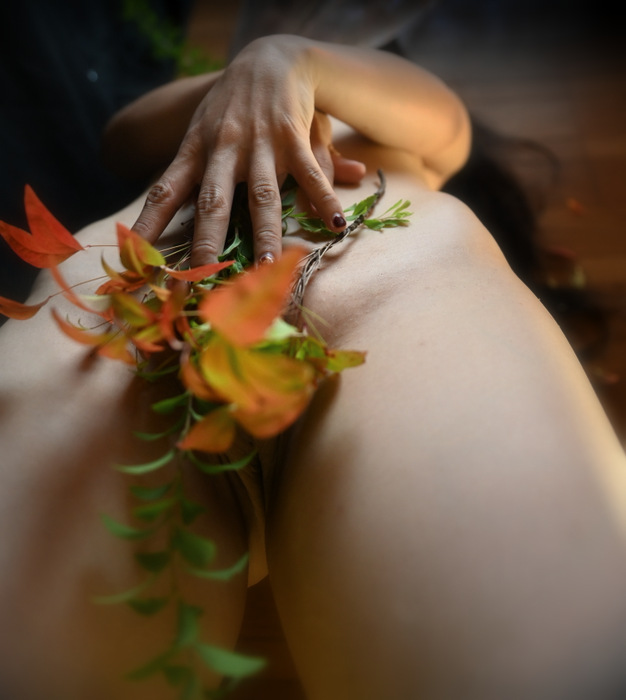
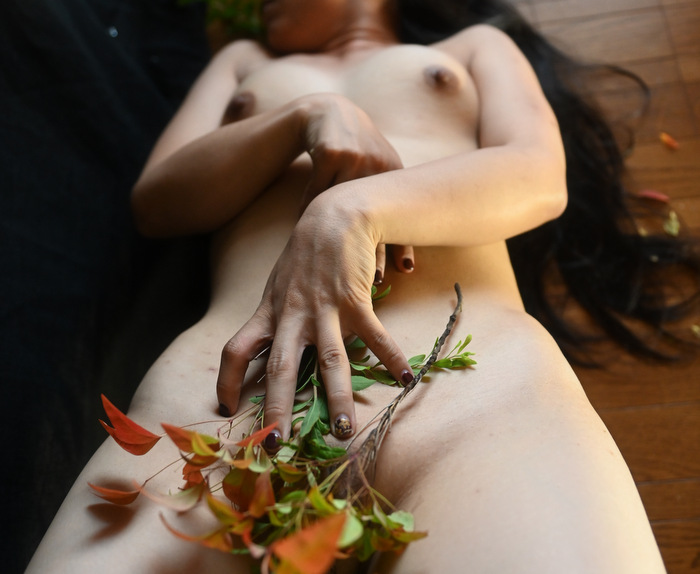
Artist-model : Yu
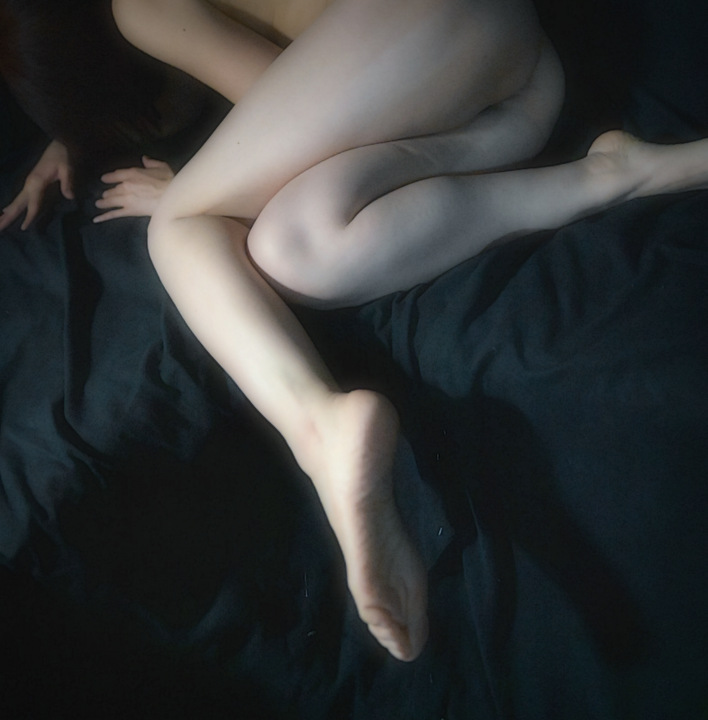
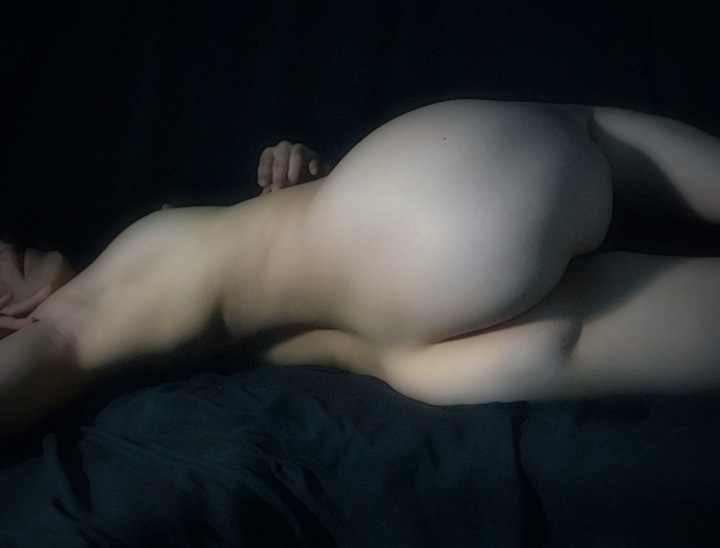
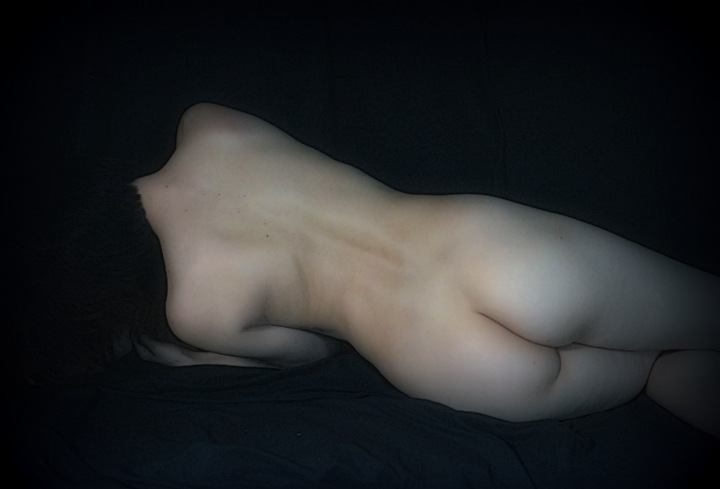
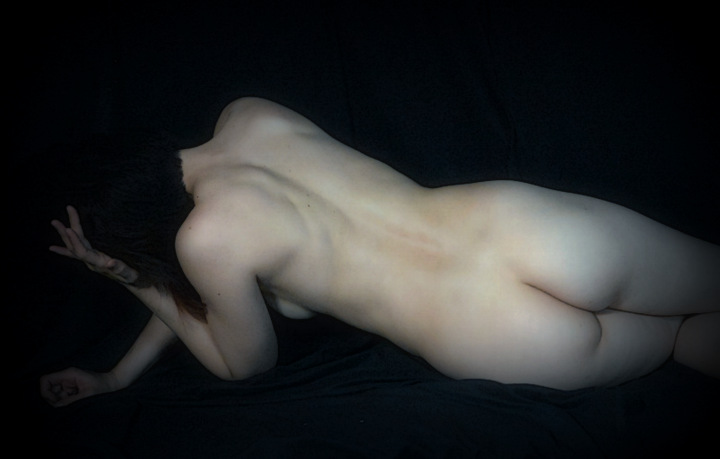
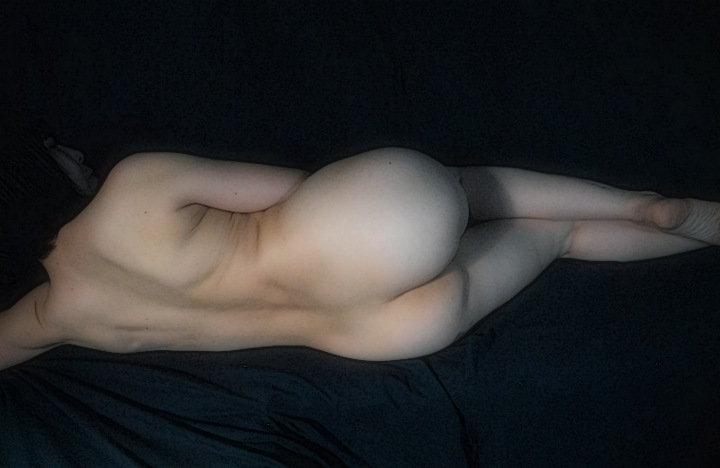
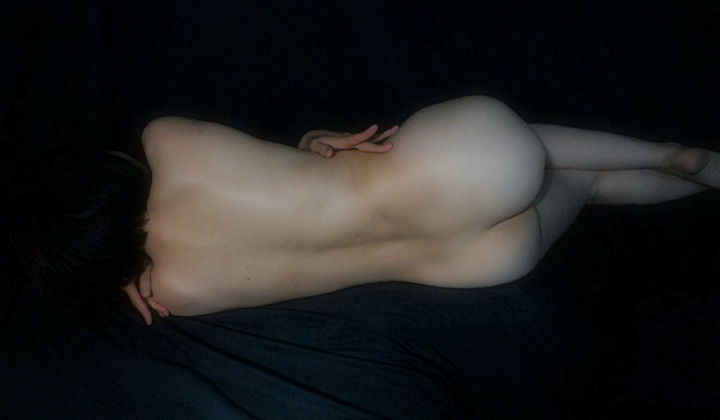
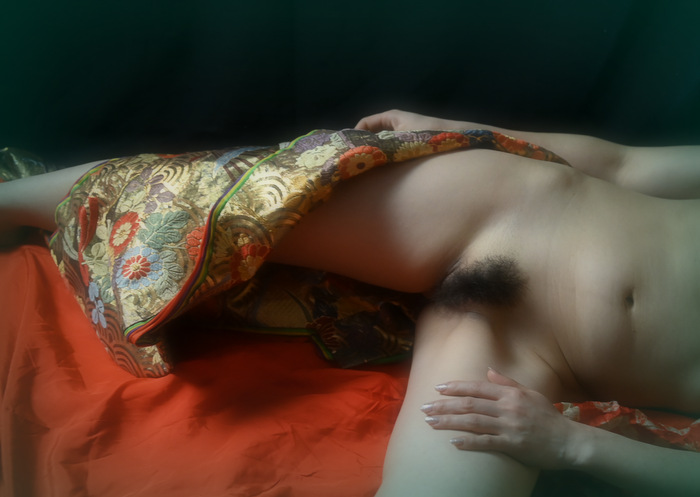
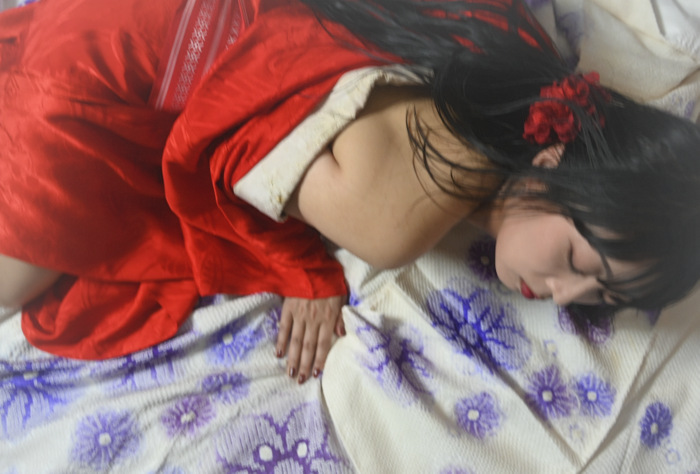
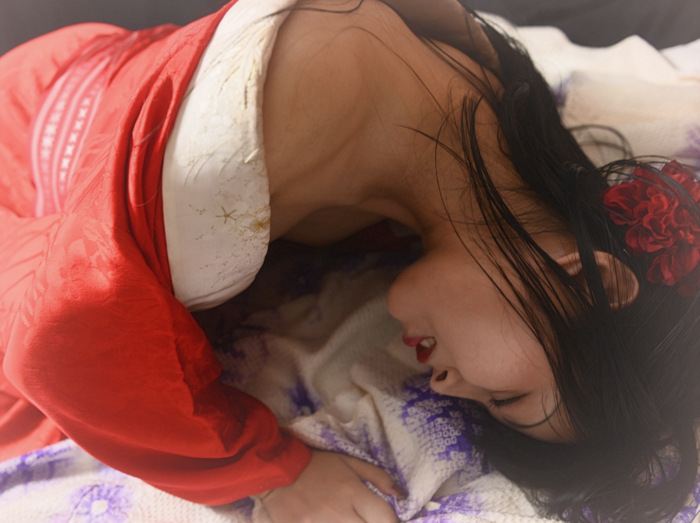
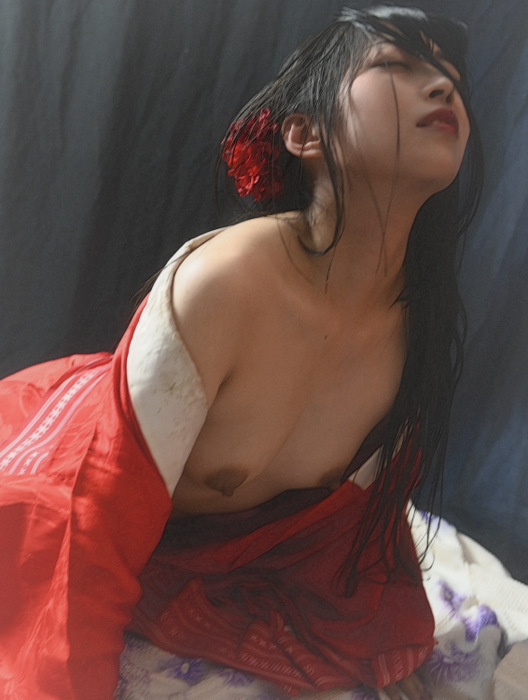
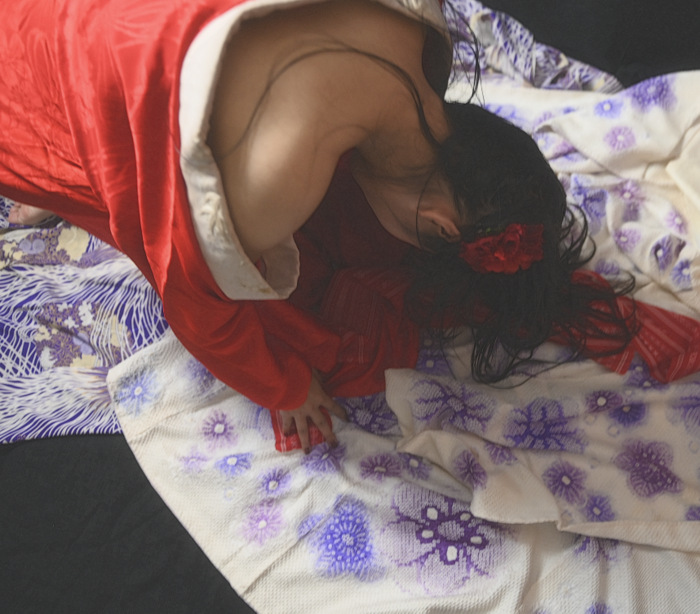
Capturing the Art of Nude Reclining Poses: Inspired by Impressionist Paintings
The art of photography, particularly nude photography, presents a unique and profound challenge to the artist. Unlike other genres, it demands a delicate balance between sensuality and artistry, between revealing the form and concealing the individual’s identity. When infused with the spirit of Impressionism, the challenge becomes even more exhilarating. Impressionist painting, known for its emphasis on light, color, and the momentary, ephemeral quality of scenes, provides a rich source of inspiration for creating nude reclining poses in photography. This essay explores how one might approach this task, drawing parallels between the two mediums and offering practical advice on technique, composition, and artistic vision.
Impressionism, emerging in the late 19th century with pioneers like Claude Monet, Pierre-Auguste Renoir, and Edgar Degas, sought to capture the “impression” of a moment. This movement was characterized by loose brushwork, vibrant colors, and a focus on the effects of light. Impressionists often painted en plein air (outdoors), striving to depict the changing qualities of light and atmosphere. This focus on light and momentary beauty is crucial when attempting to capture the essence of a nude reclining pose in a photograph.
・
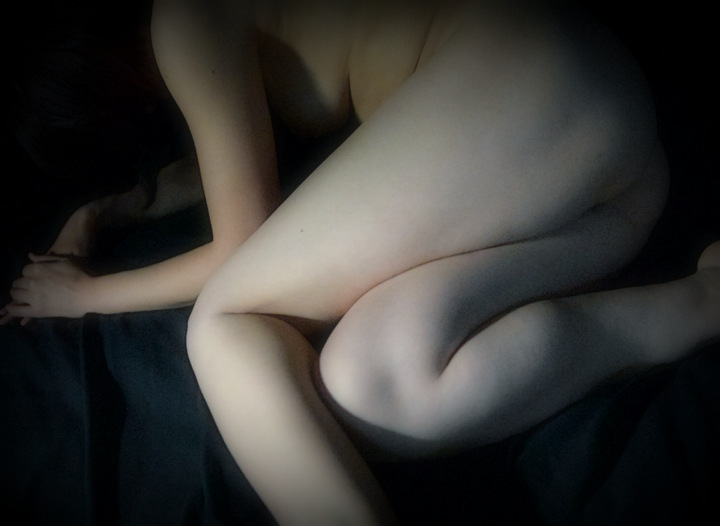
One of the fundamental aspects of Impressionist art is the use of light to convey mood and depth. In photography, light is equally vital. To create an Impressionist-inspired nude reclining pose, the photographer should consider natural light sources. Early morning or late afternoon light, often referred to as “golden hour,” can imbue the scene with a warm, soft glow, much like the light depicted in many Impressionist paintings.
Natural light can be diffused through curtains or reflected off surfaces to soften shadows and highlight the contours of the body. This mimics the way Impressionist painters used light and shadow to give form to their subjects. Additionally, experimenting with light from different angles can create a variety of moods and emphasize different aspects of the human form.
The composition of a photograph is its backbone, much like the structure of a painting. In both mediums, the placement of the subject, the use of space, and the overall balance are crucial. When photographing a nude reclining pose, one should consider the principles of composition used by the Impressionists.
Impressionist artists often favored asymmetrical compositions, where the subject is off-center, creating a more dynamic and engaging image. This technique can be applied in photography by positioning the model slightly to one side, allowing space for the interplay of light and shadow. Furthermore, incorporating elements of the surrounding environment can add context and depth, much like the landscapes and interiors that often frame Impressionist subjects.
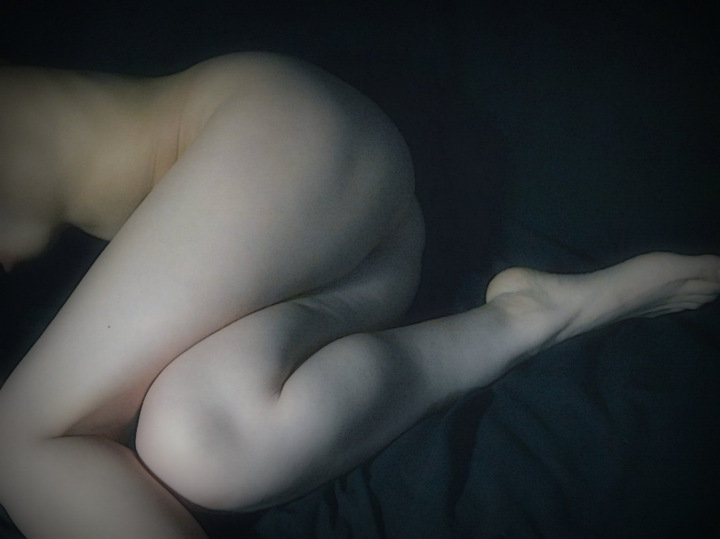
The pose itself should be natural and relaxed, echoing the casual, unposed appearance of many Impressionist figures. A reclining position, with limbs loosely arranged and body contours gently curved, can evoke a sense of serenity and intimacy. The photographer should encourage the model to shift slightly, adjusting to the light and finding comfortable, aesthetically pleasing angles.
・
・
Impressionist paintings are renowned for their vibrant, yet often soft and pastel color palettes. Translating this into photography involves careful consideration of the model’s skin tones, the background, and any props used. Neutral backgrounds can help the model’s form stand out, while colored backdrops or fabrics can introduce subtle hues reminiscent of Impressionist works.
Editing software can be employed to enhance the colors and create a more painterly effect. Adjusting the saturation and hue, applying filters that mimic the texture of brushstrokes, or even adding a slight blur can evoke the softness of an Impressionist painting. However, these effects should be used sparingly to avoid overpowering the natural beauty of the photograph.
A hallmark of Impressionism is the focus on capturing a fleeting moment. In nude photography, this translates to seizing the natural, spontaneous expressions and movements of the model. Continuous shooting mode can be beneficial, allowing the photographer to capture a sequence of movements and select the most evocative frame.
Encouraging the model to move slowly, shift positions, or change facial expressions can result in a series of images that convey a sense of time passing. This approach mirrors the Impressionist desire to depict life as it happens, with all its inherent beauty and imperfection.
・
・

・
Both photography and Impressionist painting seek to evoke emotion. In photographing a nude reclining pose, the emotional connection between the model, the photographer, and the viewer is paramount. The model’s comfort and confidence play a significant role in the final image. Establishing trust and open communication can help the model relax and express genuine emotions, whether it be serenity, vulnerability, or strength.
The photographer’s perspective and emotional state also influence the outcome. Approaching the shoot with a clear artistic vision and a sensitivity to the model’s emotions can result in a more authentic and powerful image. The goal is to create a photograph that resonates emotionally with the viewer, much like the best Impressionist paintings do.
Technical considerations are equally important in achieving an Impressionist-inspired nude photograph. Here are some practical tips:
・

・
・
Creating a nude reclining pose in photography that resonates with the spirit of Impressionist painting is a journey of artistic exploration. It requires a keen understanding of light, composition, color, and emotion. By drawing inspiration from the techniques and principles of Impressionism, photographers can capture images that are not only visually stunning but also deeply evocative.
In this endeavor, the photographer becomes a painter, using the camera as a brush to create a tableau that celebrates the beauty of the human form and the ephemeral quality of light and moment. It is a fusion of art and reality, where the lines between painting and photography blur, and where each image tells a story that is both timeless and immediate.
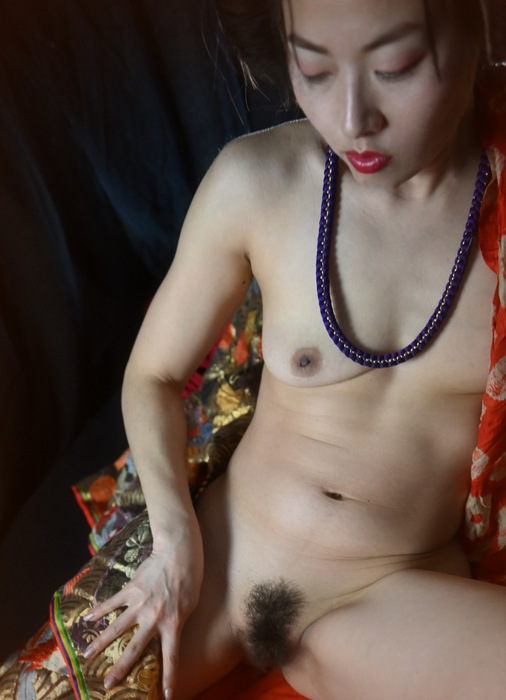
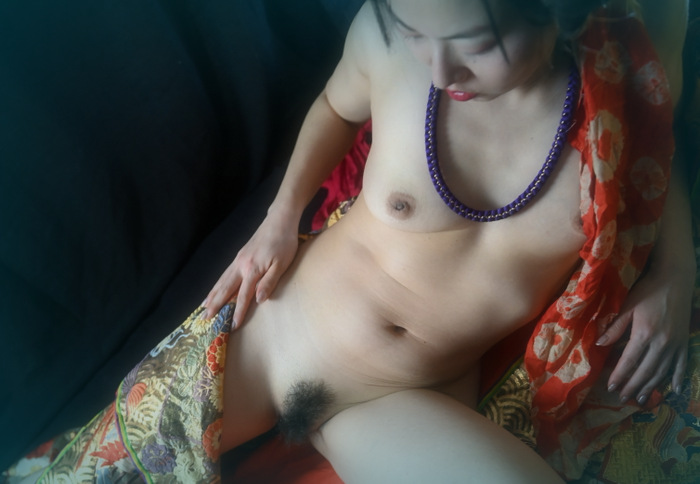
Model-Yu : Lying pose collection 2
・
方丈記風に語る命あることの大切さ
世の中は絶えず変わり続ける。人の命もまた、波のように儚く、一瞬にして消えゆくこともある。されど、この短き命の中にこそ、無限の価値が宿る。命あることの大切さを知り、今を生きることの意味を見出すことは、人の心を豊かにし、真の幸福へと導く道なり。
命とは、天地の恵みの一つにして、偶然の重なりにより与えられし宝なり。風の音、水の流れ、鳥のさえずり、全てが生きている証であり、その中に自らの命もまた共にある。この大自然の中で、命を持ちて生まれしことの奇跡を感じるとき、日々の営みが尊く思えるのだ。
・
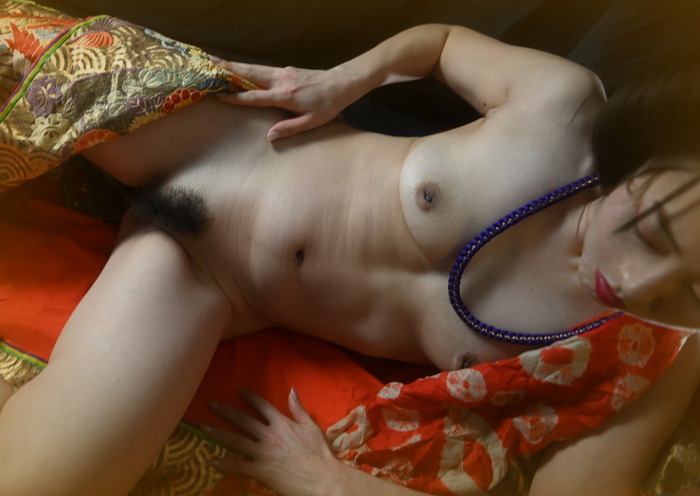
艶っぽい・・
・
・
方丈記風に語る命あることの大切さ
・
・
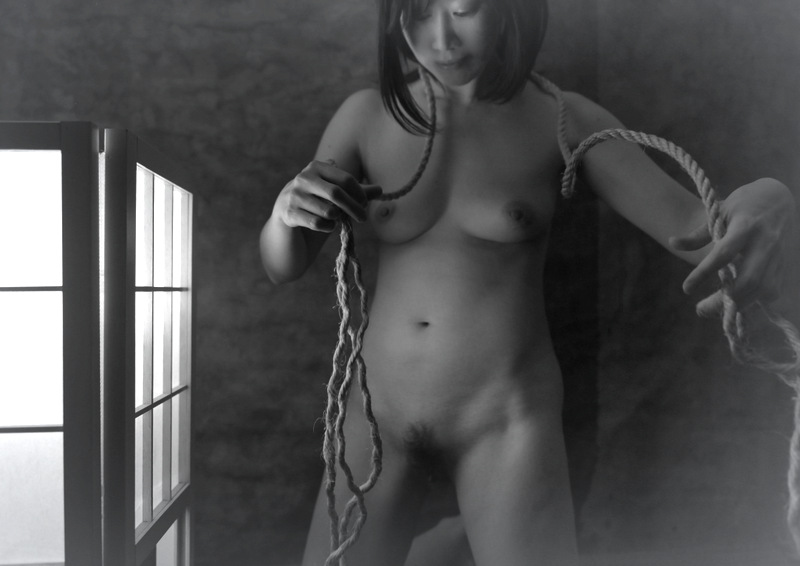
・

・
「塾長の思うこと・・」
子供を長年見てて分かったことですが、
こと「学習能力」に限って言えば、
地頭の良さが80%、環境が10%、努力が10%なんです。
教育関係者のほとんどが、”嘘”ばっかり言ってるでしょ、
そりゃ、そうなんです・・
地頭の良さだけでほとんどが決まってしまうと言ったら、
学校の先生のいる意味はなくなるし、その地位さえも危うくなる。
「優れもののテキストと頑張りで成績はどうにでもなります!」
なんて、言ってる塾関係者に至っては、
経営が破綻してしまうでしょ、だから、決してそのようなことは言いません。
・
頑張れば変わる!と思わないとモチベーションが下がる
・・と思う人が多いでしょ、
親が子に「頑張れば変わるから・・」というのは
子供に対しての強制であり、
「頑張れば変わる」と自分に言いきかせようとするのは
”既定路線に組み込まれていかないと取り残される”という
”強迫観念”です。
・
面白ければ、頑張るし、欲も出るんです、
「適性を見極める」ことが大切なんです、人は。
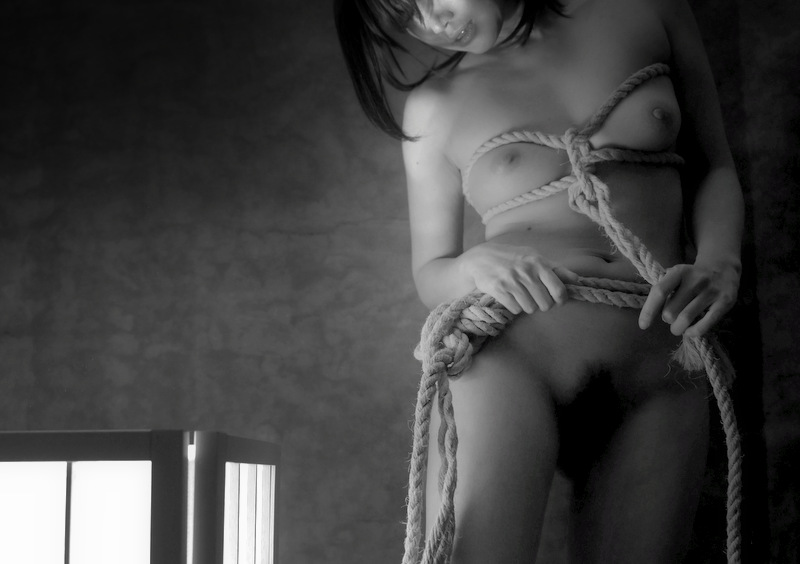
・

・

人生は、才能と運
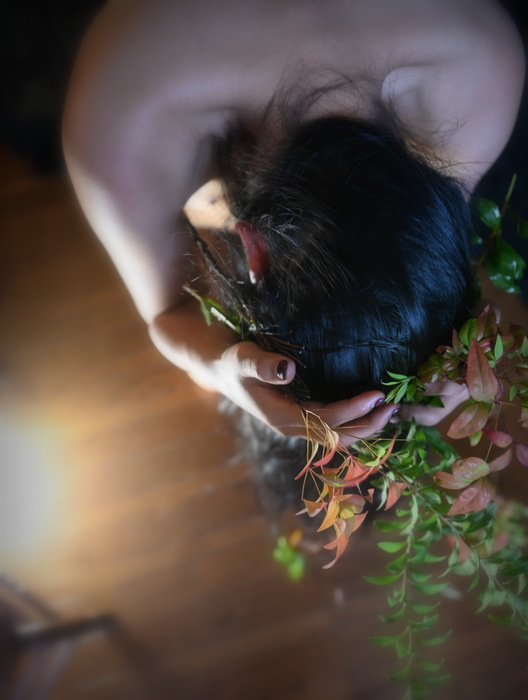
・
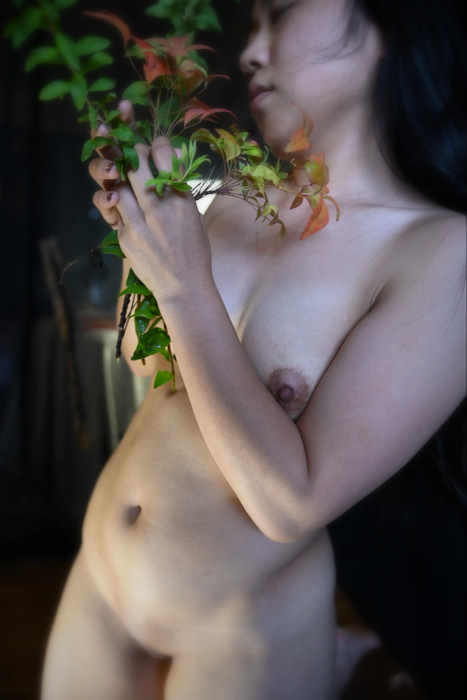
・
model : tef writing by ChatGPT
彼女の顔が脳裏に浮かぶたび、胸の奥が締めつけられるような感覚が広がる。佐藤健二は、彼女に対する想いを抱き続けていた。しかし、その想いが彼女に届くことはなかった。
健二は、彼女、田中美咲と大学のサークルで知り合った。初めて会ったとき、その笑顔に心を奪われた。彼女の明るさと優しさ、そしてその美しい微笑みが、健二の心に深く刻まれたのだ。しかし、健二は自分の気持ちを言葉にすることができなかった。美咲に近づく度に、心臓がドキドキと高鳴り、言葉が喉に詰まるのだ。
美咲には既に恋人がいた。その事実を知ったとき、健二の心は一瞬で冷え切った。しかし、それでも彼女への想いは消えなかった。美咲が幸せそうに恋人と話している姿を見る度に、健二の胸は痛みで満たされた。それでも、彼女の幸せを願う気持ちが勝り、黙ってその光景を見つめるしかなかった。
日々が過ぎ、季節が変わっても、健二の心は変わらなかった。彼は美咲のそばにいることができるだけで満足しようとした。しかし、その満足感はいつしか虚しさに変わっていった。美咲への想いは日に日に強くなるばかりで、その想いを抱えたままでは、自分の心が壊れてしまいそうだった。
ある日、健二は意を決して美咲に想いを伝えることを決めた。それは、彼にとって一世一代の決断だった。もし彼女に拒絶されたとしても、その瞬間が来るまでには、彼の心の中で無数のシナリオが再生され続けていたのだ。
その日の夕方、健二は美咲を大学の庭園に呼び出した。夕陽が美しく庭を照らす中、彼は緊張した面持ちで美咲を待っていた。やがて、彼女が現れ、その笑顔に再び心を奪われる。健二は深呼吸をして、心を落ち着けた。
「美咲さん、少し話があるんだ」と健二は震える声で言った。
美咲はその言葉に少し驚いた表情を見せたが、優しく頷いた。健二は彼女の瞳を見つめながら、自分の想いを一言一言紡いでいった。彼の心の中の全てを言葉にし、彼女への愛を伝えた。
しかし、美咲の表情は次第に曇っていった。彼女は静かに健二の言葉を聞き終えると、深いため息をついた。
「健二君、ありがとう。でも、私には恋人がいるし、彼をとても愛しているの」と美咲は優しく、しかし確固たる決意を持って答えた。
健二はその瞬間、自分の世界が崩れ落ちるのを感じた。彼の心は痛みで引き裂かれるようだった。しかし、美咲の瞳には誠実さと優しさが宿っており、彼はその言葉を受け入れるしかなかった。
その日以来、健二は美咲との距離を保つことに決めた。彼の心の中の美咲への想いは、決して消えることはなかったが、それを自分の中で消化することができるようになるまでには、長い時間がかかった。
健二は自分の心の中に静かに問いかける。自分の愛が届かぬことを知りながらも、なぜこれほどまでに彼女を想い続けたのか。答えは単純で、それは愛という感情が理屈では割り切れないものだからだ。
健二はやがて新たな日々を歩み始める。美咲への想いは彼の心に深く刻まれているが、それは彼が成長するための糧でもあった。彼女に届かなかった愛は、彼を強くし、新たな未来へと導くための大切な一歩となったのだ。
彼はこれからも、自分の心に正直に生きることを誓った。美咲への想いを胸に秘めつつも、新たな希望と共に歩む彼の姿は、どこか頼もしく、そして美しいものだった。
・

・
・
・

・

tef
・
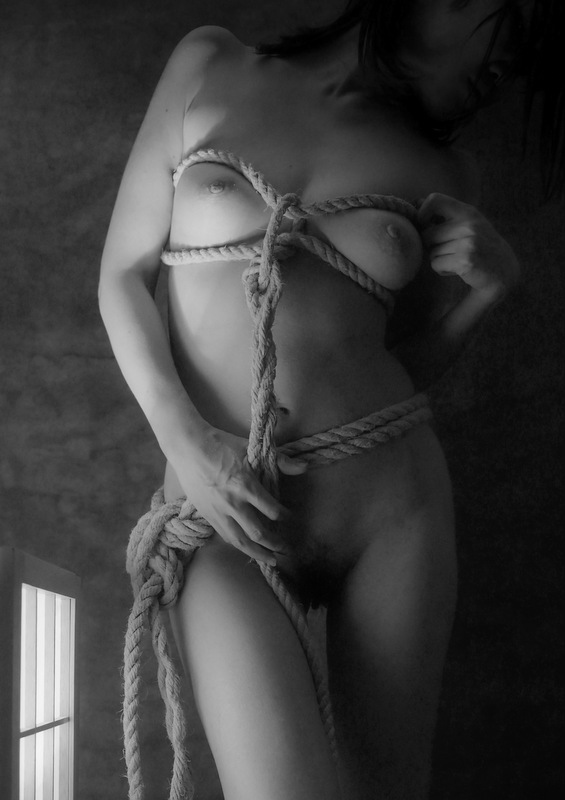
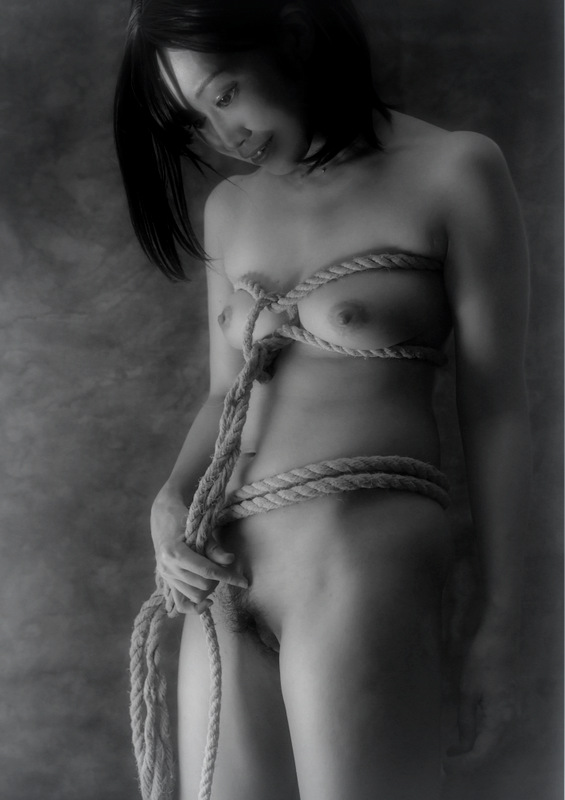
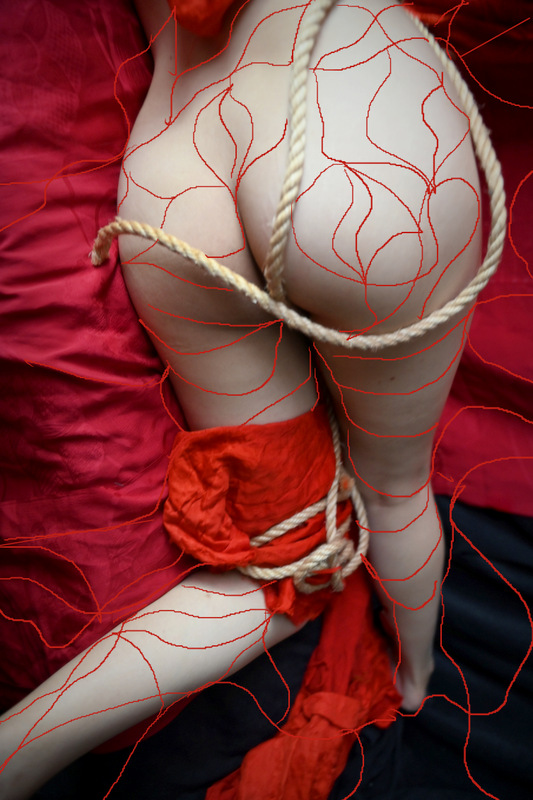
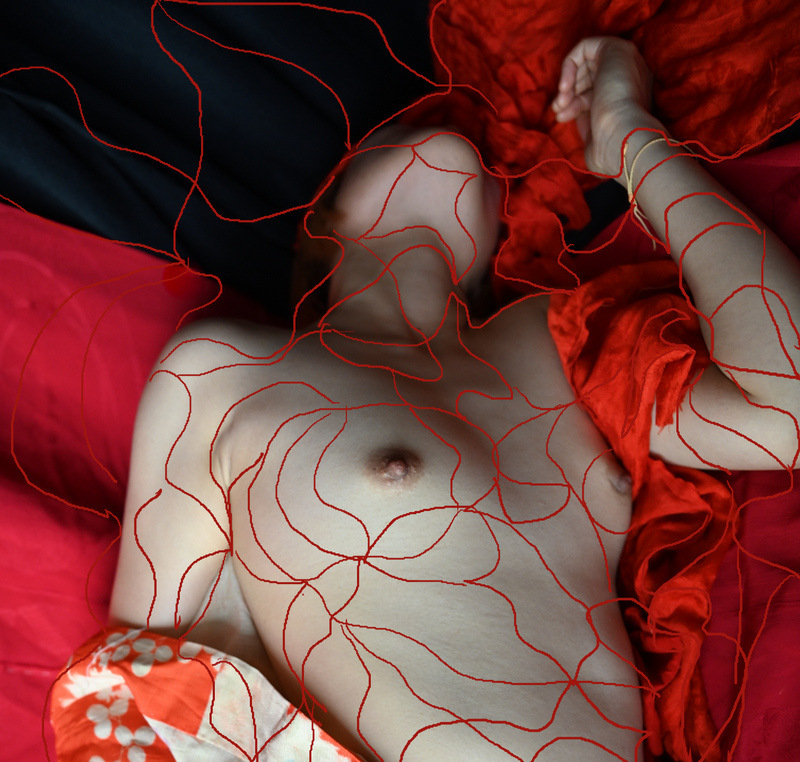
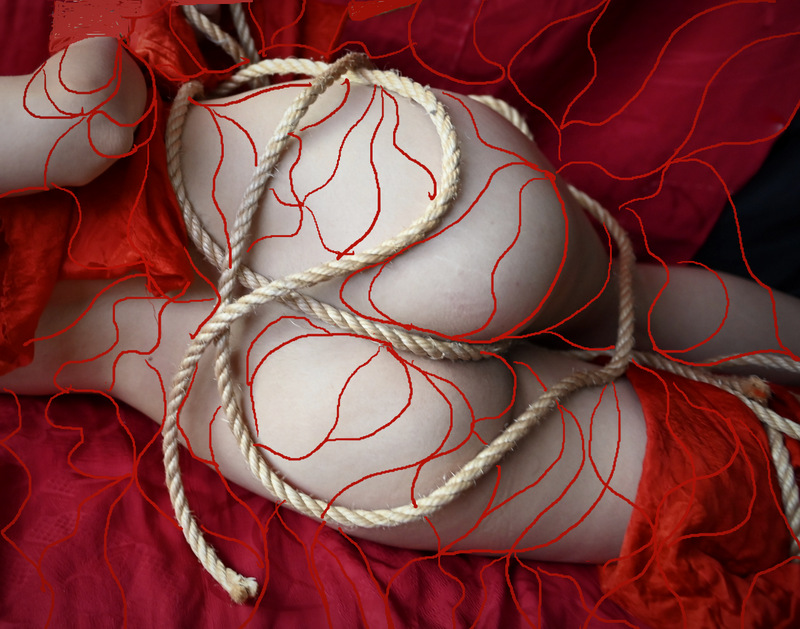
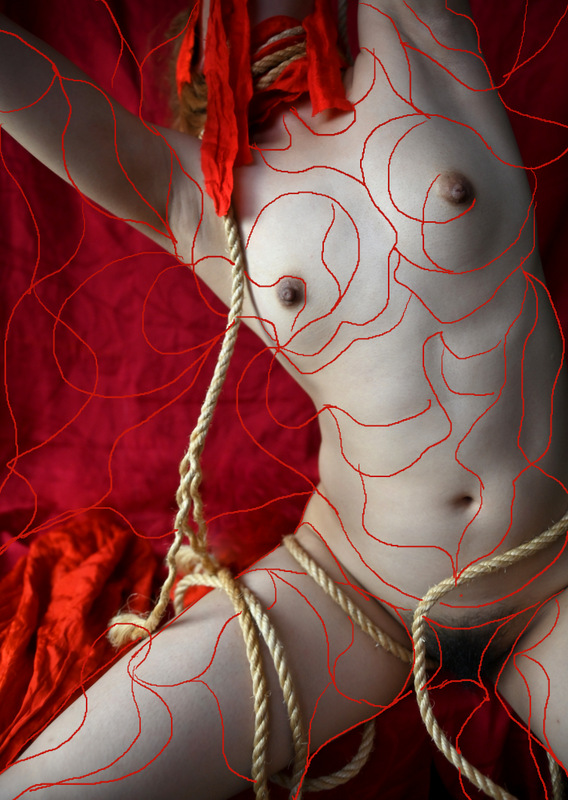
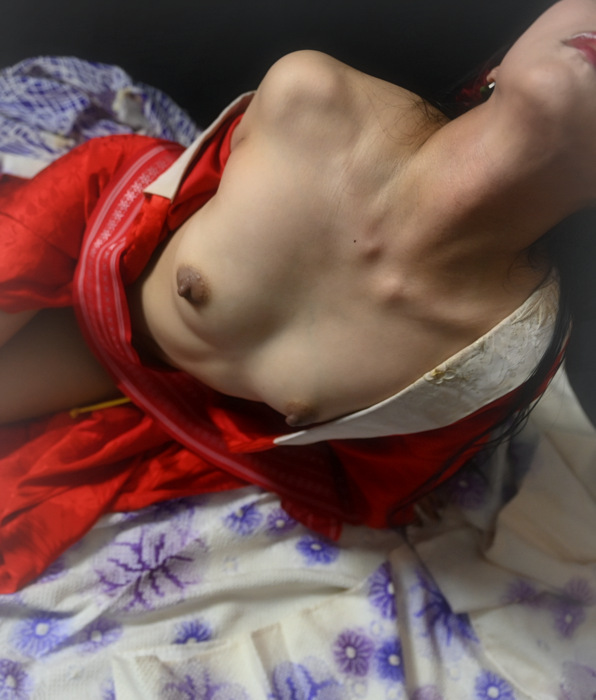
縄のアート、すなわち「緊縛」は、単なる物理的な行為を超えた深遠な心理的次元を持つ。緊縛は、しばしばマゾヒズムと結びつけられ、その両者の交差点で展開される独特な世界が存在する。この小説では、その心理的側面に焦点を当て、ある人物の視点からその複雑で奥深い体験を描写する。 Writing by ChatGPT
真夜中の都会。高層ビルの間をすり抜ける風が冷たく感じられる。そんな中、一軒のマンションの一室で、静寂が支配していた。壁にかかった時計が午前2時を指している。部屋の中心には、一人の女性が薄明かりの中に立っていた。彼女の名前は美咲。彼女は今日、特別なセッションのためにこの場所に来ていた。
・

・
・

・
・
masochism 序章
・
モデル:天麻音 ひぃ ☆ Hee Amane
方丈記風に語る過去と未来の解釈
世の中は無常の流れなり。過去とは既に過ぎ去りしこと、変えること叶わぬ。しかしながら、未来の生き方によって、過去の意味や価値を変えることは可能なり。これは人の心の中にて起こる変化であり、内なる智慧の成長に依るものなり。
古き人々の言葉に、「昨日はもはや変えることはできぬ」とあり。過去に起こりし出来事は、岩に刻まれたる文字の如し、不変の真実なり。されど、未来という時間の流れにて、人は新たな経験を積み重ねる。これにより、過去の出来事の意味を新たに理解し直すことができるのだ。
例えば、ある者が若き日に困難な経験をしたとしよう。その当時、その出来事は苦痛としか感じられず、避けるべきものとして心に刻まれた。しかし、年月を経て、その者が新たな知恵を得、人生の意味を深く考えるようになれば、その苦難もまた意味を持ち、成長の糧となることを理解するに至る。このようにして、過去の解釈は未来に生きることにより変わるのである。
また、人は未来において新たな視点を得ることができる。例えば、過去において自らを責め続けたことも、後に他者の言葉や行動を通じて、新たな光の中で見ることができる。自己の過ちと思いしことも、実は他者との関係性や運命の流れによる不可避のものであったと気づくこともある。この気づきは未来においてのみ得られるものであり、過去の出来事の意味を再解釈する力を持つ。
そして、未来をどのように生きるかが、過去への解釈を変える鍵となる。未来において、自己の行動や選択が新たな結果を生み出す時、過去の出来事もまた、その結果に照らして新たな意味を持つ。例えば、過去に失敗と思われたことも、後に成功の一部として認識されることがある。未来において成功を収めることで、過去の失敗もまた価値ある経験と変わるのである。
人生は絶え間なく変わり続ける流れの中にある。その流れの中で、人は過去と未来を繋ぐ橋を築く。未来を見据えて前進することで、過去の重荷もまた軽くなる。人は自らの歩む道を通じて、過去の意味を新たに創造し直すのである。このようにして、未来を生きることにより、過去の解釈を変えることができるのだ。
この無常の世において、人の心もまた変わり続ける。未来の希望と努力が、過去の暗闇を照らし、新たな光をもたらす。この智慧を持ちて、今を生き、未来を創り出すことこそ、真の解放であり、過去の束縛からの脱却である。かくして、過去は変えられぬが、未来に生きることでその解釈を変えることが可能であると知るべし。
・
・
・
・
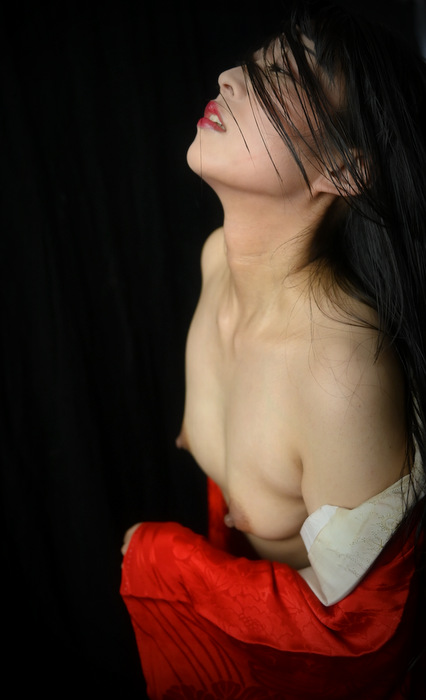
天麻音 ひぃ ☆ Hee Amane b

 被写体を希望する方々へ