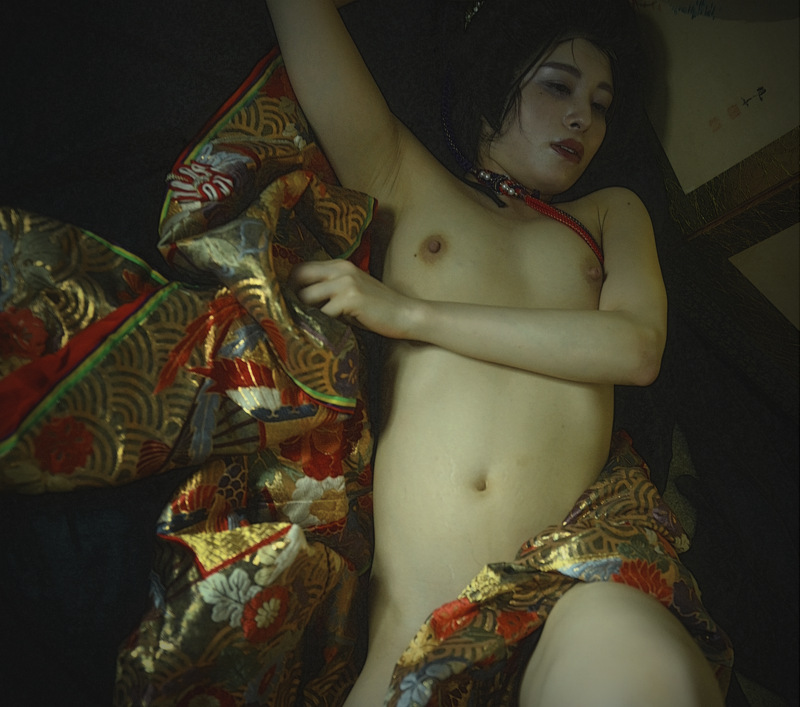
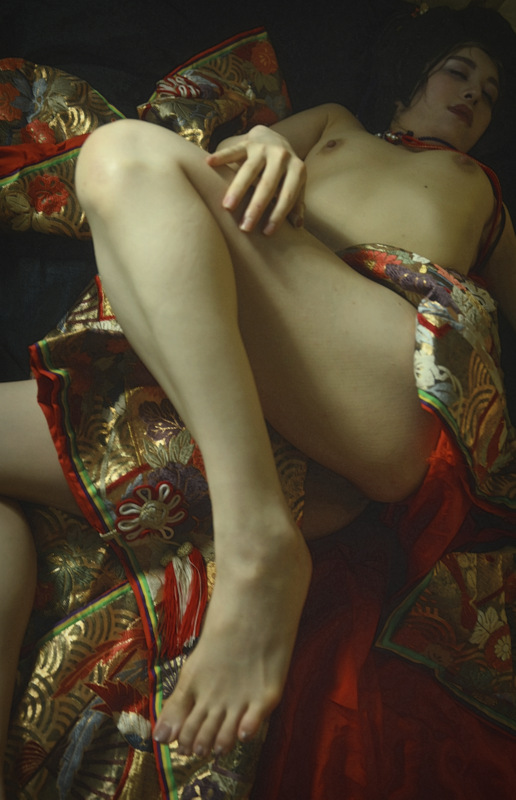
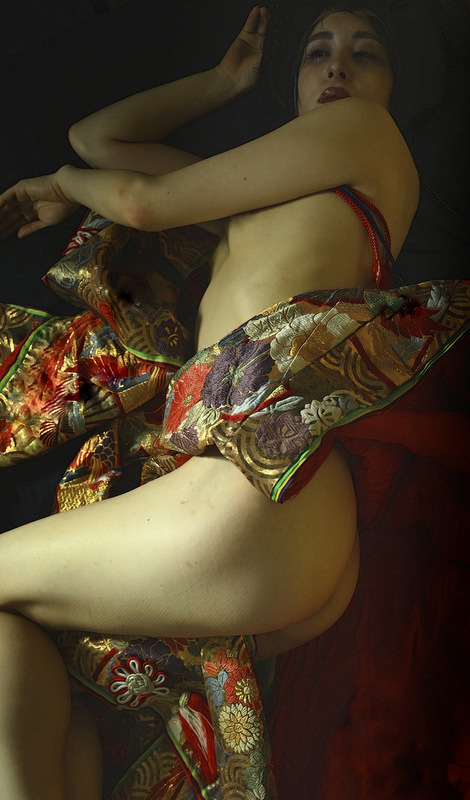
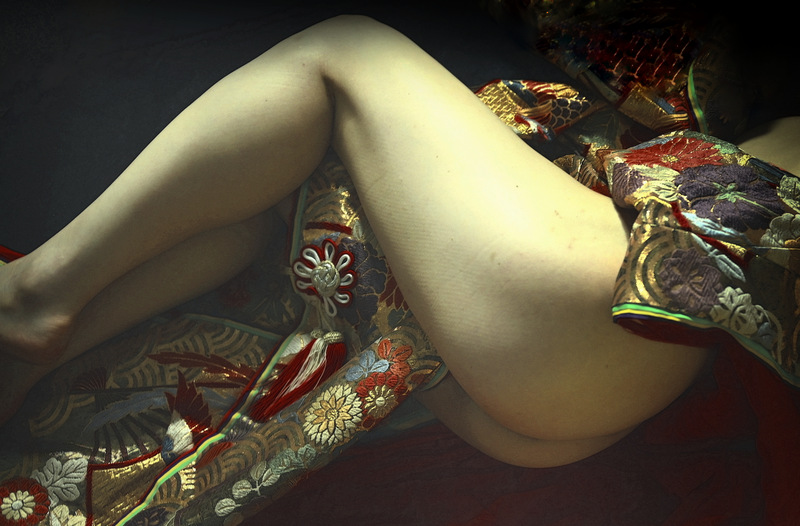
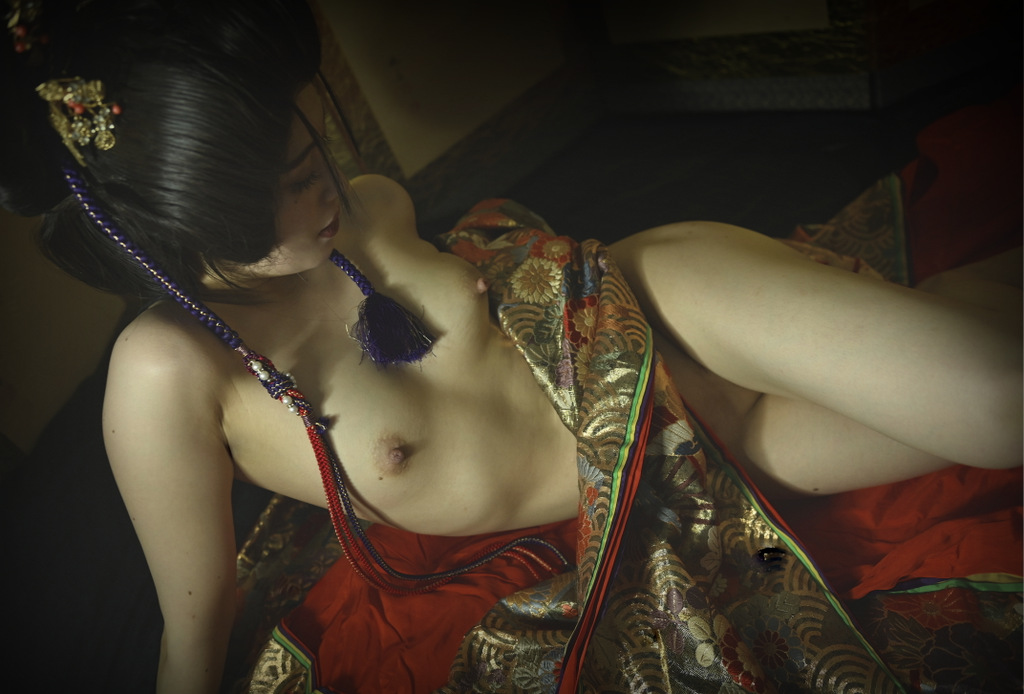
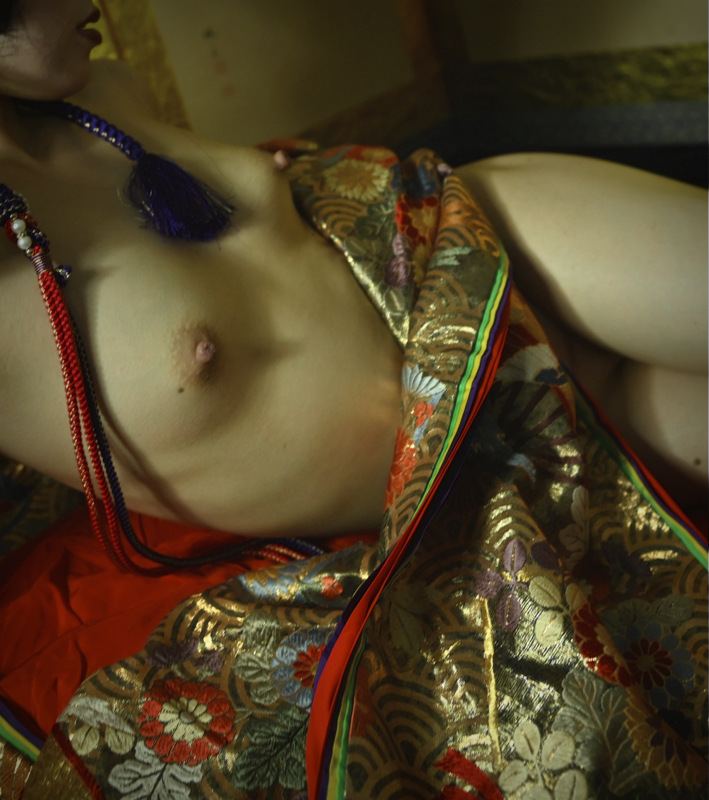
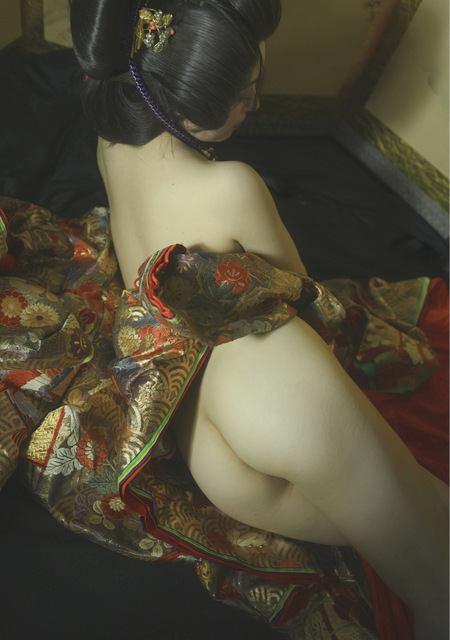
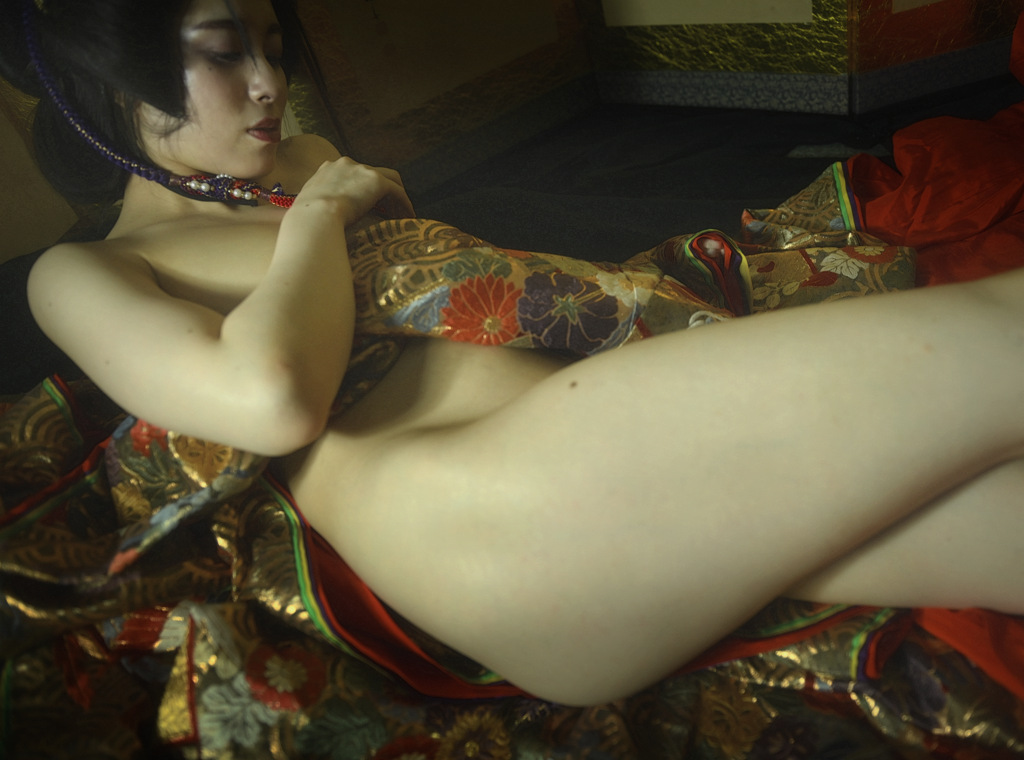
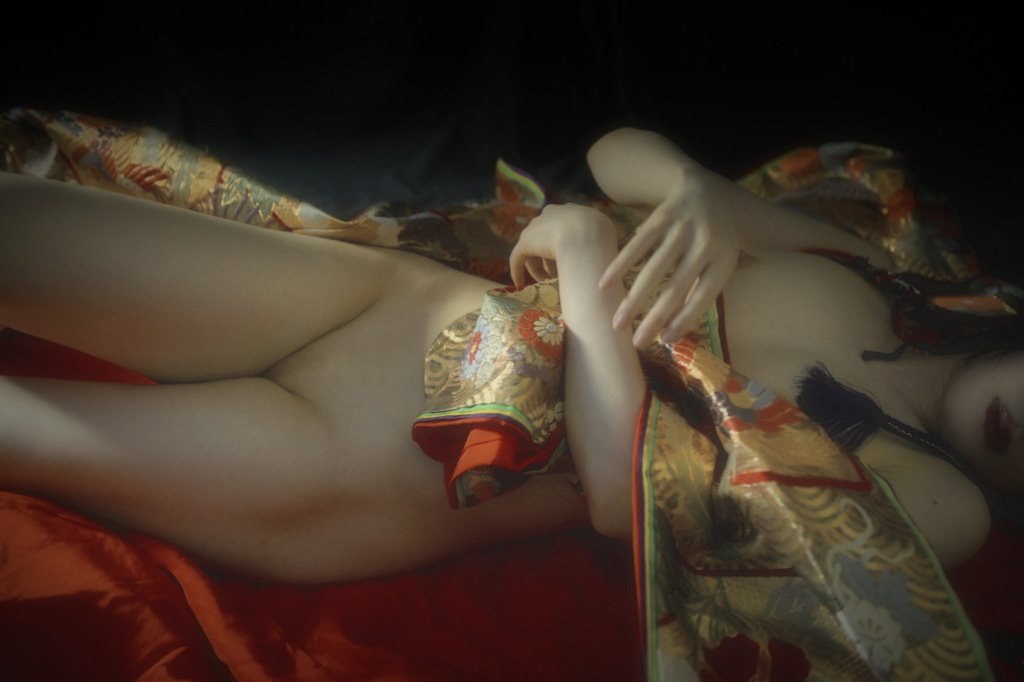
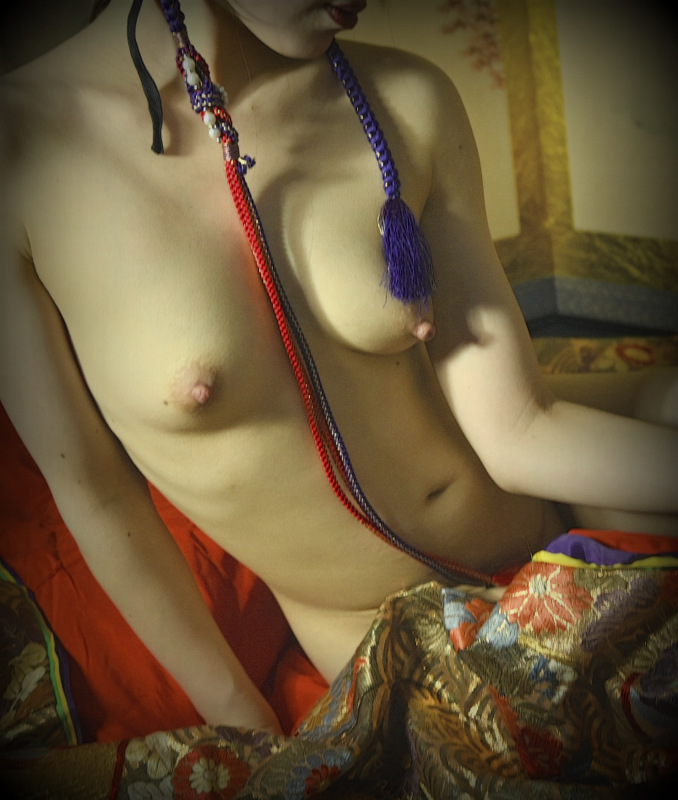
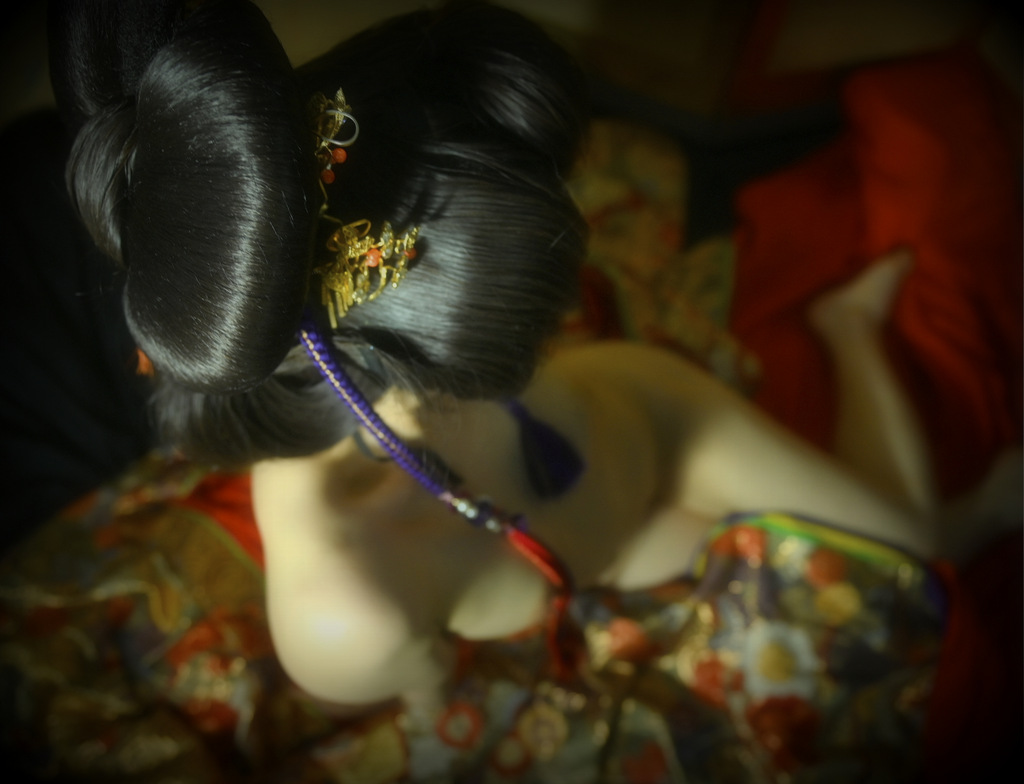
Oiran (花魁) was a specific category of high ranking courtesan in Japanese history. Divided into a number of ranks within this category, oiran were considered – both in social terms and in the entertainment they provided – to be above common prostitutes, known as yūjo (遊女, lit. ‘woman of pleasure’).[1] Though oiran by definition also engaged in prostitution, they were distinguished by their skills in the traditional arts, with the higher-ranking oiran having a degree of choice in which customers they took, and the highest-ranking oiran, known as tayū, not engaging in sex work at all.The term “oiran” originated in Yoshiwara, the red light district of Edo in the 1750s, and is applied to all ranks of high level courtesans in historical Japan.[3]
The services of oiran were well known for being exclusive and expensive, with oiran typically only entertaining the upper classes of society, gaining the nickname ‘keisei’ (lit., ‘castle toppler’) for their perceived ability to steal the hearts and match the wits of upper-class men. Many oiran became celebrities both inside and outside of the pleasure quarters, and were commonly depicted in ukiyo-e woodblock prints and in kabuki theatre plays. Oiran were expected to be well versed in the traditional arts of singing, classical dance and music, including the ability to play the kokyū and the koto, and were also expected to converse with clients in upper class and formalised language.
Though regarded as trend setting and fashionable women at the historic height of their profession, this reputation was later usurped in the late 18th through 19th centuries by geisha, who became popular among the merchant classes for their simplified clothing, ability to play short, modern songs known as kouta on the shamisen, and their more fashionable expressions of contemporary womanhood and companionship for men,[4] which mirrored the tastes of the extremely wealthy, but lower class merchants, who constituted the majority of their patronage.
The popularity and numbers of oiran continued to decline steadily throughout the 19th century, before prostitution was outlawed in Japan in 1957. However, the tayū remaining in Kyoto‘s Shimabara district were allowed to continue practising the cultural and performing arts traditions of their profession, and were declared a “special variety” of geisha.[5] In the present day, a handful of tayū reenactors, who do not engage in prostitution as part of their reenactment role, continue to perform in Kyoto, alongside a number of oiran reenactors elsewhere in Japan who perform in reenactments of the courtesan parades known as oiran dōchū. …. description based on Wikipedia
・・
Etymology
The word “oiran” comes from the Japanese phrase “oira no tokoro no nēsan” (おいらの所の姉さん) which translates loosely to “the lass at our (my) place.” When written in kanji, the word consists of two characters: “花” meaning “flower”, and “魁” meaning “leader” or “first.” Though only the highest ranking prostitutes of Yoshiwara were technically known as oiran, the term is now widely applied to all. …. description based on Wikipedia
































































 被写体を希望する方々へ