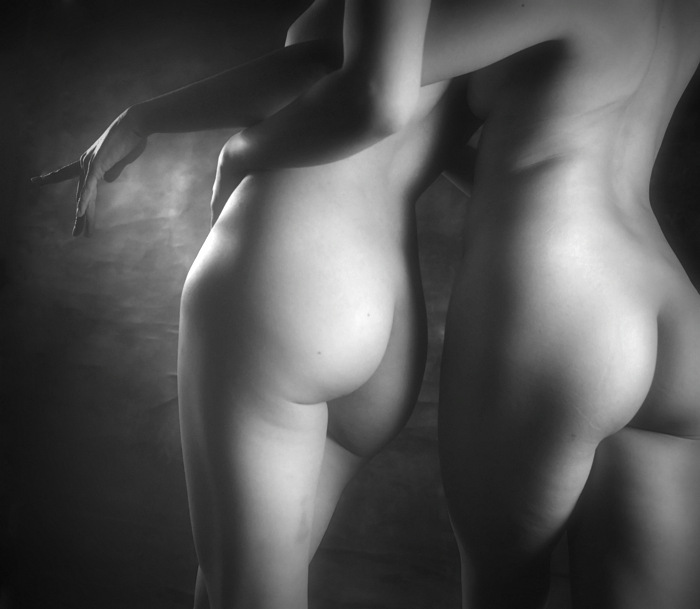
I was invited to the Beijing International Photo Festival in 2016. Because I had gained a certain level of visibility within the EU, I suppose I had “strategic value” for them—the people at the core of the Chinese establishment. For the exhibition, I prepared ten B1-size prints, and additionally around twenty B2-size prints intended as gifts for important figures.
During my stay, I was repeatedly invited to dinners with people who appeared to be the heads of intelligence agencies—men with an unsettling presence—the mayor of Beijing, the chief of police of the Inner Mongolia Autonomous Region, and others who seemed to be powerful figures from the business world. Throughout this time, the scale of the hospitality was overwhelming. I was lodged in what felt like a castle, riddled with labyrinthine corridors.
As for myself, I was merely a photographer who was somewhat known in the EU but completely unknown in Japan (apparently, they assumed I was also famous there). Even so, this level of hospitality continued day after day. On the final night, I encountered what, in retrospect, was clearly a honey trap.
A charming female graduate student who had been assigned to me as an interpreter escorted me to my room, as if reluctant to say goodbye. Under ordinary circumstances, it might be considered polite to invite her inside, but I declined. Intuitively, I sensed that hidden cameras were likely installed everywhere.
I was able to stop myself because I do not drink alcohol. Had I been drinking, I probably would not be able to write an account like this today. Ninety-nine out of a hundred people would fall into such a trap, become pro-China or submissively aligned with China, and eventually be forced into a relationship of dependency and subjugation.

 人体描写のためのアートリファレンス
Wild.
いいねいいね