Introduction
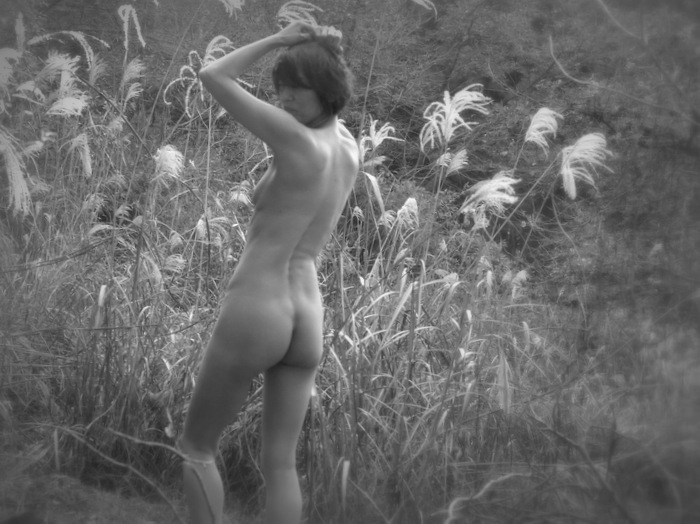
The perception of nature and nudity has been deeply influenced by cultural contexts throughout history. Japan, with its rich traditions, offers a unique lens through which we can examine these themes, especially when contrasted with Western interpretations. This essay explores the differences in how nature and nudity are perceived in Japanese traditional culture versus Western culture, shedding light on the underlying philosophical, artistic, and societal distinctions.
Japanese Traditional Culture: Harmony with Nature
Shinto and Nature
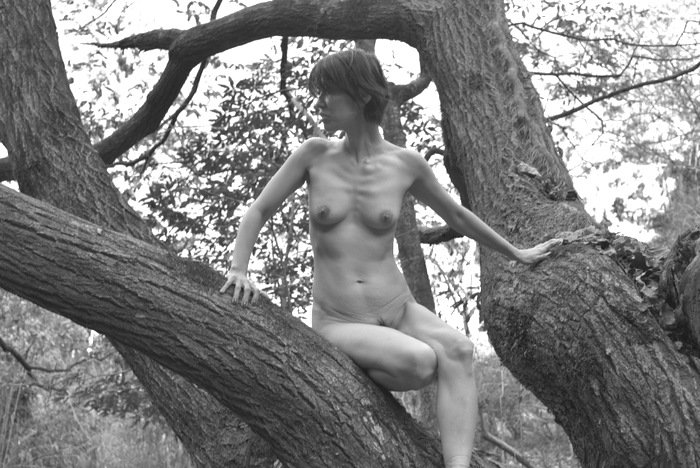
In Japanese traditional culture, nature holds a sacred place. Shinto, the indigenous religion of Japan, venerates natural elements as manifestations of kami (spirits or gods). Mountains, rivers, trees, and stones are considered sacred and are often enshrined. This reverence for nature fosters a deep sense of harmony between humans and their environment. The Shinto belief system encourages an appreciation for the natural world, viewing it as an integral part of human existence rather than something to be dominated or exploited.
Aesthetics and Nature in Art
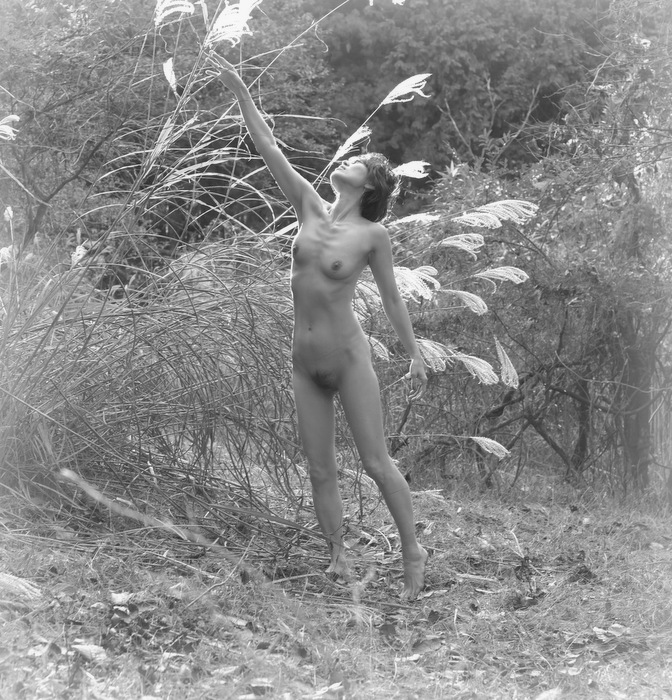
Japanese art, particularly during the Edo period, reflects this harmonious relationship with nature. Ukiyo-e prints, with their intricate depictions of landscapes and seasonal changes, celebrate the beauty and transience of the natural world. Artists like Katsushika Hokusai and Utagawa Hiroshige captured the essence of nature in their works, emphasizing the interconnectedness of all living things. This artistic tradition underscores the cultural value placed on observing and respecting the natural environment.
Nudity in Traditional Japanese Culture
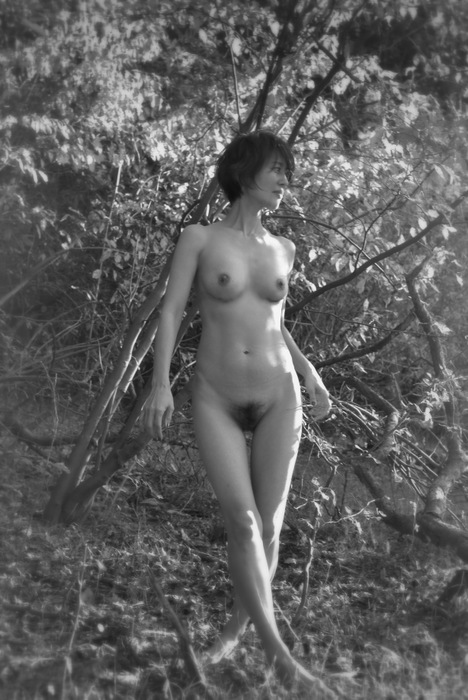
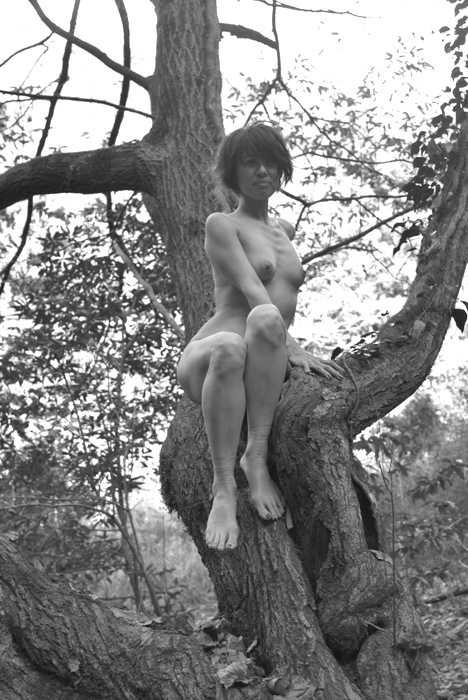
Nudity in Japanese culture, particularly in historical contexts, was often associated with purity and naturalness rather than shame or eroticism. Public baths (onsen and sento) are a prime example of this cultural attitude. These communal baths have been a part of Japanese life for centuries, promoting cleanliness, relaxation, and social interaction. In this context, nudity is seen as a natural state, free from the sexual connotations often attached to it in Western cultures.
Western Interpretations: Dominance and Duality
Nature in Western Philosophy and Art
Western culture, influenced by Judeo-Christian values and Enlightenment thinking, has often approached nature with a sense of duality and dominance. The Biblical notion of human dominion over nature contrasts sharply with the Shinto reverence for natural elements. This perspective has led to the exploitation and manipulation of the natural world in the name of progress and development.
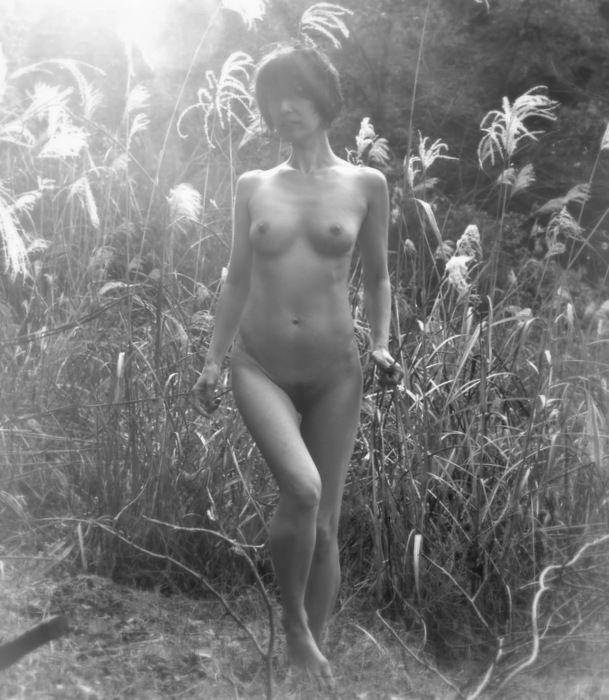
In Western art, nature has been both idealized and controlled. The Romantic movement, for example, portrayed nature as sublime and powerful, yet often depicted it as something to be tamed or transcended by human will. This dualistic view creates a separation between humans and the natural world, fostering a sense of alienation rather than harmony.

Nudity in Western Art and Society
Nudity in Western culture carries complex connotations, influenced by religious, social, and artistic factors. The Christian tradition, with its emphasis on modesty and the sinful nature of the human body, has historically associated nudity with shame and moral transgression. This has been reflected in societal attitudes and laws governing public decency.
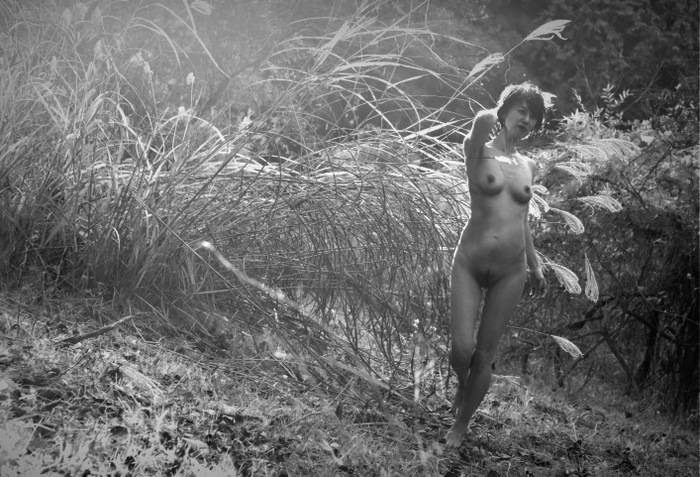
However, Western art has also celebrated the human form, particularly in classical and Renaissance periods. Artists like Michelangelo and Titian explored the beauty and expressiveness of the nude body, often drawing on Greco-Roman ideals of physical perfection and humanism. Yet, even in these contexts, nudity was frequently imbued with a sense of eroticism or moral allegory, differentiating it from the more neutral or naturalistic views found in Japanese culture.
Comparative Analysis
Philosophical Differences
The philosophical underpinnings of nature and nudity in Japanese and Western cultures reveal significant differences. In Japan, the concept of “mono no aware” (the awareness of the impermanence of things) shapes a deep appreciation for the transient beauty of nature. This sensitivity to the fleeting nature of life fosters a harmonious relationship with the environment and a more accepting view of the human body as part of this natural cycle.
In contrast, Western philosophy has often emphasized the separation of mind and body, human and nature. This Cartesian dualism has influenced Western attitudes toward the natural world and the human form, promoting a mindset of control and objectification rather than integration and acceptance.
Artistic Expressions
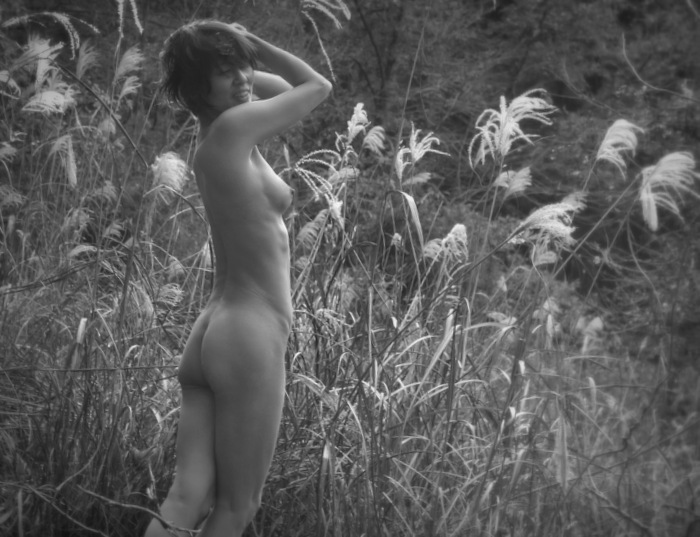
Artistic expressions of nature and nudity further illustrate these cultural distinctions. Japanese art, with its emphasis on subtlety, simplicity, and the natural world, contrasts with Western art’s grandiose and often idealized representations. The restrained elegance of Japanese aesthetics, seen in practices like ikebana (flower arranging) and tea ceremonies, highlights a deep respect for natural forms and processes.
Western art, by contrast, has frequently sought to capture and idealize nature and the human body, reflecting a desire to impose human vision and mastery over the natural world. This difference in artistic approach underscores broader cultural attitudes toward nature and nudity, revealing divergent worldviews and values.
Conclusion
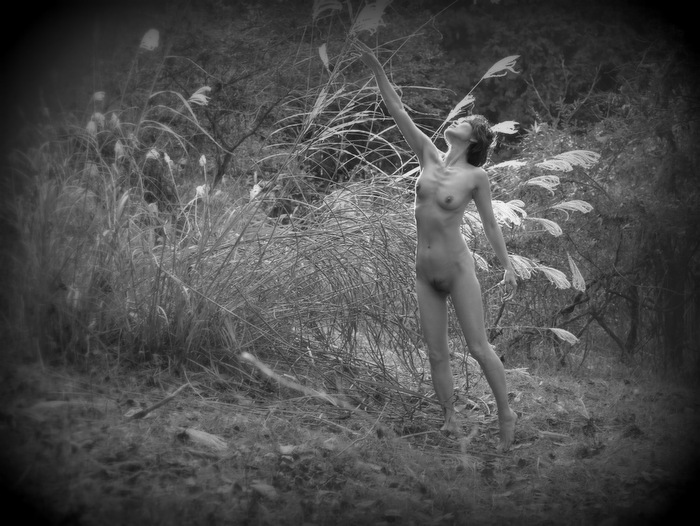
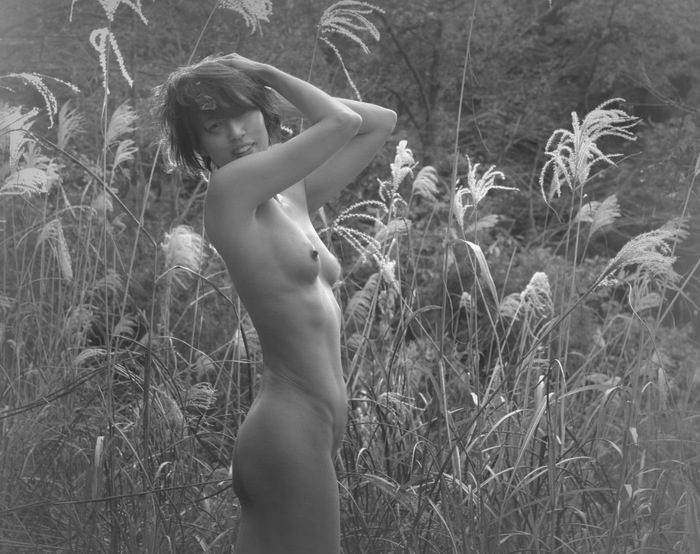
The contrasting perceptions of nature and nudity in Japanese traditional culture and Western interpretations highlight fundamental differences in worldview and philosophy. Japan’s harmonious relationship with nature and its naturalistic view of the human body stand in stark contrast to the Western emphasis on control, duality, and moralization. Understanding these cultural distinctions allows for a deeper appreciation of the diverse ways in which humanity relates to the natural world and to itself. Through this exploration, we gain insights into the rich tapestry of human experience, shaped by the unique cultural lenses through which we view nature and nudity.
The Psychological Connection between Nature and Well-being

 被写体を希望する方々へ