
Introduction
Photographers often choose specific conditions to create a particular mood or effect in their images. “Backlighting on a winter evening” is one such condition that might seem counterintuitive at first glance. However, it offers unique qualities that can greatly enhance the visual and emotional impact of photographs. This essay explores the reasons why a photographer might choose to shoot images in backlighting during a winter evening, considering technical, aesthetic, and emotional perspectives.
The Technical Advantages of Backlighting
Enhancing Textures and Details
Backlighting can significantly enhance textures and details in a photograph. During winter, the low angle of the sun creates long shadows and accentuates the textures of surfaces like snow, ice, and barren trees. This can add a sense of depth and dimension to the images, making them more visually interesting and engaging. The interplay of light and shadow can reveal intricate details that might be lost in more direct lighting conditions.

Creating a Halo Effect
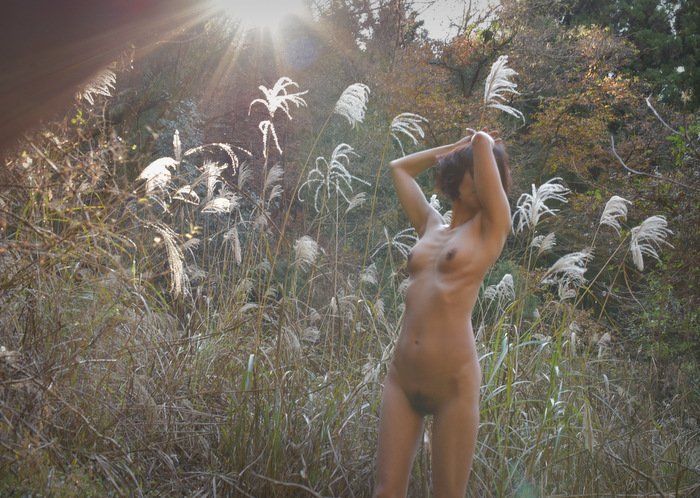
Backlighting can produce a striking halo effect around subjects, particularly when there is moisture in the air or reflective surfaces like snow. This halo effect can add a magical or ethereal quality to the images, emphasizing the subject and creating a sense of separation from the background. In winter, the cold air often contains particles of ice or snow, which can catch the light and enhance this effect, adding a touch of enchantment to the scene.

Controlling Exposure and Contrast
Photographers can use backlighting to control exposure and contrast creatively. By positioning the light source behind the subject, they can create silhouettes or semi-silhouettes, adding a dramatic or mysterious element to the image. This technique can be particularly effective in winter, where the stark contrasts between light and dark elements can be more pronounced. The subdued, diffused light of a winter evening can also help to reduce harsh contrasts and create a more balanced exposure.
Aesthetic Considerations
Mood and Atmosphere
The mood and atmosphere created by backlighting in a winter evening setting can be unique and compelling. The low, golden light of the setting sun can imbue the scene with warmth and nostalgia, contrasting with the coldness of the environment. This interplay between warmth and cold can evoke a range of emotions, from melancholy to serenity. The backlighting can also enhance the sense of stillness and quiet that often accompanies winter evenings, creating a tranquil and contemplative mood.

Emphasizing Color and Tone
Winter evenings are characterized by subtle and delicate color palettes, with soft blues, pinks, and purples dominating the sky. Backlighting can enhance these colors, creating a gentle gradient of hues that can add depth and richness to the image. The backlit glow can also highlight the translucence of ice and snow, making them appear to glow from within. This use of color and tone can elevate the aesthetic quality of the photograph, making it more visually appealing and emotionally resonant.

Creating a Timeless Quality
The use of backlighting in winter evening photography can create a timeless quality. The soft, diffused light and the serene, often barren landscapes can evoke a sense of timelessness and permanence. This can be particularly powerful in creating images that feel enduring and universal, capturing moments that seem to transcend the passage of time. This timeless quality can make the photographs more impactful and memorable, resonating deeply with viewers.
Emotional and Psychological Impact
Evoking a Sense of Wonder and Awe
Photographs taken in backlighting during winter evenings can evoke a strong sense of wonder and awe. The combination of the ethereal light, the beauty of the natural environment, and the unique qualities of the winter season can create images that inspire and captivate. This sense of wonder can be particularly pronounced in winter, where the stark contrasts and delicate beauty of the landscape can feel almost otherworldly. The backlighting can enhance this effect, making the images feel magical and extraordinary.
Conveying Isolation and Solitude
Winter evenings, with their early darkness and often desolate landscapes, can convey feelings of isolation and solitude. Backlighting can accentuate these emotions by casting long shadows and creating a sense of distance and separation. This can be used effectively to create powerful and evocative images that resonate with viewers on an emotional level. The sense of solitude can also be contrasted with the warmth of the backlit glow, creating a dynamic interplay of emotions.
Highlighting Human Connection with Nature
Photographers can use backlighting in winter evening settings to highlight the human connection with nature. The soft, glowing light can create a sense of harmony and unity between the subject and the natural environment. This can be particularly effective in conveying themes of introspection, contemplation, and connection with the natural world. The serene and tranquil atmosphere of a winter evening can enhance these themes, making the images feel intimate and profound.

Conclusion
Shooting photographs in backlighting during a winter evening offers a wealth of technical, aesthetic, and emotional advantages. The unique qualities of light and shadow, the enhancement of textures and details, and the creation of a magical or ethereal atmosphere can make these images particularly compelling. From a psychological perspective, the sense of wonder, solitude, and connection with nature that these images can evoke makes them deeply resonant and impactful. Understanding these reasons helps to appreciate the artistry and intention behind choosing such conditions for photography, revealing the depth and complexity of this creative choice.

 被写体を希望する方々へ