Introduction
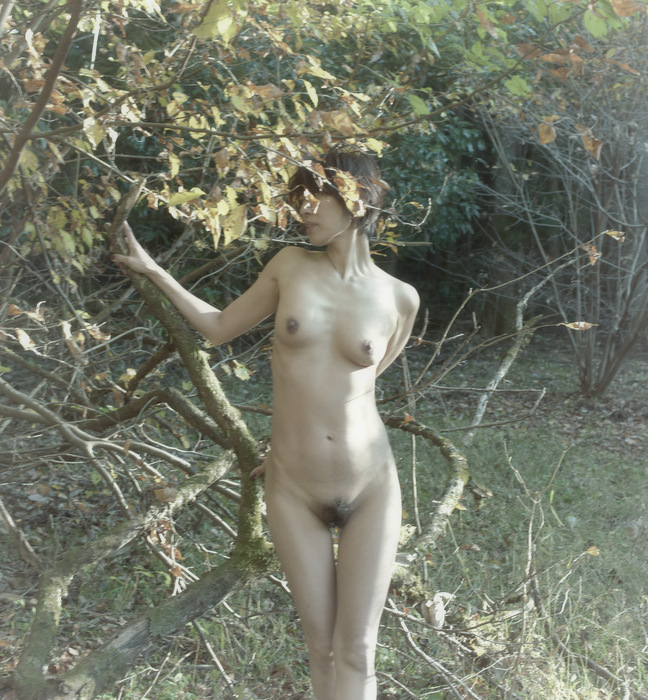
Nude photography in nature has garnered interest and appreciation across various cultures and artistic circles. This form of expression, blending the human form with the natural environment, often evokes a sense of freedom and liberation. But why does nature provide such a profound sense of openness and release, particularly when combined with nudity? This essay delves into the psychological perspectives that explain why being nude in nature can elicit feelings of liberation and emotional well-being.
The Psychological Connection between Nature and Well-being
Biophilia Hypothesis
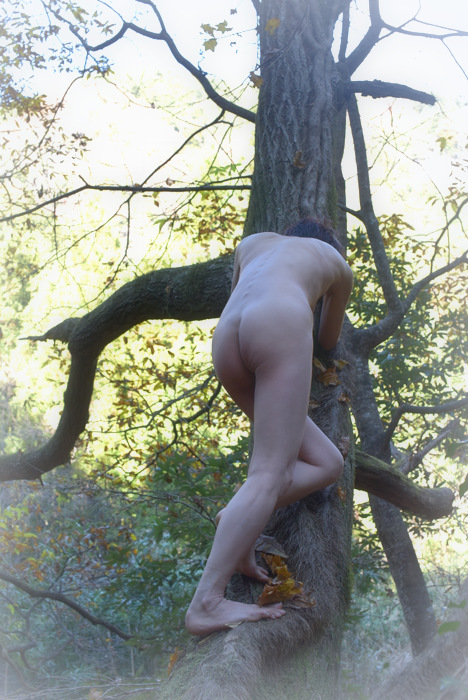
The biophilia hypothesis, proposed by Edward O. Wilson, suggests that humans have an innate affinity for nature. This connection is believed to be evolutionary, stemming from our ancestors’ reliance on natural environments for survival. Exposure to natural settings can reduce stress, improve mood, and enhance cognitive functioning. This psychological bond with nature creates a sense of belonging and peace when we immerse ourselves in natural environments.

Stress Reduction Theory
Stress Reduction Theory, developed by environmental psychologist Roger Ulrich, posits that natural environments promote recovery from stress. Natural settings with elements like water, greenery, and open spaces can lower levels of cortisol, the stress hormone, and promote relaxation. When individuals experience these calming effects while nude, the sense of openness and vulnerability can enhance the stress-reducing benefits, leading to a heightened feeling of liberation.
Attention Restoration Theory
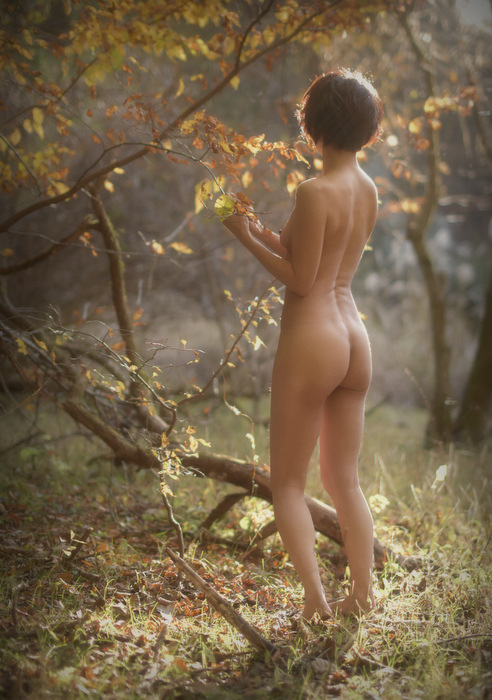
Attention Restoration Theory, introduced by Rachel and Stephen Kaplan, suggests that natural environments restore our cognitive resources depleted by the demands of modern life. Nature provides “soft fascinations” — stimuli that gently engage our attention without overwhelming us. This restorative effect helps rejuvenate our mental faculties. When combined with nudity, the sensory richness of nature can amplify this restorative experience, offering a profound sense of mental clarity and freedom.
Nudity and Psychological Liberation
Body Positivity and Acceptance
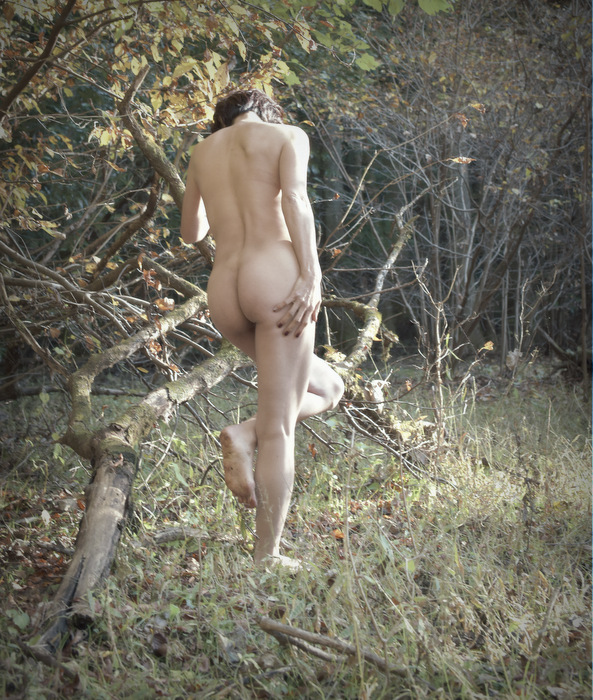
Nudity in nature can foster body positivity and acceptance. Modern society often imposes unrealistic beauty standards, leading to body image issues and self-esteem problems. Being nude in a natural setting, away from societal judgments, allows individuals to reconnect with their bodies in a non-critical way. This acceptance can be liberating, promoting a healthier self-image and a sense of empowerment.
Vulnerability and Authenticity
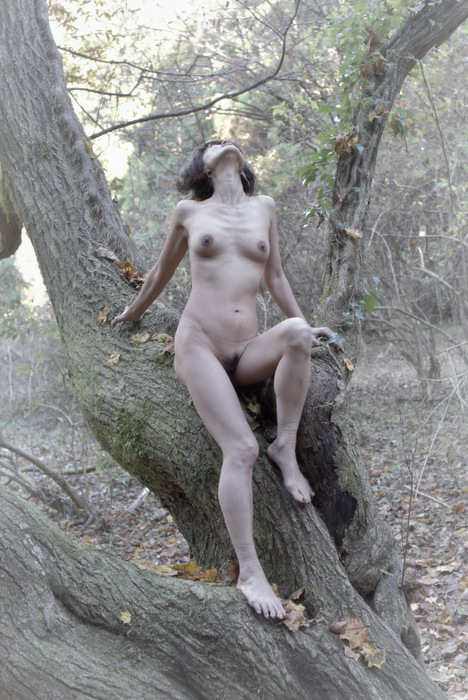
Nudity inherently involves a level of vulnerability. In nature, this vulnerability is juxtaposed with the safety and tranquility of the environment. This combination can foster a sense of authenticity, as individuals shed societal masks and connect with their true selves. The raw, unfiltered experience of being nude in nature can lead to profound emotional and psychological release, enhancing feelings of freedom and self-awareness.
Mindfulness and Sensory Engagement
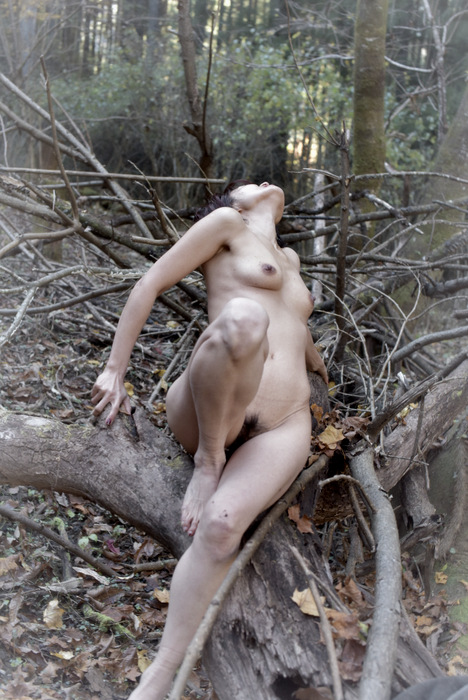
Nudity in nature enhances sensory engagement and mindfulness. Without the barrier of clothing, individuals can fully experience the tactile sensations of the natural world — the warmth of the sun, the texture of the earth, the coolness of water. This heightened sensory awareness promotes mindfulness, grounding individuals in the present moment and fostering a deep sense of connection with their surroundings. This mindful immersion contributes to the overall sense of liberation.
The Role of Social and Cultural Context
Cultural Attitudes toward Nudity
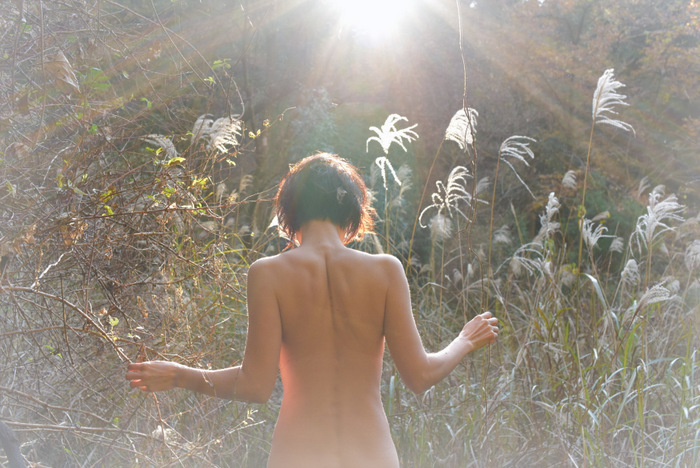
Cultural attitudes toward nudity significantly influence the psychological impact of being nude in nature. In cultures where nudity is more accepted and normalized, individuals may feel a greater sense of freedom and less anxiety about being nude. Conversely, in cultures with more restrictive views on nudity, the act of being nude in nature may carry a rebellious or liberating connotation, enhancing the sense of release and freedom.
The Impact of Social Norms
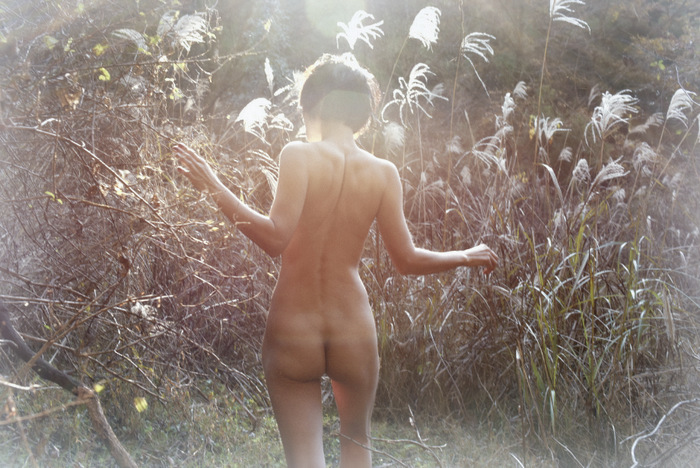
Social norms play a crucial role in shaping our experiences of nudity. In private or secluded natural settings, the absence of societal scrutiny allows individuals to break free from social norms and expectations. This freedom from judgment creates a safe space for self-expression and exploration, leading to heightened feelings of liberation. The contrast between the restrictive nature of social norms and the openness of the natural world amplifies the psychological benefits of nude experiences in nature.

Empirical Evidence and Case Studies
Studies on Nature and Well-being
Numerous studies have demonstrated the positive effects of nature on psychological well-being. Research indicates that spending time in natural environments can reduce symptoms of anxiety, depression, and PTSD. The combination of these benefits with the act of being nude can create a powerful therapeutic experience, as evidenced by anecdotal reports from individuals who practice naturism or engage in nude photography in nature.
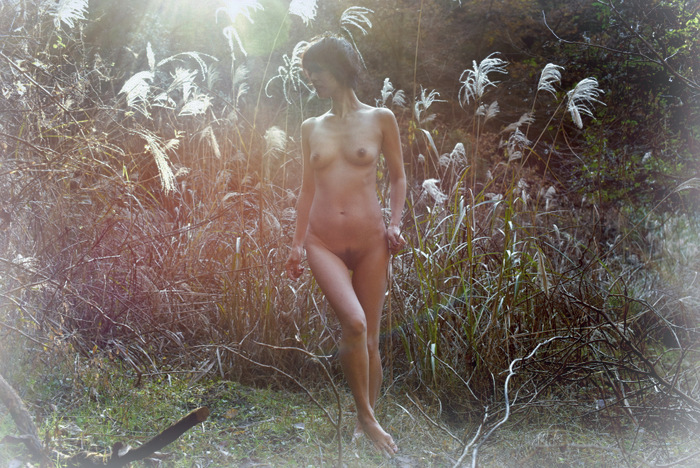
Case Studies of Nude Photography
Case studies of nude photography in nature highlight the transformative effects of this practice. Photographers and subjects often report feelings of liberation, increased self-confidence, and a deeper connection with nature. These experiences underscore the psychological benefits of combining nudity with natural settings, illustrating the profound impact on emotional and mental health.
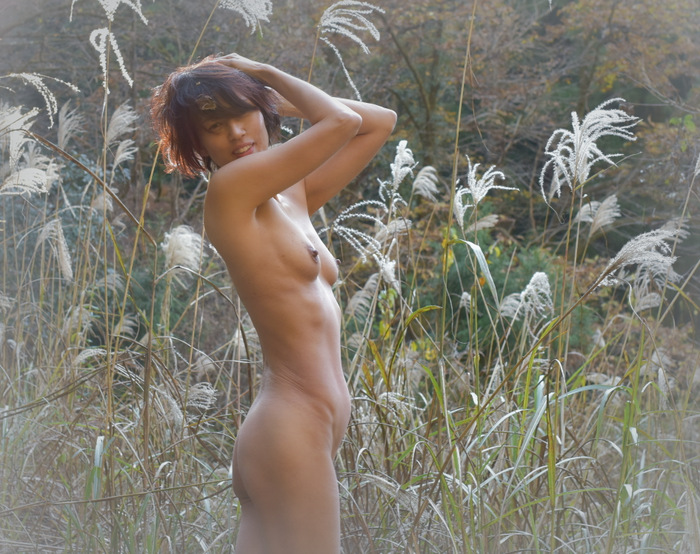
Conclusion
Nude photography in nature taps into deep-seated psychological mechanisms that promote well-being and liberation. The biophilia hypothesis, stress reduction theory, and attention restoration theory all underscore the intrinsic benefits of nature for our mental health. When combined with the vulnerability and authenticity of nudity, these benefits are amplified, leading to a profound sense of freedom and emotional release. Understanding these psychological dynamics enhances our appreciation of nude photography in nature and highlights its potential as a powerful tool for promoting mental and emotional well-being.
The Technical Advantages of Backlighting

 被写体を希望する方々へ