・
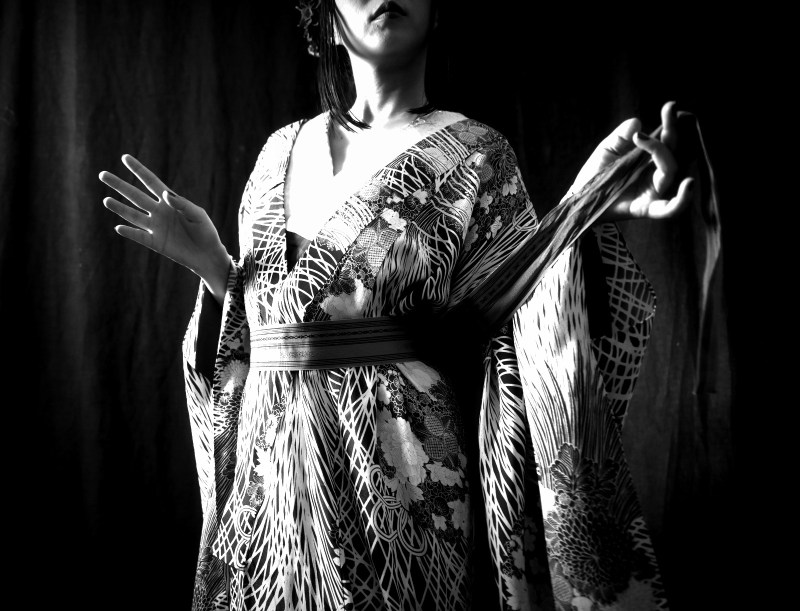
Monochrome photography, often referred to as black and white photography, holds a unique and timeless appeal that continues to captivate both photographers and viewers. This form of photography strips away the distractions of color, focusing attention on the essential elements of composition, light, shadow, texture, and form. By eliminating color, monochrome photography emphasizes the interplay between these elements, allowing for a more profound exploration of visual storytelling.
One of the most striking effects of monochrome photography is its ability to evoke emotions and create a mood. Without the influence of color, the viewer’s attention is drawn to the subtle nuances of light and shadow. This can create a sense of drama, mystery, or serenity, depending on the subject and the photographer’s intent. For example, a portrait in monochrome can convey a deeper sense of character and emotion, highlighting the lines and expressions on a subject’s face. The absence of color removes any potential distractions, allowing the viewer to connect more intimately with the subject.
Texture and detail also become more pronounced in monochrome photography. The play of light and shadow on various surfaces can reveal intricate patterns and details that might be overlooked in a color photograph. This is particularly effective in architectural photography, where the textures of building materials and the interplay of light on structures can create visually compelling images. Similarly, in nature photography, the textures of tree bark, leaves, and rocks can be accentuated, providing a richer and more immersive experience for the viewer.
Monochrome photography also enhances the sense of timelessness in an image. Color can often anchor a photograph to a specific time period, influenced by trends and cultural associations. In contrast, black and white images transcend these associations, offering a more timeless quality that can make the photograph feel both historical and contemporary. This timelessness allows the viewer to focus on the essence of the subject, creating a sense of universality and permanence.
Another significant effect of monochrome photography is its capacity for abstraction. By removing color, shapes and forms can take on a more abstract quality, encouraging viewers to see the world in a different way. This abstraction can lead to more creative compositions, as photographers experiment with angles, lines, and contrasts. For instance, shadows can become a central element of the composition, creating striking patterns and leading the viewer’s eye through the image.
In the realm of artistic expression, monochrome photography offers a unique palette for exploring themes and concepts. It can be used to emphasize simplicity and minimalism, reducing the visual elements to their most fundamental forms. This can result in powerful and thought-provoking images that challenge the viewer’s perceptions and interpretations. Additionally, the use of monochrome can enhance the narrative quality of a photograph, guiding the viewer to the core message or story being conveyed.

The technical aspects of monochrome photography also play a crucial role in its effectiveness. Mastery of exposure, contrast, and tonal range is essential for creating impactful black and white images. Photographers must pay close attention to the distribution of light and shadow, ensuring that the image retains a full range of tones from deep blacks to bright whites. This technical precision contributes to the overall aesthetic and emotional impact of the photograph.
In conclusion, monochrome photography offers a distinctive and powerful means of visual communication. Its ability to focus on light, shadow, texture, and form creates images that are emotionally evocative, timeless, and often abstract. By stripping away color, monochrome photography encourages viewers to engage with the core elements of an image, fostering a deeper appreciation for the art of photography. Whether capturing the intricacies of a portrait, the textures of nature, or the lines of architecture, monochrome photography continues to be a compelling and enduring medium for artistic expression.
Am2

 被写体を希望する方々へ