・
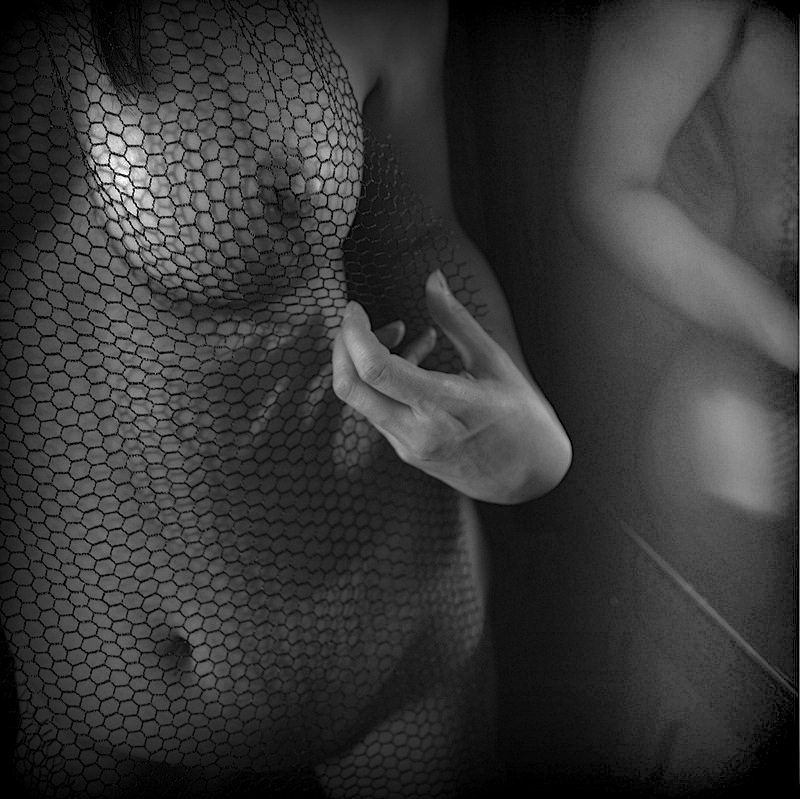
最も気に入ってる「作品」の中の一枚
・
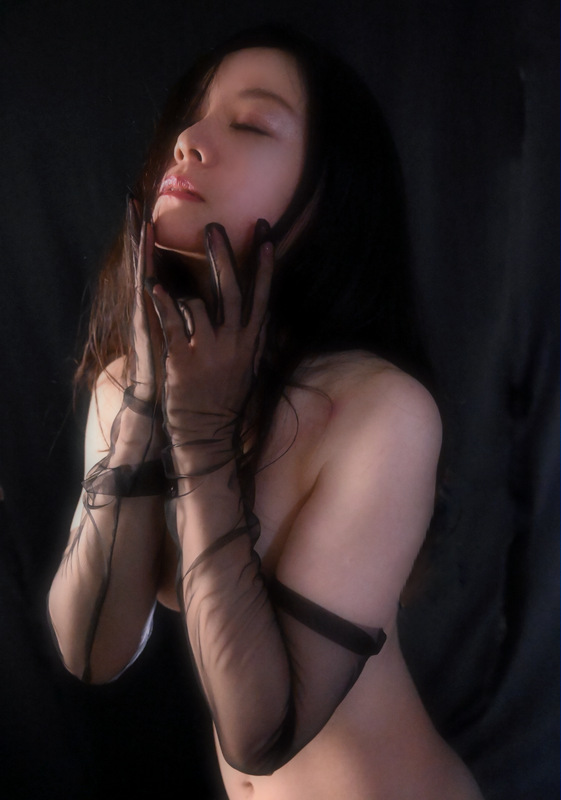
ゆるやかに過ぎゆく日々
過ぎし日々
やがて遠い記憶となり
わずかな風の音にさえ
その時の面影を映す
世の中の事象は
まるで薄墨の中に霞むよう
次第に色を失い、静かに消え去っていく。
けれど
この人生の最終章を迎えし今、
我が身のありようはいかに
心の安寧を保つべきか
その道 探し求める・・
・
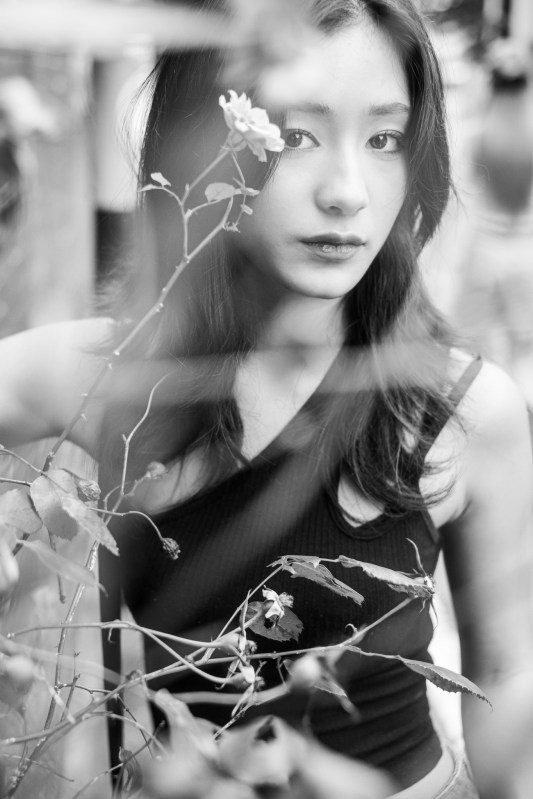
Photoa:T.Fukatsu
Introduction for a Japanese street photographer:
・
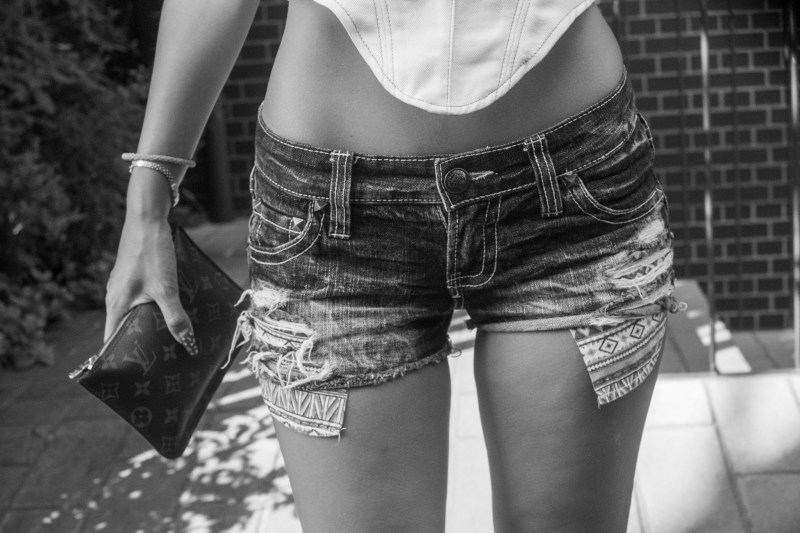
A Japanese street photographer of exceptional talent, their work stands out with a rare mastery of capturing the raw essence of urban life. Their photos reveal a deep understanding of spontaneity and nuance, showcasing an extraordinary ability to document the vibrant, unfiltered moments of the streets.
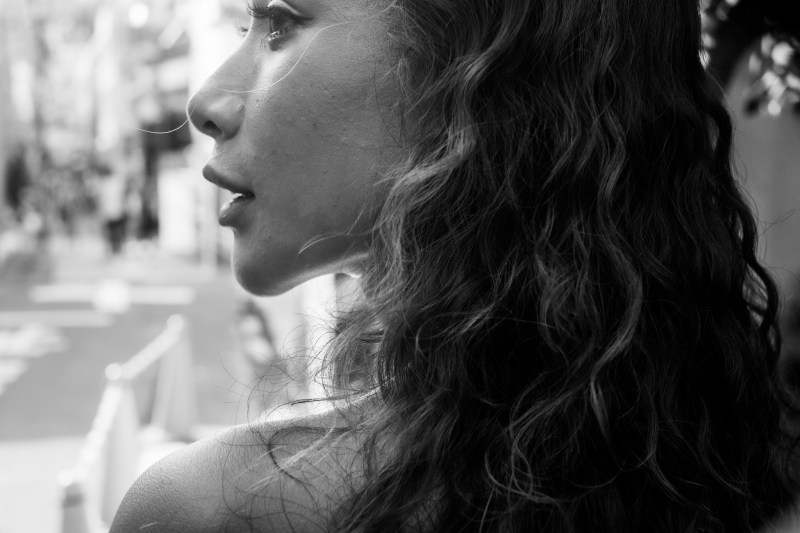
Portfolio – T. Fukatu Photography s
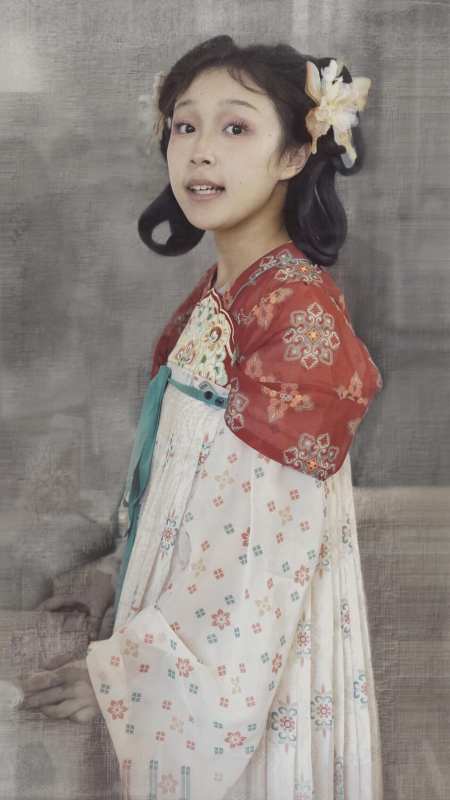
In the heart of Chengdu, a city renowned for its rich history and vibrant traditions, resides a photographer whose work transcends the ordinary and captures the essence of Chinese culture in a truly unique way. This artist’s portfolio is a testament to the seamless blend of historical depth and contemporary vision, creating a distinctive narrative that is both visually stunning and profoundly evocative.

・
Chengdu, often celebrated for its ancient temples, traditional teahouses, and the enigmatic beauty of the Sichuan countryside, provides an ideal backdrop for this photographer’s work. Through their lens, the city’s bustling streets and serene landscapes transform into a canvas where history and modernity coexist in harmony. The photographer’s images are not merely representations of Chengdu; they are an immersive experience into the soul of the city.
・
Their work is marked by a deep appreciation for China’s historical and cultural heritage. Each photograph tells a story, drawing from the rich tapestry of Chengdu’s past and its vibrant present. From the intricate details of traditional architecture to the candid moments of daily life, their images reveal a profound connection to the cultural fabric of the region. The photographer’s keen eye captures the subtle nuances of Chinese traditions, offering a window into the time-honored practices that continue to shape contemporary life.

・
One of the defining characteristics of this photographer’s style is their ability to evoke a sense of place. The images are imbued with a timeless quality, making the viewer feel as though they are stepping into a different era. This is achieved through a meticulous attention to detail and a mastery of composition, which together create a visual narrative that is both compelling and authentic.
The photographer’s work stands out not only for its artistic merit but also for its cultural significance. By focusing on themes and subjects that are deeply rooted in Chengdu’s history, they provide a fresh perspective on aspects of Chinese culture that might otherwise go unnoticed. Their images are a celebration of the city’s unique identity, highlighting the beauty and complexity of a place that has been a crossroads of history and tradition for centuries.
In essence, this Chengdu-based photographer offers more than just images; they offer a profound exploration of cultural heritage through the lens of modern photography. Their work is a celebration of Chengdu’s past and present, a visual ode to a city that remains a living testament to China’s rich history and enduring traditions.
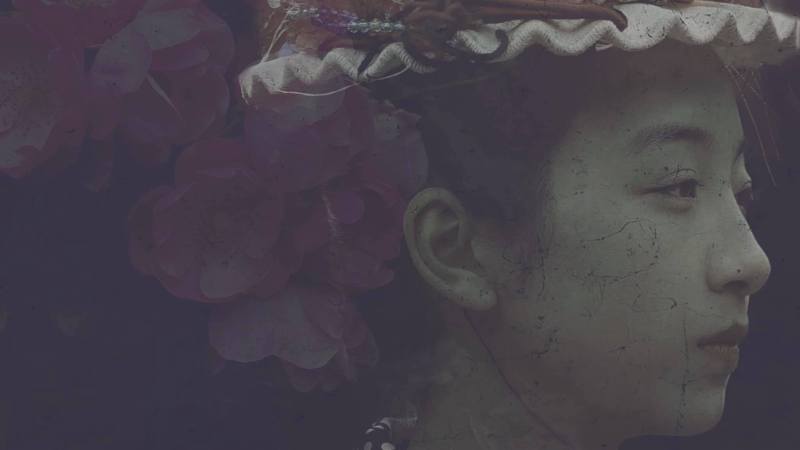
Web gallery – Sucong photography Loved people

・
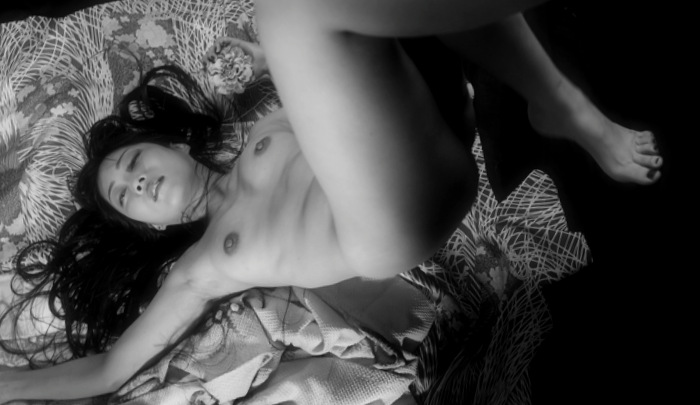
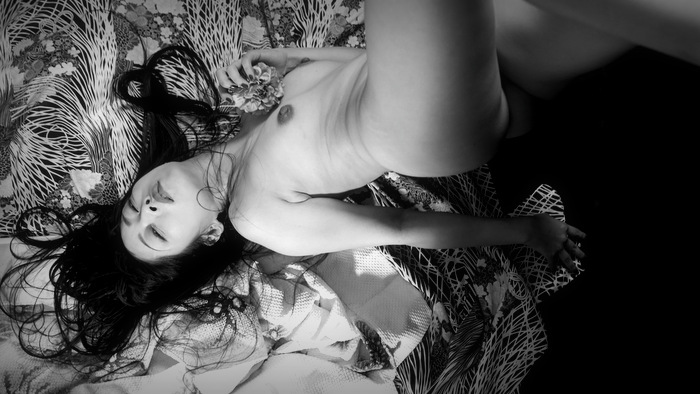
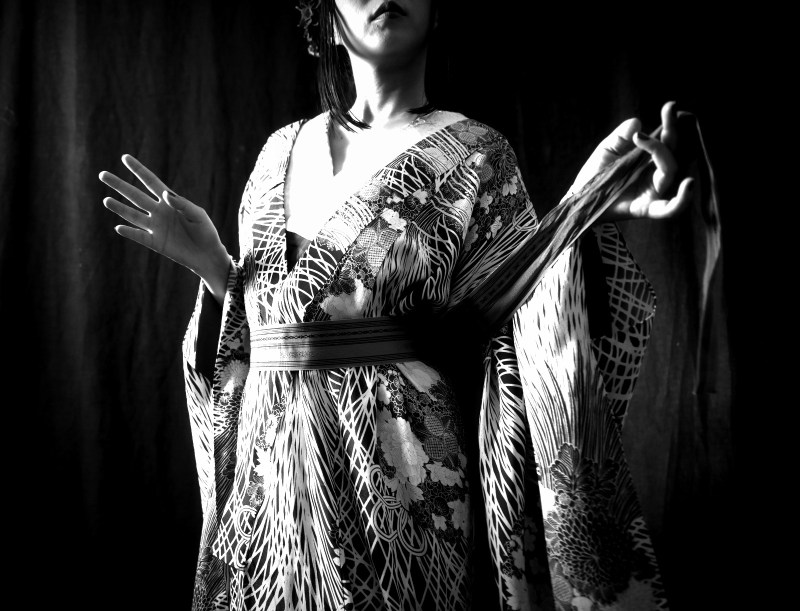
Monochrome photography, often synonymous with black and white photography, offers a unique and timeless approach to capturing the world. By stripping away color, monochrome images focus the viewer’s attention on the composition, contrast, texture, and light. This guide explores the joys and techniques of monochrome photography, from its aesthetic appeal to practical tips for creating stunning black-and-white images.
・
Techniques for Capturing Stunning Monochrome Images
・
Practical Tips for Creating Effective Monochrome Photos

・
Monochrome photography offers a rich and rewarding way to explore the art of visual storytelling. By focusing on light, contrast, and composition, you can create images that are both striking and timeless. Embrace the challenge of capturing the world in shades of gray, and you may discover a new dimension to your photographic practice. Whether you’re shooting portraits, landscapes, or abstract compositions, monochrome photography allows you to distill your subjects to their most essential elements, revealing the beauty and depth that might otherwise be overlooked.
・
Monochrome photography, often referred to as black and white photography, holds a unique and timeless appeal that continues to captivate both photographers and viewers. This form of photography strips away the distractions of color, focusing attention on the essential elements of composition, light, shadow, texture, and form. By eliminating color, monochrome photography emphasizes the interplay between these elements, allowing for a more profound exploration of visual storytelling.
One of the most striking effects of monochrome photography is its ability to evoke emotions and create a mood. Without the influence of color, the viewer’s attention is drawn to the subtle nuances of light and shadow. This can create a sense of drama, mystery, or serenity, depending on the subject and the photographer’s intent. For example, a portrait in monochrome can convey a deeper sense of character and emotion, highlighting the lines and expressions on a subject’s face. The absence of color removes any potential distractions, allowing the viewer to connect more intimately with the subject.
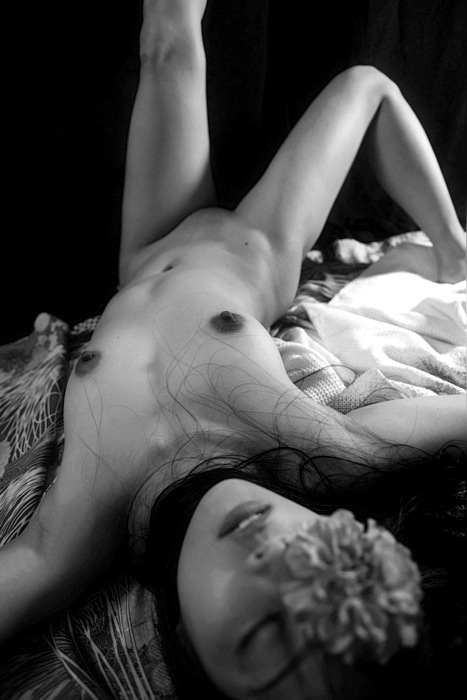
Texture and detail also become more pronounced in monochrome photography. The play of light and shadow on various surfaces can reveal intricate patterns and details that might be overlooked in a color photograph. This is particularly effective in architectural photography, where the textures of building materials and the interplay of light on structures can create visually compelling images. Similarly, in nature photography, the textures of tree bark, leaves, and rocks can be accentuated, providing a richer and more immersive experience for the viewer.
Monochrome photography also enhances the sense of timelessness in an image. Color can often anchor a photograph to a specific time period, influenced by trends and cultural associations. In contrast, black and white images transcend these associations, offering a more timeless quality that can make the photograph feel both historical and contemporary. This timelessness allows the viewer to focus on the essence of the subject, creating a sense of universality and permanence.
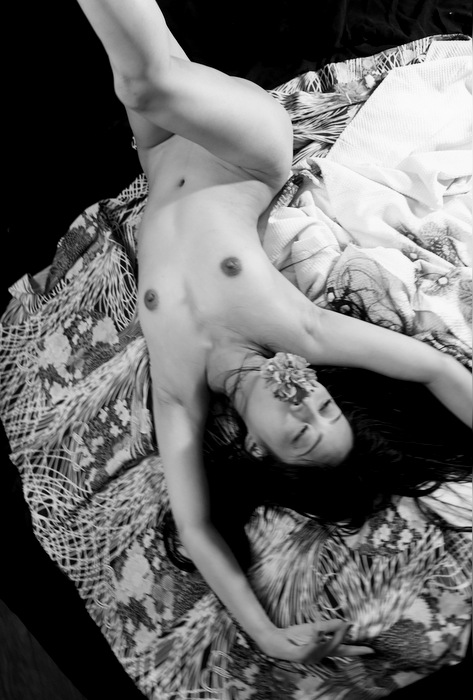
Another significant effect of monochrome photography is its capacity for abstraction. By removing color, shapes and forms can take on a more abstract quality, encouraging viewers to see the world in a different way. This abstraction can lead to more creative compositions, as photographers experiment with angles, lines, and contrasts. For instance, shadows can become a central element of the composition, creating striking patterns and leading the viewer’s eye through the image.
In the realm of artistic expression, monochrome photography offers a unique palette for exploring themes and concepts. It can be used to emphasize simplicity and minimalism, reducing the visual elements to their most fundamental forms. This can result in powerful and thought-provoking images that challenge the viewer’s perceptions and interpretations. Additionally, the use of monochrome can enhance the narrative quality of a photograph, guiding the viewer to the core message or story being conveyed.
The technical aspects of monochrome photography also play a crucial role in its effectiveness. Mastery of exposure, contrast, and tonal range is essential for creating impactful black and white images. Photographers must pay close attention to the distribution of light and shadow, ensuring that the image retains a full range of tones from deep blacks to bright whites. This technical precision contributes to the overall aesthetic and emotional impact of the photograph.
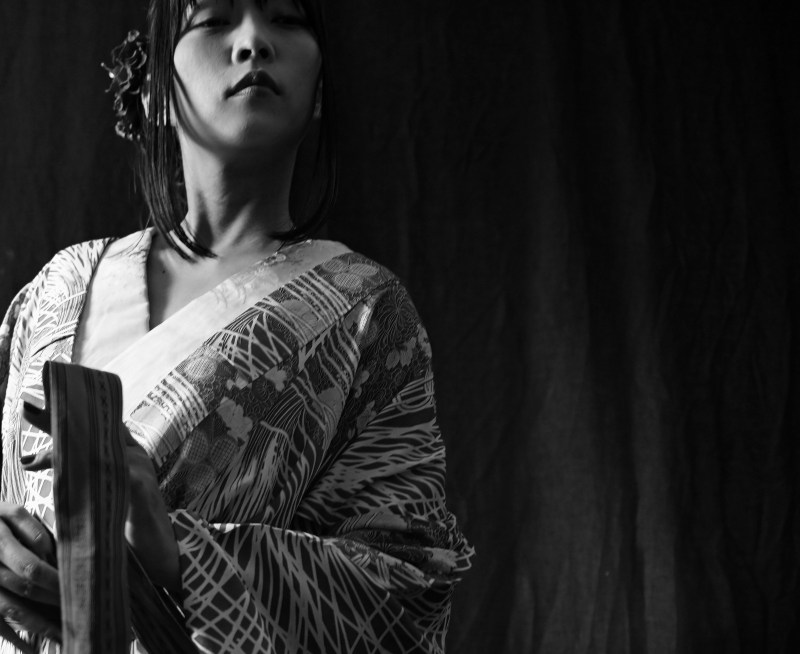
In conclusion, monochrome photography offers a distinctive and powerful means of visual communication. Its ability to focus on light, shadow, texture, and form creates images that are emotionally evocative, timeless, and often abstract. By stripping away color, monochrome photography encourages viewers to engage with the core elements of an image, fostering a deeper appreciation for the art of photography. Whether capturing the intricacies of a portrait, the textures of nature, or the lines of architecture, monochrome photography continues to be a compelling and enduring medium for artistic expression.
Am2
聴き取りにくいのですが、この国の民主主義を憂う・・内容ですね
民度は高いが、政治を司るものは最低ということ・・
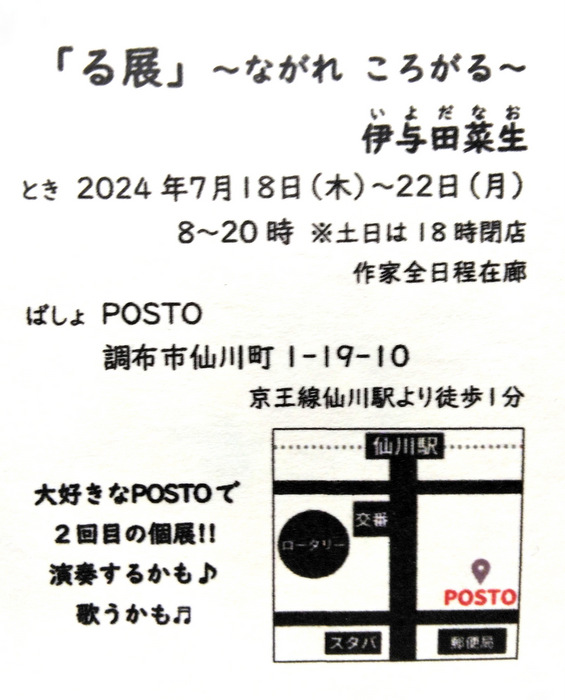
「る展」 ~ながれ ころがる~
伊与田菜生
調布市仙川町1-19-10
京王線仙川駅より徒歩10分 POSTO
・
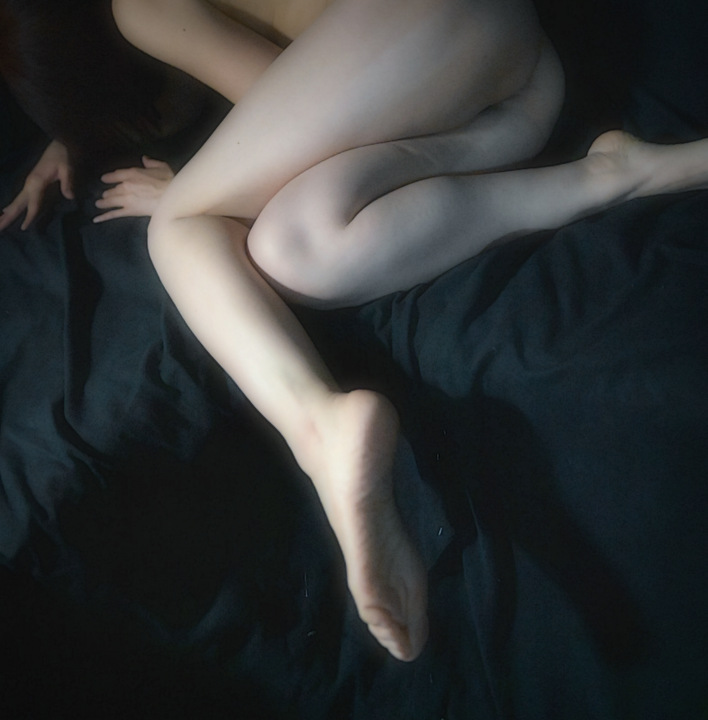
Artist-model : Yu
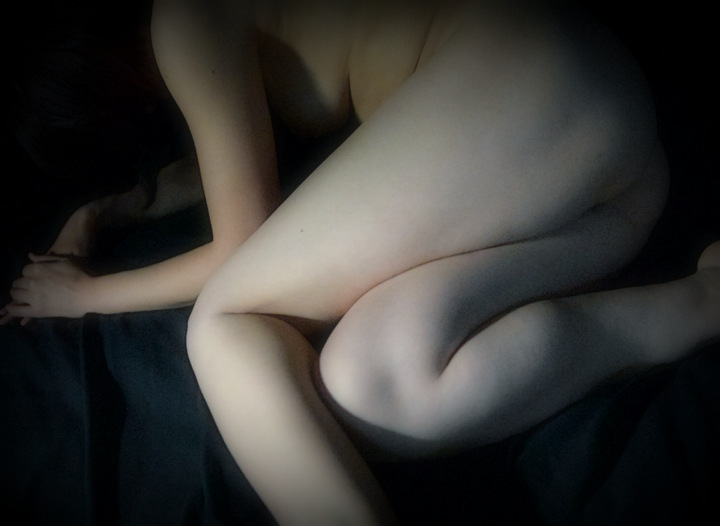
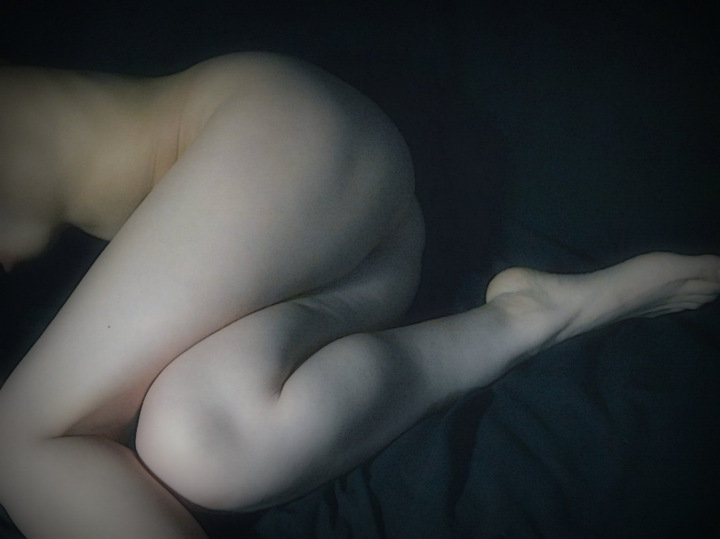
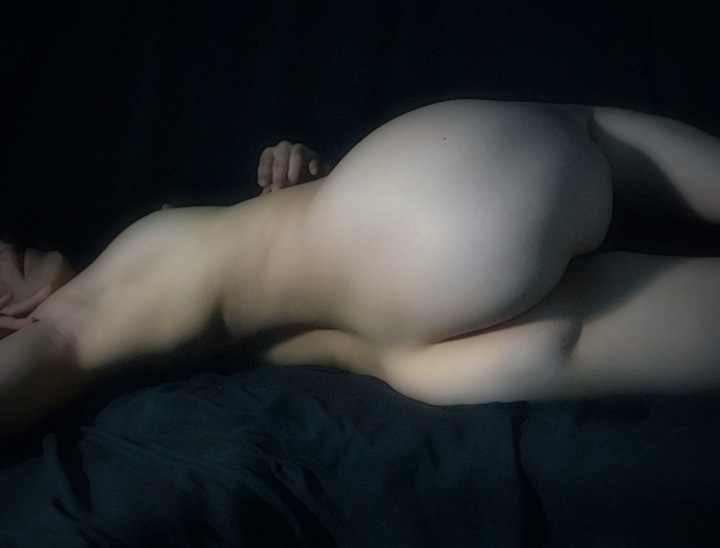
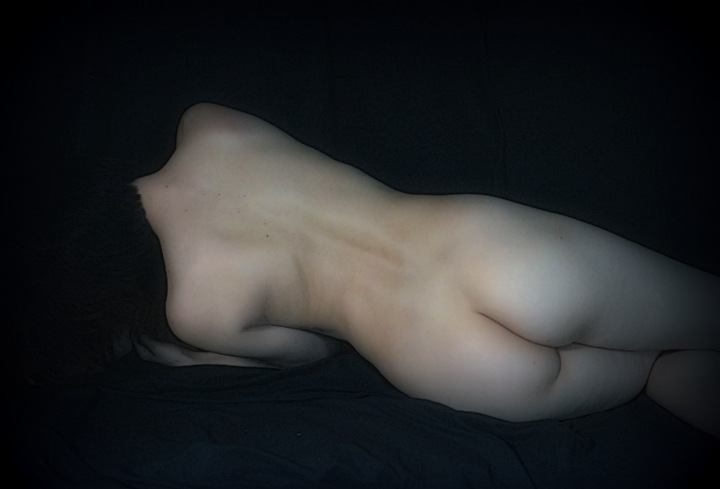
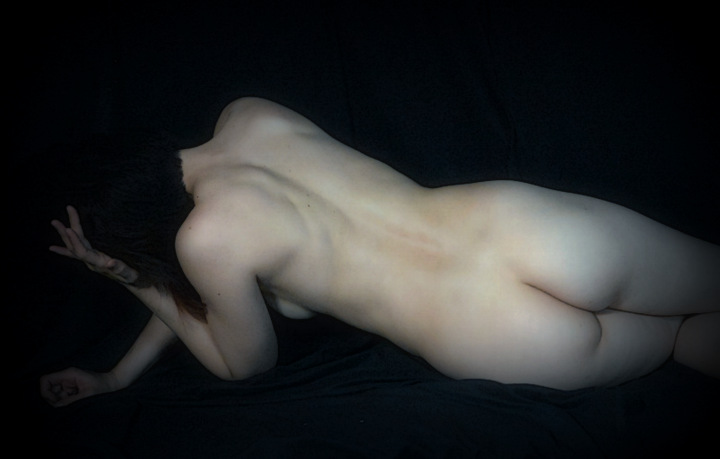
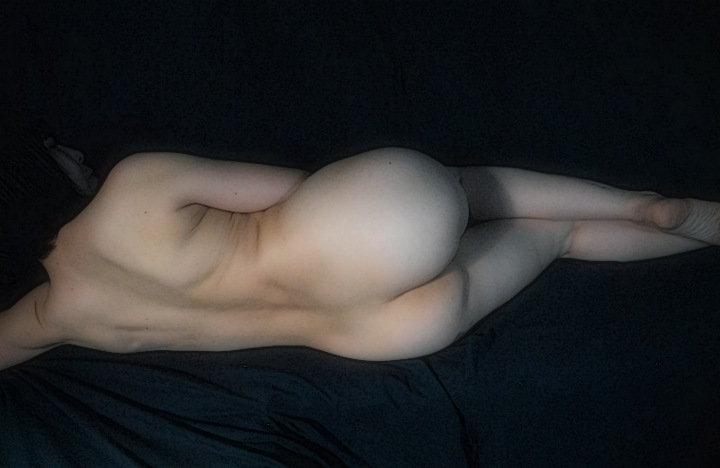
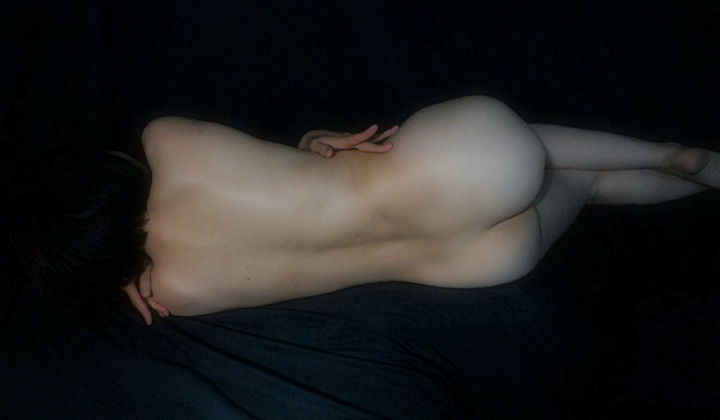
Capturing the Art of Nude Reclining Poses: Inspired by Impressionist Paintings
The art of photography, particularly nude photography, presents a unique and profound challenge to the artist. Unlike other genres, it demands a delicate balance between sensuality and artistry, between revealing the form and concealing the individual’s identity. When infused with the spirit of Impressionism, the challenge becomes even more exhilarating. Impressionist painting, known for its emphasis on light, color, and the momentary, ephemeral quality of scenes, provides a rich source of inspiration for creating nude reclining poses in photography. This essay explores how one might approach this task, drawing parallels between the two mediums and offering practical advice on technique, composition, and artistic vision.
Impressionism, emerging in the late 19th century with pioneers like Claude Monet, Pierre-Auguste Renoir, and Edgar Degas, sought to capture the “impression” of a moment. This movement was characterized by loose brushwork, vibrant colors, and a focus on the effects of light. Impressionists often painted en plein air (outdoors), striving to depict the changing qualities of light and atmosphere. This focus on light and momentary beauty is crucial when attempting to capture the essence of a nude reclining pose in a photograph.
・
One of the fundamental aspects of Impressionist art is the use of light to convey mood and depth. In photography, light is equally vital. To create an Impressionist-inspired nude reclining pose, the photographer should consider natural light sources. Early morning or late afternoon light, often referred to as “golden hour,” can imbue the scene with a warm, soft glow, much like the light depicted in many Impressionist paintings.
Natural light can be diffused through curtains or reflected off surfaces to soften shadows and highlight the contours of the body. This mimics the way Impressionist painters used light and shadow to give form to their subjects. Additionally, experimenting with light from different angles can create a variety of moods and emphasize different aspects of the human form.
The composition of a photograph is its backbone, much like the structure of a painting. In both mediums, the placement of the subject, the use of space, and the overall balance are crucial. When photographing a nude reclining pose, one should consider the principles of composition used by the Impressionists.
Impressionist artists often favored asymmetrical compositions, where the subject is off-center, creating a more dynamic and engaging image. This technique can be applied in photography by positioning the model slightly to one side, allowing space for the interplay of light and shadow. Furthermore, incorporating elements of the surrounding environment can add context and depth, much like the landscapes and interiors that often frame Impressionist subjects.
The pose itself should be natural and relaxed, echoing the casual, unposed appearance of many Impressionist figures. A reclining position, with limbs loosely arranged and body contours gently curved, can evoke a sense of serenity and intimacy. The photographer should encourage the model to shift slightly, adjusting to the light and finding comfortable, aesthetically pleasing angles.
・
・
Impressionist paintings are renowned for their vibrant, yet often soft and pastel color palettes. Translating this into photography involves careful consideration of the model’s skin tones, the background, and any props used. Neutral backgrounds can help the model’s form stand out, while colored backdrops or fabrics can introduce subtle hues reminiscent of Impressionist works.
Editing software can be employed to enhance the colors and create a more painterly effect. Adjusting the saturation and hue, applying filters that mimic the texture of brushstrokes, or even adding a slight blur can evoke the softness of an Impressionist painting. However, these effects should be used sparingly to avoid overpowering the natural beauty of the photograph.
A hallmark of Impressionism is the focus on capturing a fleeting moment. In nude photography, this translates to seizing the natural, spontaneous expressions and movements of the model. Continuous shooting mode can be beneficial, allowing the photographer to capture a sequence of movements and select the most evocative frame.
Encouraging the model to move slowly, shift positions, or change facial expressions can result in a series of images that convey a sense of time passing. This approach mirrors the Impressionist desire to depict life as it happens, with all its inherent beauty and imperfection.
・
・

・
Both photography and Impressionist painting seek to evoke emotion. In photographing a nude reclining pose, the emotional connection between the model, the photographer, and the viewer is paramount. The model’s comfort and confidence play a significant role in the final image. Establishing trust and open communication can help the model relax and express genuine emotions, whether it be serenity, vulnerability, or strength.
The photographer’s perspective and emotional state also influence the outcome. Approaching the shoot with a clear artistic vision and a sensitivity to the model’s emotions can result in a more authentic and powerful image. The goal is to create a photograph that resonates emotionally with the viewer, much like the best Impressionist paintings do.
Technical considerations are equally important in achieving an Impressionist-inspired nude photograph. Here are some practical tips:
・

・
・
Creating a nude reclining pose in photography that resonates with the spirit of Impressionist painting is a journey of artistic exploration. It requires a keen understanding of light, composition, color, and emotion. By drawing inspiration from the techniques and principles of Impressionism, photographers can capture images that are not only visually stunning but also deeply evocative.
In this endeavor, the photographer becomes a painter, using the camera as a brush to create a tableau that celebrates the beauty of the human form and the ephemeral quality of light and moment. It is a fusion of art and reality, where the lines between painting and photography blur, and where each image tells a story that is both timeless and immediate.
Model-Yu : Lying pose collection 2
 被写体を希望する方々へ