People take and pose for nude photographs for various reasons, both personal and artistic. Here are some of the key motivations:
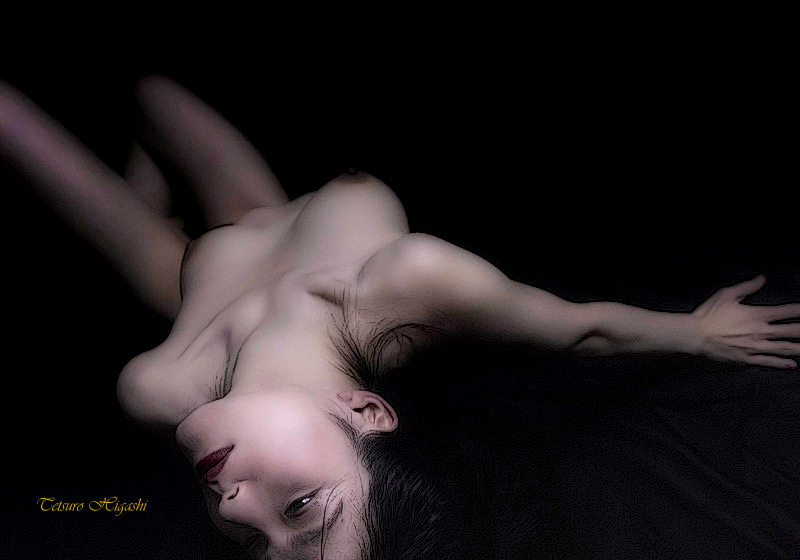
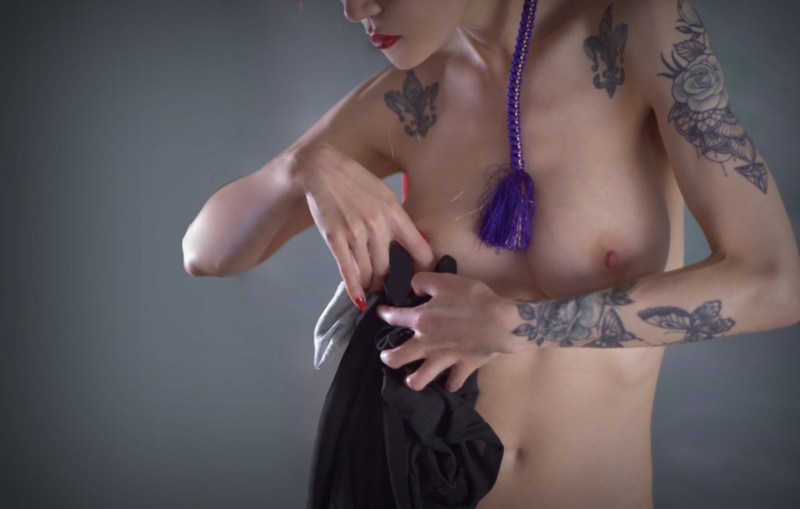
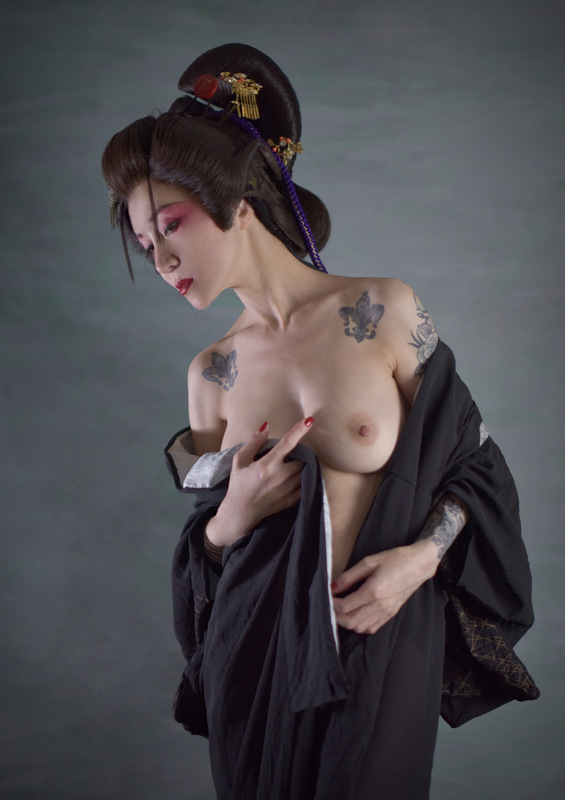
Artistic Expression: Nude photography is often seen as a form of art that celebrates the human body. Photographers and models may view it as a way to explore aesthetics, form, and the interplay of light and shadow.
Empowerment and Confidence: For many, posing nude can be an empowering experience. It can help individuals embrace their bodies, boost their self-esteem, and challenge societal norms about beauty and modesty.
Intimacy and Connection: Nude photography can create a sense of intimacy and connection between the photographer and the model. It requires a high level of trust and can capture vulnerability and authenticity.
Cultural and Historical Documentation: Throughout history, the human body has been a subject of fascination and study. Nude photography can be a way to document and preserve cultural attitudes toward the body and beauty standards over time.
Exploration of Identity and Sexuality: For some, nude photography is a means of exploring and expressing their identity, sexuality, and gender. It can be a form of self-discovery and personal expression.
Commercial and Professional Reasons: In the fashion and modeling industries, nude or semi-nude photographs are sometimes required for certain projects, campaigns, or portfolios. Models and photographers may engage in this type of work for professional advancement.
Personal Projects and Self-Expression: Individuals might take nude photographs as part of personal projects or as a form of self-expression, capturing moments of their lives in an intimate and candid manner.
Overall, the motivations behind nude photography are diverse and multifaceted, reflecting a blend of artistic, personal, and professional reasons.
Nude Art & Culture in Japan: An Exploration of Eroticism
Introduction
Nude art has a profound and storied history in Japan, a country where art and culture are deeply interwoven with the social and spiritual fabric. Unlike many Western societies, where nudity often carries connotations of impropriety or scandal, Japanese culture has historically embraced the naked form as a natural and integral aspect of human existence. This perspective is evident in various forms of art, from traditional Ukiyo-e woodblock prints to contemporary photography and manga. In this essay, we will explore the nuances of nude art and its cultural significance in Japan, focusing on how eroticism is expressed and perceived in different artistic contexts.
Historical Context of Nude Art in Japan
Nude art in Japan can be traced back to ancient times, but it gained particular prominence during the Edo period (1603-1868). The Ukiyo-e movement, which translates to “pictures of the floating world,” played a pivotal role in this era. Ukiyo-e artists like Katsushika Hokusai and Kitagawa Utamaro produced woodblock prints that celebrated the beauty of the human body, often in explicitly erotic contexts. These prints, known as Shunga, depicted a wide range of sexual activities and fantasies, often with humorous or exaggerated elements.
Shunga was not merely about titillation; it also served educational purposes, offering insights into sexual practices and norms of the time. These works were accessible to a broad audience, transcending class barriers, and were enjoyed by both men and women. The candid depiction of sexual pleasure and intimacy in Shunga reflects a cultural attitude that views sexuality as a natural and essential part of life.
Nude Art and Eroticism in Modern Japan
In modern Japan, the legacy of Shunga can be seen in various forms of media and art. Manga and anime, for example, often include erotic elements, ranging from subtle innuendos to explicit content. This trend is particularly evident in genres like Hentai, which explicitly focus on eroticism. Hentai, which translates to “pervert” or “perversion,” is a genre of Japanese manga and anime characterized by overt sexual themes. It encompasses a wide range of fantasies and fetishes, highlighting the diversity of sexual expression in Japanese popular culture.
Contemporary Japanese photography also explores themes of nudity and eroticism. Photographers like Nobuyoshi Araki have gained international acclaim for their provocative works that blend eroticism with everyday life. Araki’s photography often features nude subjects in intimate settings, challenging viewers to confront their own perceptions of sexuality and beauty. His work is both celebrated and controversial, reflecting the complex relationship between eroticism and art in Japan.
The Cultural Significance of Nudity
In Japan, nudity extends beyond erotic art into everyday cultural practices. Public baths, or Onsen, are a quintessential part of Japanese life, where men and women bathe communally, often without clothing. This practice underscores a cultural comfort with nudity that contrasts with more prudish attitudes found in some Western societies. The communal aspect of Onsen fosters a sense of equality and relaxation, removing the sexual connotations often associated with nudity in other contexts.
Moreover, traditional Japanese festivals and rituals sometimes involve nudity. For instance, the Hadaka Matsuri, or “Naked Festival,” sees participants wearing minimal clothing as they engage in various activities to purify themselves and seek good fortune. These events highlight the role of nudity in spiritual and communal experiences, further illustrating its multifaceted significance in Japanese culture.
Contemporary Challenges and Controversies
Despite the historical and cultural acceptance of nudity in art, modern Japan faces challenges and controversies surrounding eroticism. The rise of digital media and the internet has led to increased scrutiny and regulation of explicit content. Laws governing obscenity in Japan are notoriously ambiguous, leading to varying interpretations and enforcement. This has resulted in a complex legal landscape where artists and creators must navigate the fine line between artistic expression and censorship.
The tension between traditional attitudes towards nudity and modern legal and societal norms is evident in recent debates over the display of explicit artwork. Exhibitions featuring erotic art, such as those by Nobuyoshi Araki, often face protests and legal challenges. These controversies reflect broader societal anxieties about sexuality, privacy, and the impact of media on public morality.
The Global Influence of Japanese Erotic Art
Japanese erotic art has had a significant impact on global perceptions of sexuality and art. The bold and unapologetic depictions of eroticism in Japanese media have influenced artists and creators worldwide. Shunga, in particular, has inspired Western artists and has been the subject of numerous international exhibitions. The frankness and creativity of Japanese erotic art challenge Western norms and invite a more open and diverse conversation about sexuality.
The global popularity of manga and anime also underscores the widespread appeal of Japanese approaches to eroticism. Hentai, despite its niche market, has a dedicated international following, and its influence can be seen in various forms of Western media. This cross-cultural exchange highlights the universal human fascination with erotic art and the potential for such art to bridge cultural divides.
Conclusion
Nude art and eroticism in Japan are deeply rooted in the country’s cultural and historical context. From the vibrant Shunga prints of the Edo period to contemporary manga and photography, Japanese artists have continually explored and celebrated the human form in its most intimate expressions. The cultural acceptance of nudity, as seen in practices like Onsen and festivals, further reflects a unique perspective on the human body and sexuality.
However, modern Japan also grapples with the complexities of censorship and the shifting boundaries of acceptable erotic expression. These challenges highlight the ongoing tension between tradition and modernity in Japanese society. Despite these challenges, Japanese erotic art continues to captivate and inspire audiences worldwide, offering a compelling lens through which to explore the interplay between art, culture, and sexuality.
Les “oiran” étaient des courtisanes de haut rang dans le Japon de la période Edo (1603-1868). Elles étaient beaucoup plus que de simples prostituées : les oiran étaient des artistes accomplies, des expertes en culture et des femmes de grande beauté, renommées pour leur éducation raffinée et leur talent dans les arts traditionnels japonais tels que la danse, la musique et la poésie.
Origines et Histoire
Les oiran sont apparues durant l’époque d’Edo, période marquée par une stricte division sociale et une politique de contrôle rigide mise en place par le shogunat Tokugawa. Elles exerçaient dans les quartiers réservés appelés “yūkaku”, les plus célèbres étant Yoshiwara à Edo (aujourd’hui Tokyo). Ces quartiers étaient des espaces clos, contrôlés et réglementés où les visiteurs pouvaient accéder à divers types de divertissements.
Formation et Vie des Oiran
Les jeunes filles qui devenaient oiran étaient souvent issues de familles pauvres et étaient vendues aux maisons de thé lorsqu’elles étaient encore enfants. Elles subissaient une longue et rigoureuse formation avant de pouvoir exercer en tant qu’oiran. Cette formation comprenait la maîtrise de la calligraphie, du shamisen (instrument de musique), de la cérémonie du thé, de la danse traditionnelle, ainsi que des compétences sociales et conversationnelles.
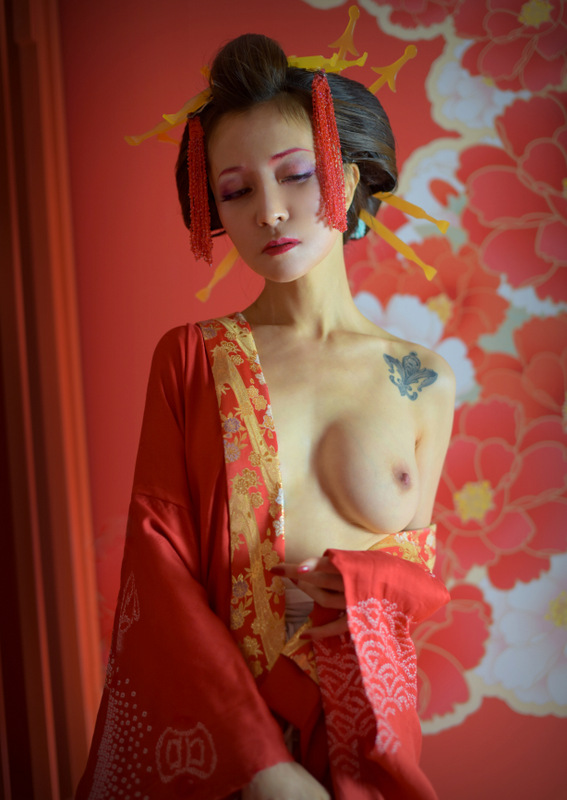
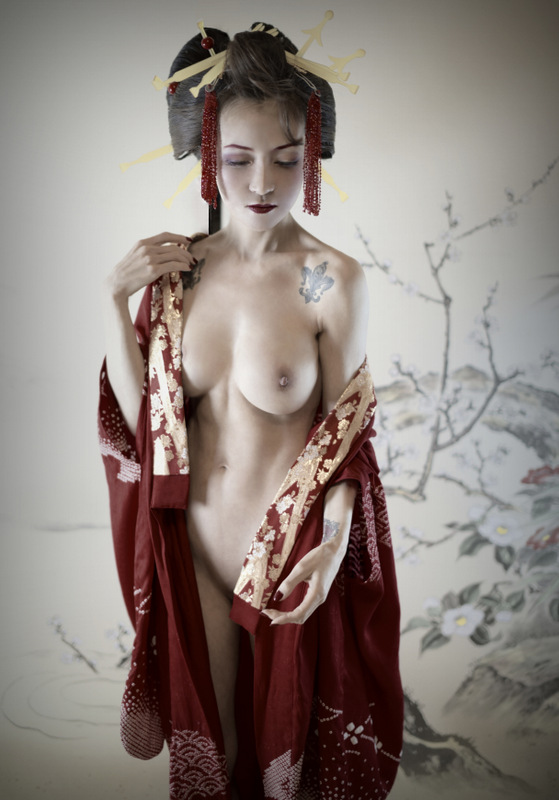
Les oiran devaient aussi suivre un code vestimentaire strict et portaient des kimonos somptueux et compliqués, ornés de nombreux accessoires. Leur coiffure élaborée, appelée “yokozushi”, nécessitait de nombreuses heures de préparation. Elles portaient également des getas (sandales en bois) hautes, appelées “koma-geta”, qui rendaient leur démarche distinctive et reconnaissable.
Statut et Influence
Les oiran jouissaient d’un statut relativement élevé par rapport aux autres femmes travaillant dans les yūkaku. Leur rang le plus élevé était celui de “tayū”. Elles pouvaient choisir leurs clients et imposer des conditions strictes pour les rendez-vous. En raison de leur éducation et de leur savoir-faire, elles étaient souvent en compagnie de samouraïs, de riches marchands et d’autres hommes de haut rang.
Leur influence s’étendait au-delà de leurs quartiers, affectant la mode et les tendances culturelles de la société japonaise de l’époque. Les femmes de la classe supérieure imitaient souvent le style des oiran, et les récits de leurs vies étaient des sujets populaires dans la littérature et le théâtre.
Déclin et Héritage
Avec la modernisation du Japon à la fin du 19e siècle et l’ère Meiji, le rôle des oiran a commencé à décliner. L’ouverture du pays à l’Occident et les réformes sociales ont entraîné des changements significatifs dans les structures sociales et culturelles du Japon. Les oiran ont été peu à peu remplacées par les geishas, qui mettaient davantage l’accent sur l’art et la performance que sur la compagnie intime.
Aujourd’hui, les oiran sont principalement connues à travers la culture populaire et les reconstitutions historiques. Des festivals et des événements spéciaux recréent parfois les parades des oiran, où des femmes habillées dans les costumes traditionnels marchent dans les rues pour rappeler cette partie fascinante de l’histoire japonaise.
Understanding why the Oiran, high-ranking courtesans in Japan, are not simply sexual slaves is indeed challenging for Westerners due to significant cultural differences and historical contexts. The Western perspective often interprets the concept of courtesanship through a lens shaped by their own historical experiences with sex work, slavery, and gender roles. This can lead to a misinterpretation of the role and status of Oiran in Edo-period Japan. Here are several key points to consider:
Cultural and Historical Context: In the Edo period (1603-1868), Japan’s society was highly stratified and regulated by a strict class system. The Oiran were part of the Yoshiwara pleasure quarters, which were legal and regulated areas for entertainment, including the services of courtesans. Unlike the chattel slavery system known in the West, where individuals were property with no rights or autonomy, the Oiran operated within a structured, albeit restrictive, framework that afforded them certain privileges and status. They were not bought and sold as property but were contracted professionals.
Training and Skillset: Oiran were not merely sex workers but highly trained entertainers. Their training began from a young age and included various arts such as music, dance, poetry, calligraphy, and the tea ceremony. This comprehensive training elevated their status beyond that of a simple prostitute. They were cultural icons and custodians of sophisticated cultural practices, which distinguished them from the concept of sexual slavery. Their ability to converse intelligently on a wide range of topics and entertain intellectually and artistically set them apart as elite courtesans.
Economic and Social Autonomy: While it is true that Oiran operated within a system that controlled much of their lives, they also had a degree of economic independence. They could attract patrons, negotiate the terms of their engagements, and in some cases, amass considerable wealth. This economic autonomy is a stark contrast to the condition of slaves, who had no control over their labor or earnings. Additionally, successful Oiran had the potential to gain social influence and patronage, further distinguishing their roles from those of slaves.
Misconceptions from a Western Perspective: Westerners often project their historical experiences with slavery and prostitution onto other cultures. The concept of sexual slavery is heavily tied to the brutal transatlantic slave trade and the exploitation found in various parts of European history. In contrast, the Oiran system, while far from modern ideals of gender equality and autonomy, operated under a different set of social and cultural norms. Western interpretations often fail to recognize the agency and cultural significance embedded in the role of the Oiran.
Comparison with Geisha: The confusion often extends to the role of Geisha, another class of Japanese female entertainers, who are sometimes mistakenly equated with prostitutes in Western imaginations. Geisha are performers and hostesses who entertain through traditional arts without offering sexual services. The misunderstanding of Geisha and Oiran roles highlights a broader issue of cultural misinterpretation. Both roles, while differing in nature and function, emphasize skill, artistry, and social engagement over mere sexual service.
Representation in Media: Western media portrayals often sensationalize and simplify complex cultural practices. Films and literature may depict Oiran and similar figures in a way that reinforces stereotypes rather than presenting a nuanced understanding. These portrayals contribute to the persistence of misconceptions and hinder a deeper appreciation of the historical and cultural contexts.
Conclusion: Understanding why Oiran were not sexual slaves involves recognizing the unique historical, social, and cultural contexts of Edo-period Japan. The Oiran’s role encompassed a broad range of skills and responsibilities that provided them with a distinct status, albeit within a restrictive system. They were cultural figures and entertainers whose agency and social functions cannot be adequately captured by the concept of sexual slavery as understood in the Western context. Appreciating these differences requires a nuanced and informed perspective that goes beyond superficial comparisons and recognizes the specificities of Japanese history and culture.



 》
》

 被写体を希望する方々へ