The relationship between a model and a photographer is often a peculiar dance, a symphony of mutual artistry and silent understanding. In the realm of light and shadow, they find each other time and again, creating moments that transcend the ordinary and touch the sublime.
A photographer sees the world through a lens, framing reality in fragments of beauty and truth. The model, a living canvas, offers their form and presence to this vision, their essence captured in stillness. It is a union of gaze and grace, where the photographer’s eye and the model’s poise converge in a timeless ballet.
The photographer has many muses, each bringing their own story, their own aura to the frame. With each click of the shutter, a fleeting moment is frozen, a glimpse into the soul of the model, a whisper of their being. The model, in turn, stands before countless photographers, each with their unique perspective and style, each seeking to unveil a different facet of their persona.
This dance is both intimate and distant, a paradox of closeness and separation. In the brief seconds of exposure, there is a connection, a shared breath, a mutual acknowledgment of the art they create together. Yet, outside the studio, their lives diverge, paths crossing only when the universe conspires to bring them together again.
The model and the photographer are bound by an invisible thread, a bond forged in the creation of images that speak without words. They communicate through poses and angles, through light and shadow, crafting a narrative that is both ephemeral and eternal. The model trusts the photographer to see them, to truly see them, and to capture that vision with honesty and artistry. The photographer relies on the model’s ability to express, to convey emotion and story through their very being.
In this collaborative act, there is vulnerability and strength, fragility and resilience. The model bares themselves, not just physically but emotionally, laying open their inner world for the photographer to explore. The photographer, in turn, reveals their own sensitivity, their own way of seeing, in the images they produce. It is a delicate balance, a dance of give and take, of seeing and being seen.
Sometimes, the relationship deepens, becoming a muse and artist partnership that spans years and projects. Other times, it is fleeting, a single session, a brief encounter that leaves a lasting impression. Regardless of its duration, the connection between a model and a photographer is always unique, always marked by the magic of creation.
In the silence of the studio, under the gaze of the camera, the model and the photographer find a rare kind of communion. It is a place where they can explore identity, beauty, and expression without the constraints of words. It is a place where they can be both themselves and something more, something transcendent.
Through the lens, the photographer captures the essence of the model, their spirit crystallized in pixels and prints. The model, in turn, inhabits the frame, bringing to life the photographer’s vision. It is a cycle of inspiration and creation, a dance that continues with each new shoot, each new collaboration.
In the end, the relationship between a model and a photographer is a testament to the power of art to connect, to reveal, and to transform. It is a journey of discovery, of mutual respect and admiration, of moments frozen in time that speak to the beauty and complexity of the human experience. And in this dance, they find a kind of immortality, their fleeting moments of connection captured forever in the art they create together.
The relationship between nature and humanity has been a subject of philosophical contemplation for centuries. From ancient mythologies and religious texts to modern environmental ethics, the dynamic interplay between humans and the natural world has inspired diverse perspectives. This essay explores the philosophical dimensions of this relationship, examining how different traditions and thinkers have conceptualized nature and humanity, the ethical implications of our interactions with the environment, and the contemporary challenges we face in fostering a sustainable coexistence.
Ancient Philosophies: Harmony and Dominion
In many ancient cultures, nature was revered and considered sacred. Indigenous traditions often viewed the natural world as a living entity, imbued with spiritual significance. For instance, Native American philosophies emphasize the interconnectedness of all life forms and the importance of living in harmony with nature. Similarly, Eastern philosophies like Taoism and Buddhism advocate for a deep respect for nature, seeing humans as part of a larger, interdependent ecosystem.
In contrast, Western philosophical traditions have often depicted nature as something to be controlled and mastered. The Judeo-Christian tradition, as interpreted in the Book of Genesis, grants humans dominion over nature, encouraging its exploitation for human benefit. This perspective laid the groundwork for the development of science and technology, which enabled humans to manipulate and transform their environment on an unprecedented scale.
Enlightenment and the Rise of Modernity
The Enlightenment era brought about a significant shift in the human-nature relationship. Philosophers like René Descartes and Francis Bacon championed a mechanistic view of the natural world, emphasizing the use of reason and empirical methods to understand and control nature. Descartes’ famous dictum, “I think, therefore I am,” underscores the separation of the human mind from the natural world, positioning humans as distinct and superior beings.
This mechanistic and anthropocentric view justified the industrial revolution’s exploitation of natural resources, leading to significant environmental degradation. The belief in human progress and the potential for limitless growth overshadowed concerns about the long-term impacts on the planet. As a result, the modern era has been marked by a growing estrangement from nature, manifesting in urbanization, pollution, and the depletion of natural habitats.
Romanticism and the Reassertion of Nature’s Value
In reaction to the industrial revolution’s excesses, the Romantic movement of the 18th and 19th centuries sought to reestablish a connection with nature. Romantic poets and philosophers like William Wordsworth, Ralph Waldo Emerson, and Henry David Thoreau celebrated the beauty and sublimity of the natural world. They criticized the dehumanizing effects of industrialization and advocated for a return to a simpler, more harmonious way of life.
Thoreau’s experiment at Walden Pond epitomizes the Romantic ideal of living in close communion with nature. His writings reflect a deep appreciation for the intrinsic value of the natural world and a recognition of the moral and spiritual benefits of such a relationship. This perspective laid the foundation for modern environmentalism, emphasizing the need to preserve and protect nature for its own sake, rather than merely for its utility to humans.
Environmental Ethics and the Question of Sustainability
The 20th century saw the emergence of environmental ethics as a distinct philosophical field. Thinkers like Aldo Leopold, Rachel Carson, and Arne Naess developed new frameworks for understanding our moral obligations to the environment. Leopold’s “land ethic” proposes that humans should see themselves as part of a larger ecological community, with responsibilities to maintain the health and integrity of the land. Carson’s seminal work, “Silent Spring,” highlighted the detrimental effects of pesticides on the environment, sparking the modern environmental movement.
Arne Naess, the founder of deep ecology, argued for a radical shift in our perception of nature. He advocated for an ecocentric worldview, where the intrinsic value of all living beings is recognized, and humans are seen as one species among many. This perspective challenges the anthropocentric biases that have historically dominated Western thought and calls for a profound rethinking of our relationship with the natural world.
Contemporary Challenges and the Future of Human-Nature Relations
Today, the relationship between nature and humanity is at a critical juncture. Climate change, biodiversity loss, and environmental pollution pose existential threats to both the planet and human civilization. The Anthropocene, a term used to describe the current geological epoch characterized by significant human impact on the Earth, underscores the urgency of addressing these issues.
Philosophers and environmentalists argue that a sustainable future requires a fundamental transformation in how we perceive and interact with nature. This involves embracing principles of sustainability, resilience, and ecological justice. It also calls for an integration of indigenous knowledge systems and a recognition of the rights of nature, as seen in legal innovations like Ecuador’s constitutional recognition of the rights of Mother Earth.
Conclusion
The philosophical exploration of the relationship between nature and humanity reveals a complex and evolving interplay. From ancient reverence to modern exploitation, and from Romantic appreciation to contemporary environmental ethics, our understanding of this relationship has undergone significant changes. As we face unprecedented environmental challenges, it is imperative to draw on diverse philosophical traditions to foster a more sustainable and harmonious coexistence with the natural world. By reimagining our place within the broader ecological community, we can work towards a future that respects and preserves the intricate web of life that sustains us all.
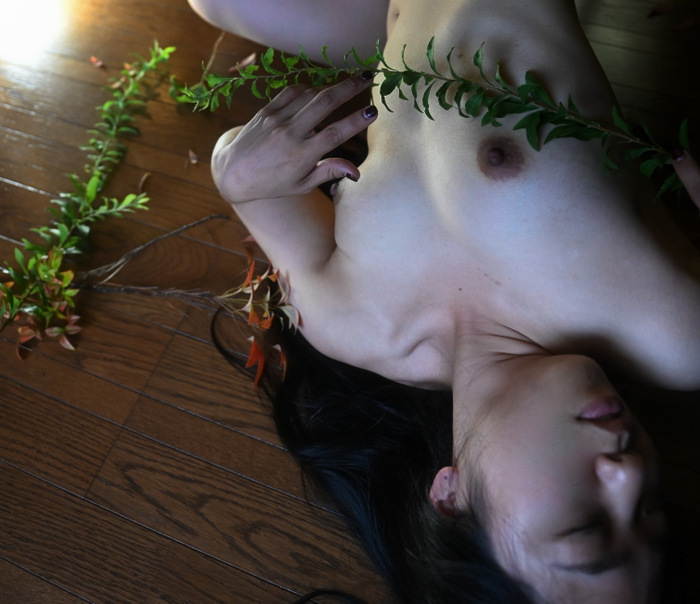
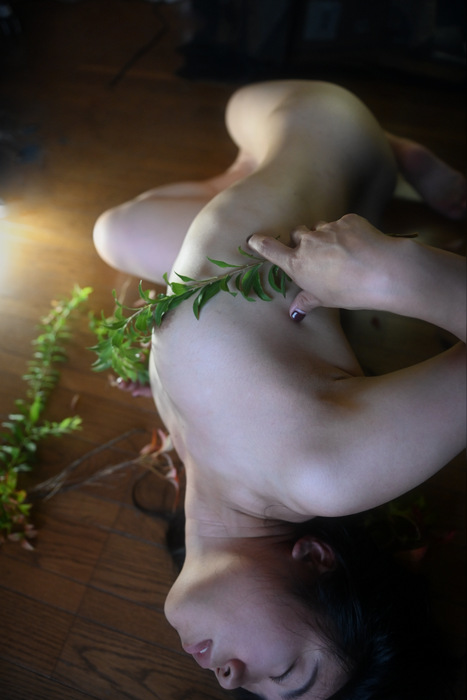
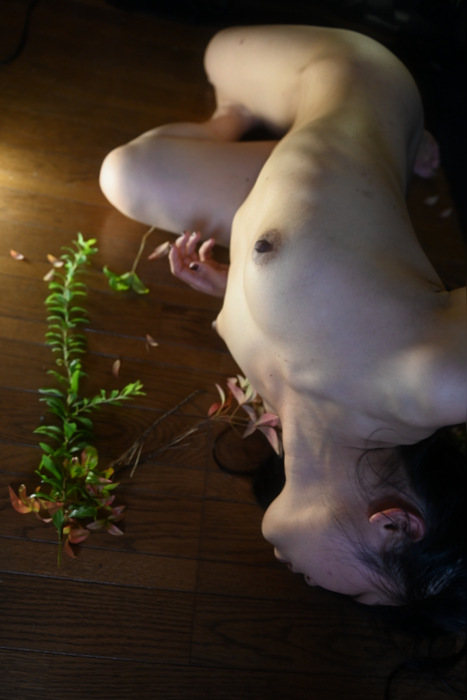
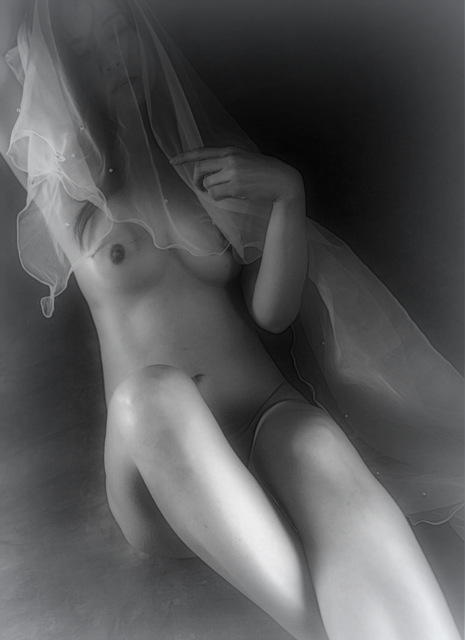
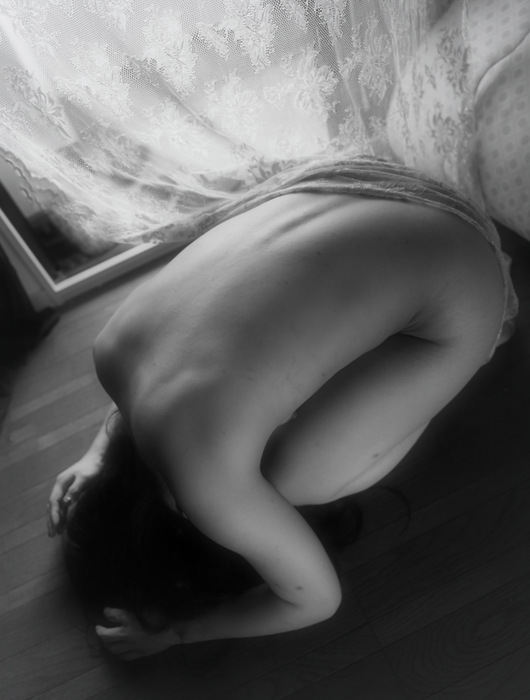
In the realm of photography, the interplay between subject and environment is crucial, often dictating the emotional and aesthetic impact of the image. One of the most profound subjects to capture is the human form in its most vulnerable state: nudity. When set against the backdrop of silence, this form can evoke a unique sense of tranquility and introspection, allowing both the photographer and the viewer to engage with the image on a deeper level.
Backlighting in Nude Photography: An Artistic Exploration
Backlighting in nude photography is a captivating technique that harnesses the interplay of light and shadow to create ethereal, intimate, and evocative images. This artistic approach involves positioning the light source behind the subject, which can result in a wide range of visual effects from soft, glowing outlines to dramatic silhouettes. This essay delves into the intricacies of backlighting in nude photography, discussing its aesthetic potential, technical considerations, and the creative possibilities it offers photographers.
The Aesthetic Appeal of Backlighting
Backlighting can transform a photograph into a piece of fine art. When the light source is placed behind the subject, it often creates a halo effect that enhances the subject’s contours, adding depth and dimension. This technique is particularly effective in nude photography, where the human form is the primary focus. The light can highlight the curves and natural lines of the body, creating a visually compelling composition that draws the viewer’s eye.
One of the most striking aesthetic benefits of backlighting is the creation of a silhouette. Silhouettes strip away the details, leaving only the shape and outline of the subject. This can evoke a sense of mystery and timelessness, emphasizing the form over the individual characteristics of the model. In nude photography, silhouettes can be powerful, as they abstract the human body, allowing viewers to appreciate the form in a pure and unembellished state.
Technical Considerations
Achieving the desired effect with backlighting requires careful planning and execution. One of the primary challenges is managing the exposure. Since the light source is behind the subject, the front of the subject can easily become underexposed, resulting in a loss of detail. Photographers often need to adjust their camera settings, such as increasing the exposure compensation or using fill flash, to balance the light.
Another crucial factor is the placement and intensity of the light source. Natural light, particularly sunlight during the golden hours (shortly after sunrise or before sunset), can be ideal for backlighting. The soft, warm light during these times can create beautiful highlights and a natural glow. However, artificial lighting can also be used effectively. The key is to experiment with different angles and distances to see how the light interacts with the subject.
Lens flare is another consideration in backlighting. While it is often seen as a flaw, lens flare can be used creatively to add a dreamy or surreal quality to the image. Photographers can experiment with different lenses and apertures to control the appearance of lens flare. Using a lens hood or strategically blocking the light source with a hand or object can also help manage unwanted flares.
Creative Possibilities
Backlighting opens up a myriad of creative possibilities in nude photography. One such possibility is the creation of rim lighting, where the edges of the subject are illuminated, creating a distinct outline. This technique can add a dramatic effect to the image, accentuating the shape and movement of the body. Rim lighting works particularly well in monochrome photography, where the contrast between light and shadow can be striking.
Another creative approach is to combine backlighting with other lighting techniques. For instance, using a secondary light source in front of the subject can help reveal details that would otherwise be lost. This combination can result in a balanced exposure while still maintaining the ethereal quality of backlighting. Reflectors can also be used to bounce light back onto the subject, softening shadows and adding a natural glow.
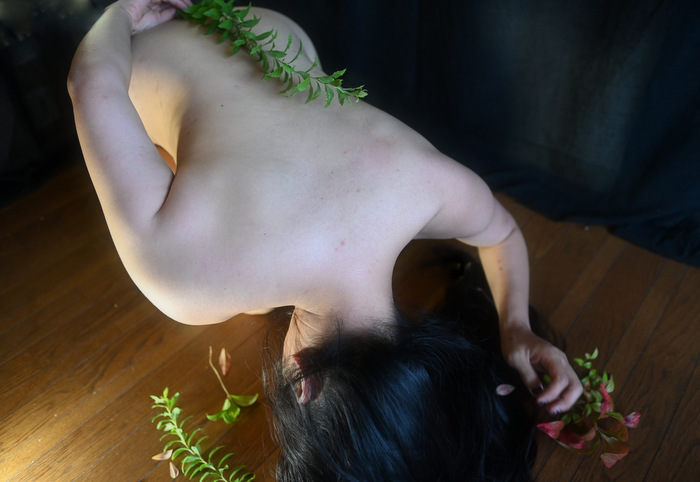
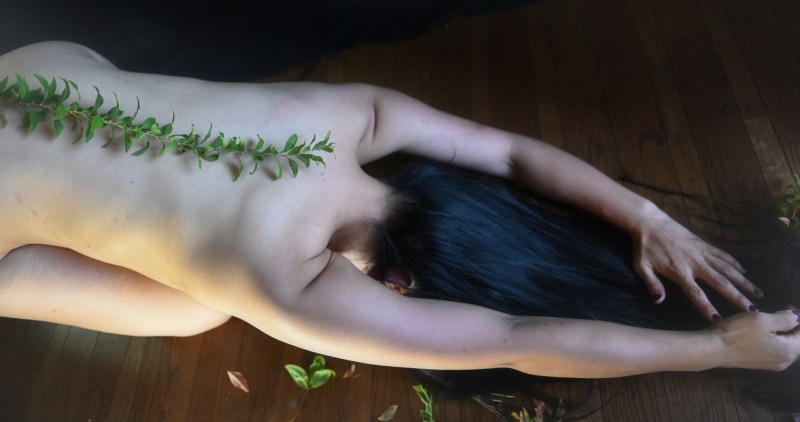
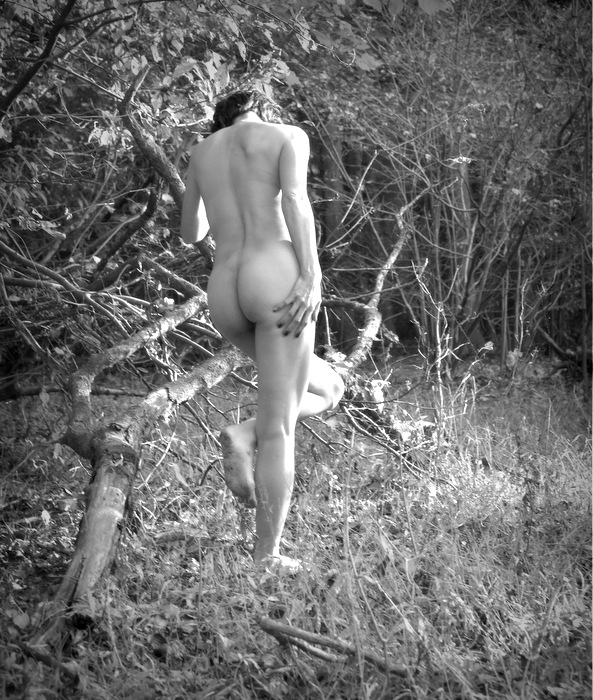
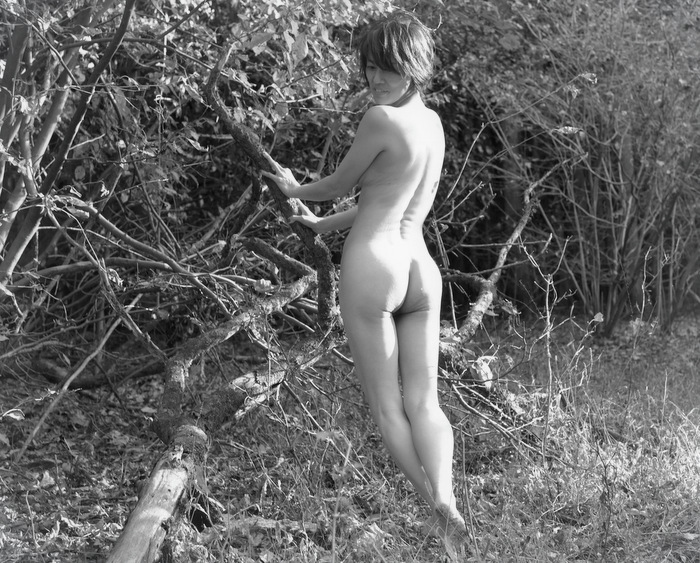
In addition to lighting, the environment plays a significant role in backlit nude photography. Outdoor settings, such as forests, beaches, or fields, offer natural light sources that can be harnessed for stunning backlit images. The interplay of natural elements like foliage, water, and mist with the backlighting can add layers of texture and interest to the composition. Indoor settings with large windows or light streaming through doorways can also provide beautiful backlighting opportunities.
The Emotional Impact
Beyond the technical and aesthetic aspects, backlighting in nude photography can have a profound emotional impact. The way light interacts with the human form can evoke various moods and feelings. Soft, diffused backlighting can create a sense of serenity and tenderness, while harsher, more direct backlighting can convey drama and intensity. The emotional tone of the image is influenced by factors such as the pose of the model, the setting, and the overall composition.
Backlit nude photography can also convey a sense of vulnerability and intimacy. The partial illumination of the body, with some areas in shadow and others highlighted, can suggest a hidden or private moment. This intimacy can be powerful, drawing viewers into the image and encouraging them to engage with the subject on a deeper level.
Conclusion
Backlighting in nude photography is a versatile and powerful technique that can elevate the artistry of an image. By carefully managing the light source and considering the interplay of light and shadow, photographers can create stunning compositions that highlight the beauty and form of the human body. The aesthetic appeal, technical considerations, and creative possibilities of backlighting make it a valuable tool in the photographer’s repertoire. Ultimately, backlighting allows photographers to explore new dimensions of expression and to convey the delicate interplay between light and the human form in a uniquely captivating way.
If you’re interested in body painting, this page would be helpful to refer to. Use non-toxic paints and pigments. Avoid trust issues with 100-yen store paints; it’s better to use domestically produced children’s watercolor paints, as they’re safe even if licked or swallowed, considering they’re intended for children. Also, avoid expensive paints, as they might contain toxic pigments.
In my case, both the model and I handle everything from painting to photography, so we plan everything in advance for smooth execution. It’s best if the model stands in a pose with arms and legs spread, making it easier to paint the entire body. Expect it to take at least an hour to paint the whole body thoroughly, which is still quite fast. Take photos quickly without breaks; as the paint starts to dry, it may peel off the skin, so swift photography is crucial. Additionally, prepare a mixture of cornstarch and hot water in advance to thicken it, then mix in pigments for easy cleanup after the shoot. Using paint directly can stain the skin and make removal difficult, so be cautious.



 》
》







 被写体を希望する方々へ