・
Artist-model : Yu
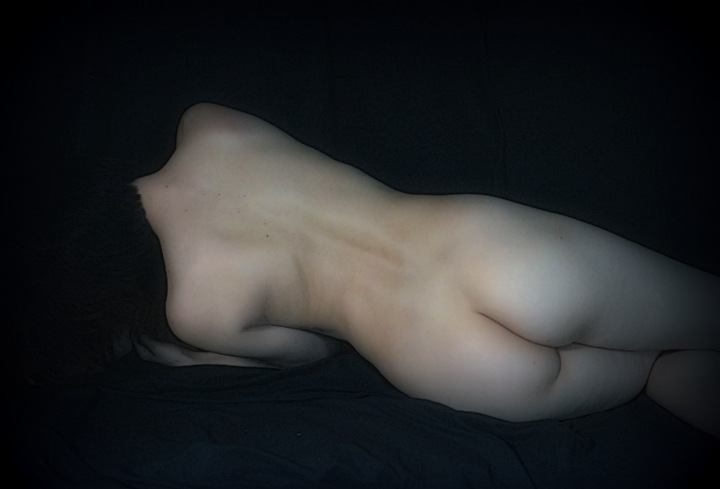
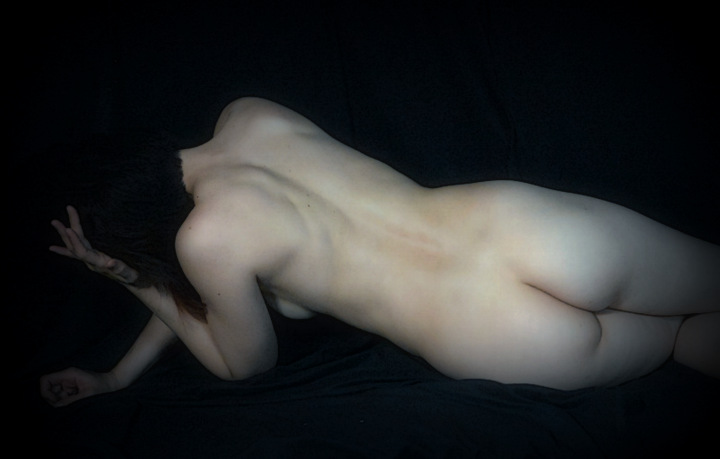
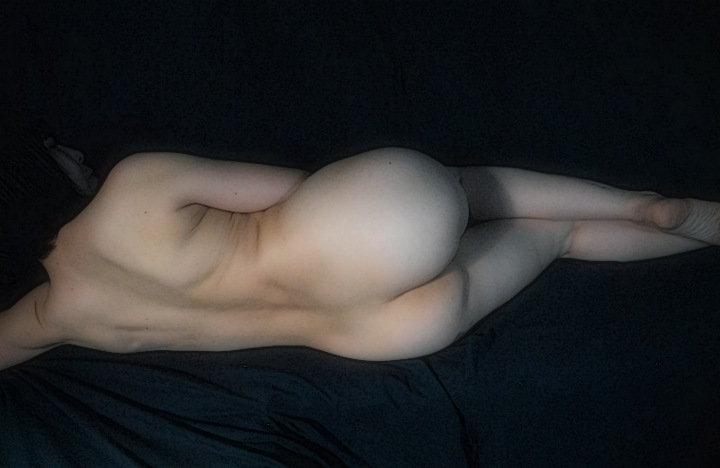
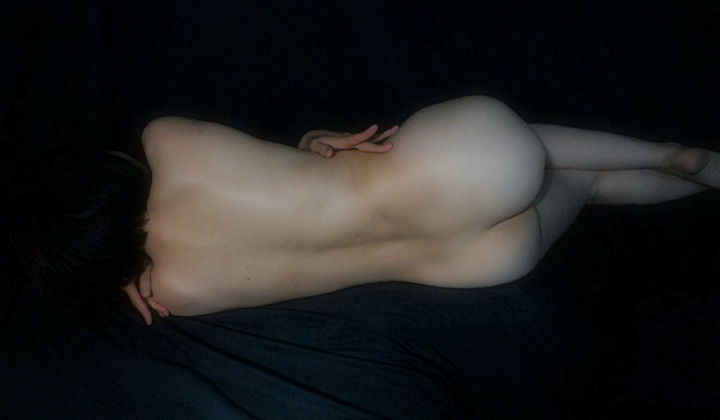
Capturing the Art of Nude Reclining Poses: Inspired by Impressionist Paintings
The art of photography, particularly nude photography, presents a unique and profound challenge to the artist. Unlike other genres, it demands a delicate balance between sensuality and artistry, between revealing the form and concealing the individual’s identity. When infused with the spirit of Impressionism, the challenge becomes even more exhilarating. Impressionist painting, known for its emphasis on light, color, and the momentary, ephemeral quality of scenes, provides a rich source of inspiration for creating nude reclining poses in photography. This essay explores how one might approach this task, drawing parallels between the two mediums and offering practical advice on technique, composition, and artistic vision.
The Influence of Impressionism
Impressionism, emerging in the late 19th century with pioneers like Claude Monet, Pierre-Auguste Renoir, and Edgar Degas, sought to capture the “impression” of a moment. This movement was characterized by loose brushwork, vibrant colors, and a focus on the effects of light. Impressionists often painted en plein air (outdoors), striving to depict the changing qualities of light and atmosphere. This focus on light and momentary beauty is crucial when attempting to capture the essence of a nude reclining pose in a photograph.
・
Light and Atmosphere
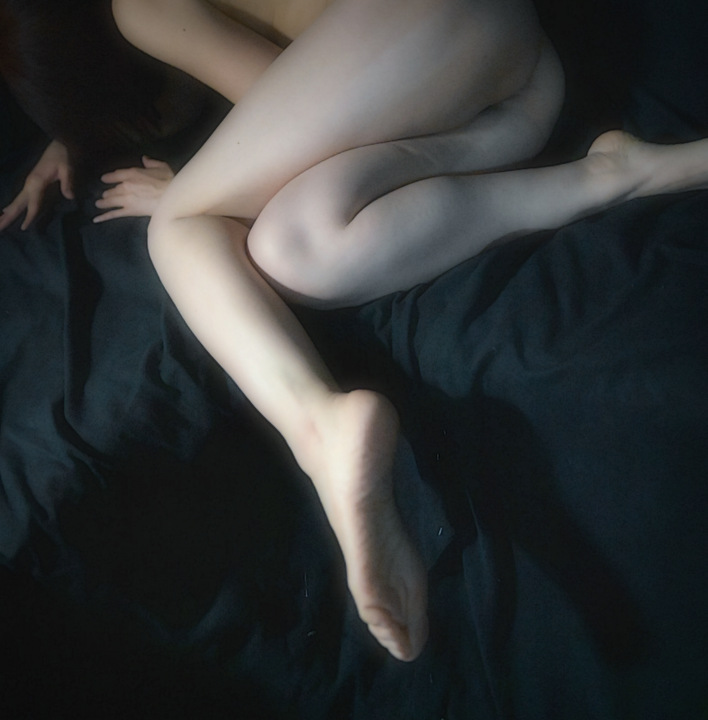
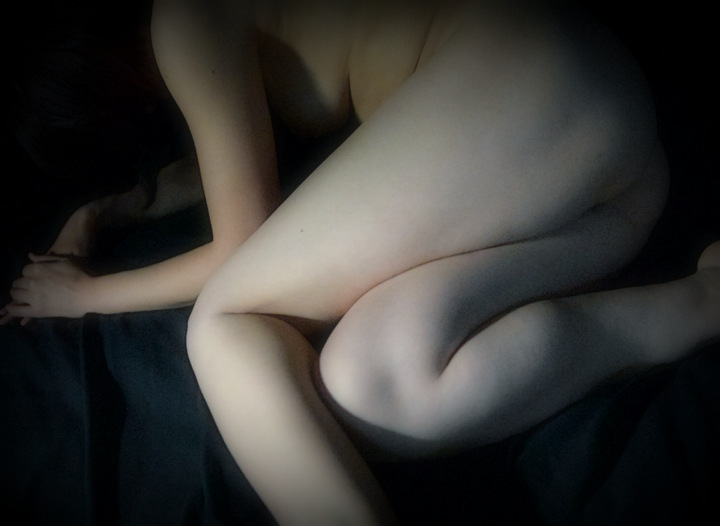
One of the fundamental aspects of Impressionist art is the use of light to convey mood and depth. In photography, light is equally vital. To create an Impressionist-inspired nude reclining pose, the photographer should consider natural light sources. Early morning or late afternoon light, often referred to as “golden hour,” can imbue the scene with a warm, soft glow, much like the light depicted in many Impressionist paintings.
Natural light can be diffused through curtains or reflected off surfaces to soften shadows and highlight the contours of the body. This mimics the way Impressionist painters used light and shadow to give form to their subjects. Additionally, experimenting with light from different angles can create a variety of moods and emphasize different aspects of the human form.
Composition and Pose
The composition of a photograph is its backbone, much like the structure of a painting. In both mediums, the placement of the subject, the use of space, and the overall balance are crucial. When photographing a nude reclining pose, one should consider the principles of composition used by the Impressionists.
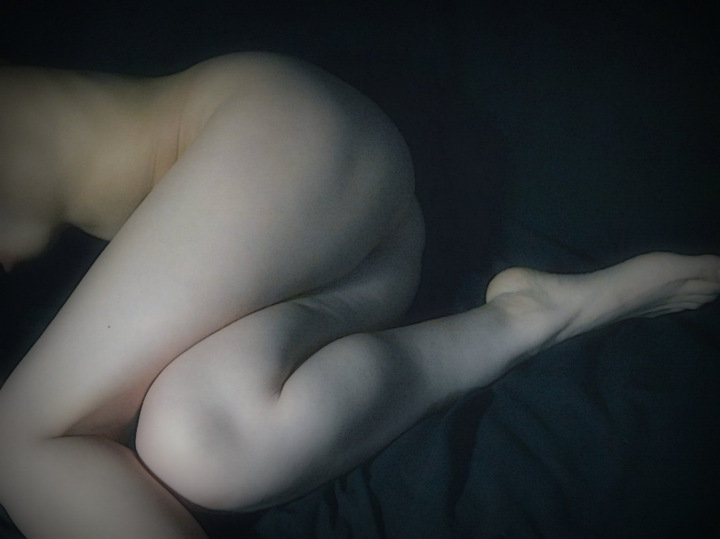
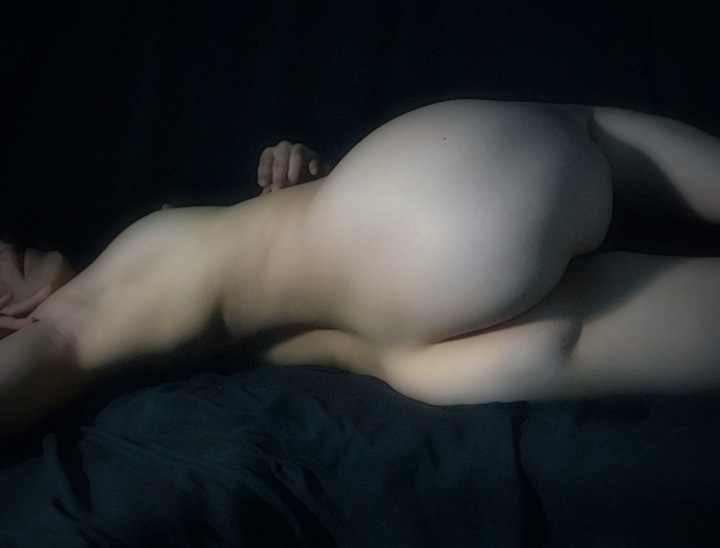
Impressionist artists often favored asymmetrical compositions, where the subject is off-center, creating a more dynamic and engaging image. This technique can be applied in photography by positioning the model slightly to one side, allowing space for the interplay of light and shadow. Furthermore, incorporating elements of the surrounding environment can add context and depth, much like the landscapes and interiors that often frame Impressionist subjects.
The pose itself should be natural and relaxed, echoing the casual, unposed appearance of many Impressionist figures. A reclining position, with limbs loosely arranged and body contours gently curved, can evoke a sense of serenity and intimacy. The photographer should encourage the model to shift slightly, adjusting to the light and finding comfortable, aesthetically pleasing angles.
・
・
Color Palette and Mood
Impressionist paintings are renowned for their vibrant, yet often soft and pastel color palettes. Translating this into photography involves careful consideration of the model’s skin tones, the background, and any props used. Neutral backgrounds can help the model’s form stand out, while colored backdrops or fabrics can introduce subtle hues reminiscent of Impressionist works.
Editing software can be employed to enhance the colors and create a more painterly effect. Adjusting the saturation and hue, applying filters that mimic the texture of brushstrokes, or even adding a slight blur can evoke the softness of an Impressionist painting. However, these effects should be used sparingly to avoid overpowering the natural beauty of the photograph.
Capturing the Moment
A hallmark of Impressionism is the focus on capturing a fleeting moment. In nude photography, this translates to seizing the natural, spontaneous expressions and movements of the model. Continuous shooting mode can be beneficial, allowing the photographer to capture a sequence of movements and select the most evocative frame.
Encouraging the model to move slowly, shift positions, or change facial expressions can result in a series of images that convey a sense of time passing. This approach mirrors the Impressionist desire to depict life as it happens, with all its inherent beauty and imperfection.
・
・

・
The Role of Emotion
Both photography and Impressionist painting seek to evoke emotion. In photographing a nude reclining pose, the emotional connection between the model, the photographer, and the viewer is paramount. The model’s comfort and confidence play a significant role in the final image. Establishing trust and open communication can help the model relax and express genuine emotions, whether it be serenity, vulnerability, or strength.
The photographer’s perspective and emotional state also influence the outcome. Approaching the shoot with a clear artistic vision and a sensitivity to the model’s emotions can result in a more authentic and powerful image. The goal is to create a photograph that resonates emotionally with the viewer, much like the best Impressionist paintings do.
Practical Considerations
Technical considerations are equally important in achieving an Impressionist-inspired nude photograph. Here are some practical tips:
- Lens Choice: A lens with a wide aperture (f/1.8 or wider) can create a shallow depth of field, isolating the subject and creating a dreamy, blurred background that mimics the softness of Impressionist paintings.
- Camera Settings: Using manual settings allows greater control over exposure, ensuring the light and shadow are captured as intended. A lower ISO setting will reduce noise, preserving the clarity and subtlety of the image.
- Environment: Choose a setting that complements the model and the desired mood. Natural environments, such as gardens or softly lit rooms, can provide a rich tapestry of colors and textures, enhancing the Impressionist feel.
- Post-Processing: Editing should enhance, not overshadow, the natural beauty of the photograph. Subtle adjustments to color balance, contrast, and sharpness can bring out the Impressionist qualities. Consider using software that offers tools for simulating the look of different painting styles.
・

・
・
Conclusion
Creating a nude reclining pose in photography that resonates with the spirit of Impressionist painting is a journey of artistic exploration. It requires a keen understanding of light, composition, color, and emotion. By drawing inspiration from the techniques and principles of Impressionism, photographers can capture images that are not only visually stunning but also deeply evocative.
In this endeavor, the photographer becomes a painter, using the camera as a brush to create a tableau that celebrates the beauty of the human form and the ephemeral quality of light and moment. It is a fusion of art and reality, where the lines between painting and photography blur, and where each image tells a story that is both timeless and immediate.
Model-Yu : Lying pose collection 2
 被写体を希望する方々へ