
・
・
・
・
Traditional Japanese Aesthetics in Portrait Photography
Traditional Japanese aesthetics have a profound influence on various art forms, including portrait photography. The essence of Japanese beauty is characterized by subtlety, simplicity, and an appreciation for the impermanence and imperfection of life. These principles, deeply rooted in cultural practices and philosophies such as wabi-sabi, mono no aware, and ma, play a significant role in shaping how portraits are conceptualized and executed in Japanese photography.
Wabi-Sabi: Embracing Imperfection and Transience
Wabi-sabi is a fundamental concept in Japanese aesthetics that finds beauty in imperfection and transience. This philosophy emphasizes the charm of the incomplete and the appreciation of natural wear and tear. In portrait photography, wabi-sabi can be reflected in several ways:
- Natural Expressions: Capturing subjects in their natural state, with genuine expressions and emotions, embodies the wabi-sabi spirit. This approach avoids overly staged or perfected poses, instead highlighting the unique characteristics and individuality of the subject.
- Environment and Setting: Incorporating natural and aged elements in the background or surroundings can enhance the wabi-sabi feel. Traditional Japanese settings, such as tatami rooms, wooden structures, or gardens with weathered stones and moss, provide a serene and authentic atmosphere that complements the subject’s natural beauty.
- Lighting and Texture: Soft, natural lighting that casts gentle shadows and highlights textures can enhance the wabi-sabi aesthetic. This type of lighting accentuates the subtle details of the subject’s skin and attire, creating a more intimate and personal portrait.
・
・
Mono no Aware: The Pathos of Things
Mono no aware, often translated as “the pathos of things,” refers to the deep, melancholic appreciation of the transient beauty of life. This concept is closely related to the fleeting nature of cherry blossoms, which are celebrated in Japanese culture for their short-lived yet breathtaking beauty. In portrait photography, mono no aware can be captured through:
- Ephemeral Moments: Capturing fleeting moments that evoke a sense of nostalgia or poignancy is central to mono no aware. This could be a glance, a gesture, or a moment of reflection that speaks to the transience of life and the beauty of the present moment.
- Seasonal Changes: Incorporating elements of seasonal change, such as blooming flowers, falling leaves, or snow, can enhance the emotional impact of a portrait. These elements not only add visual interest but also evoke the passage of time and the impermanence of beauty.
- Emotional Depth: Portraits that convey deep emotions, whether it be joy, sorrow, or contemplation, resonate with the spirit of mono no aware. The ability to capture and convey these emotions through the subject’s eyes and expression is a testament to the photographer’s skill and sensitivity.
Ma: The Space Between
Ma is the concept of negative space or the interval between objects. In Japanese aesthetics, ma is not simply empty space but a meaningful pause or silence that enhances the overall composition. In portrait photography, ma can be effectively utilized to create balance and harmony:
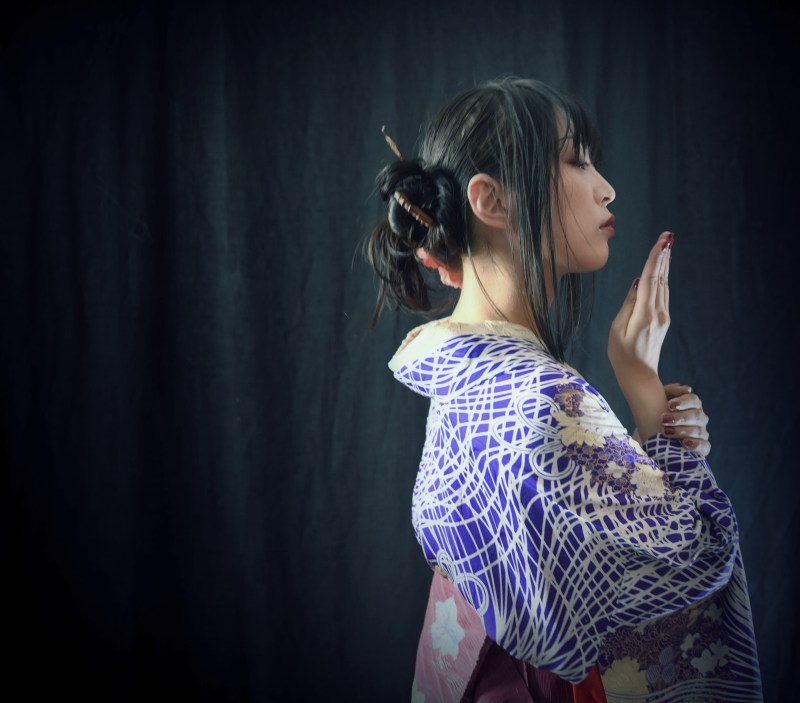
- Composition and Framing: Thoughtful composition that incorporates negative space around the subject can draw attention to their presence and create a sense of calm and balance. This technique allows the viewer to appreciate the subject without distraction, emphasizing their importance within the frame.
- Simplicity and Minimalism: A minimalist approach, where unnecessary elements are removed, aligns with the principle of ma. This simplicity focuses the viewer’s attention on the subject, highlighting their features and expressions without clutter or distraction.
- Interaction with Environment: The use of space in relation to the subject can also convey a sense of interaction with their environment. For instance, a portrait with the subject gazing into an open space or interacting with a natural element creates a dynamic yet harmonious relationship between the subject and their surroundings.
・
Integration of Traditional Attire and Elements
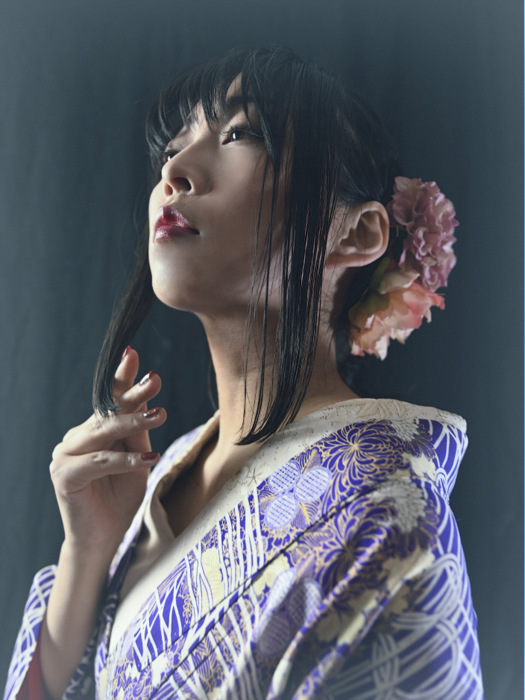
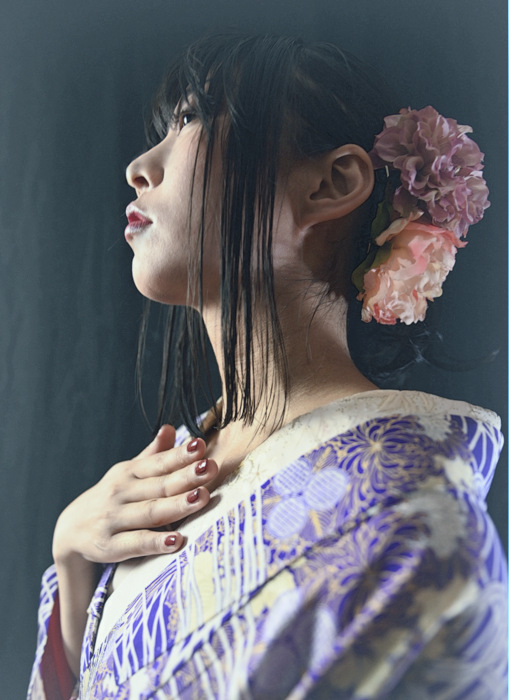
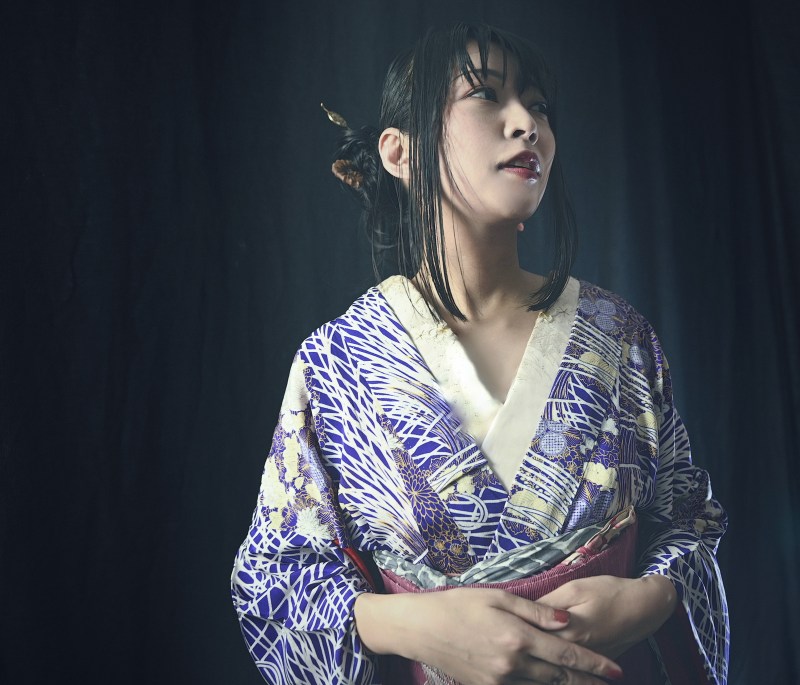
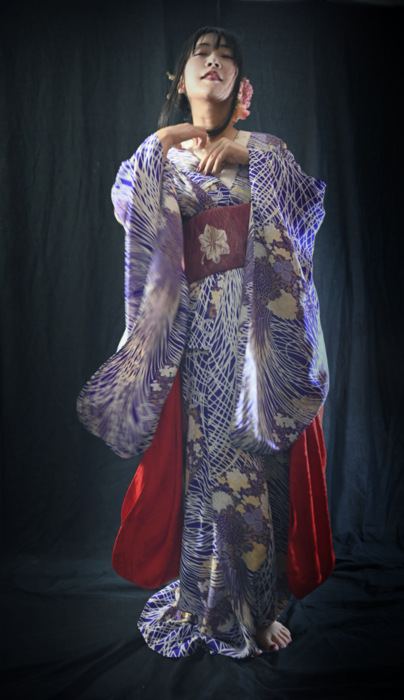
Incorporating traditional Japanese attire, such as kimono, and cultural elements, like tea ceremony tools or traditional crafts, adds depth and authenticity to portraits. These elements not only enhance the visual appeal but also provide a rich cultural context that resonates with the principles of traditional Japanese aesthetics:
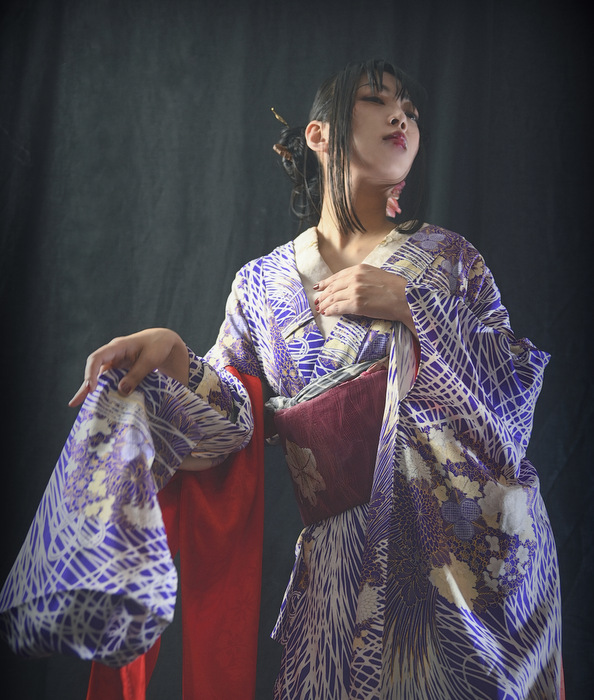
- Kimono and Attire: The intricate designs and fabrics of traditional Japanese clothing add a layer of texture and detail to portraits. The way a kimono is worn and the patterns it features can tell a story and convey the subject’s personality and heritage.
- Cultural Props: Using traditional props, such as fans, umbrellas, or calligraphy tools, can enhance the cultural narrative of the portrait. These items not only serve as visual focal points but also provide insight into the subject’s background and the cultural significance of the depicted scene.
- Traditional Settings: Photographing subjects in traditional Japanese settings, such as tea houses, temples, or gardens, immerses the viewer in the cultural ambiance. These settings provide a natural and harmonious backdrop that complements the subject and reinforces the themes of simplicity, impermanence, and beauty.
Conclusion
Traditional Japanese aesthetics offer a rich and nuanced framework for portrait photography. By embracing concepts such as wabi-sabi, mono no aware, and ma, photographers can create portraits that are not only visually stunning but also deeply evocative and culturally resonant. The integration of traditional attire, props, and settings further enhances the authenticity and emotional depth of the portraits. In this way, the timeless beauty and profound philosophy of Japanese aes

天麻音 ひぃ ☆ Hee Amane 着物
天麻音ひぃ☆リンク一覧
◆オフィシャルサイト
https://freaks.link/contents_author_detail/125/
◆YouTube ラブドラム弾き語りチャンネル
https://youtube.com/channel/UCFr5Hn2FYk0J8GS4kirJARQ
◆YouTube 着物キャンプ ひぃ☆チャンネル
https://youtube.com/channel/UCBrLOWA9FNY_obdKiQyTvew
◇Twitter: @heeamane

・

天麻音 ひぃ ☆ Hee Amane 女性の褌
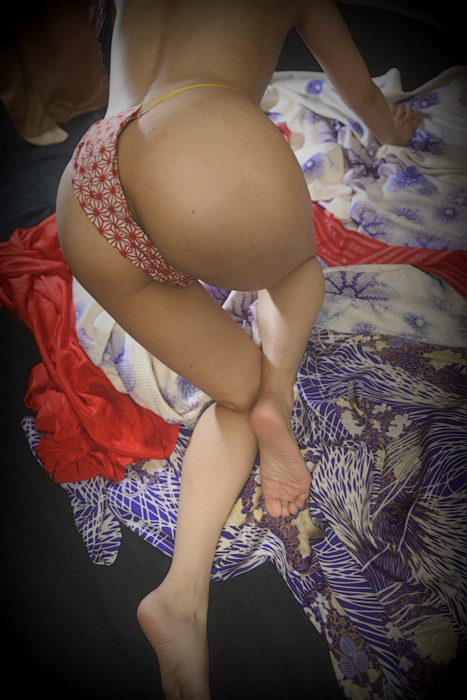
「人の性この上なき美しき」
 被写体を希望する方々へ