投稿者: Tetsuro Higashi
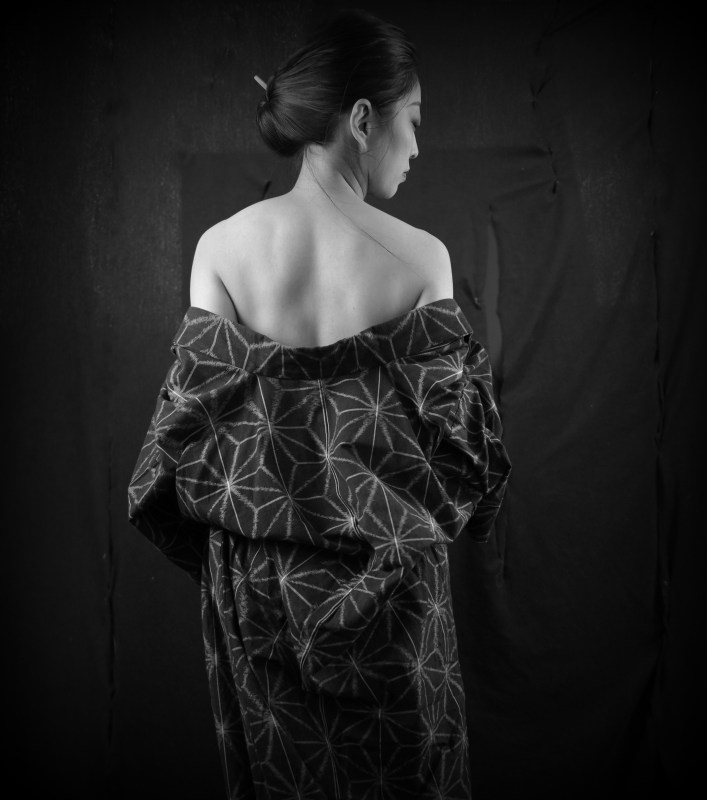
ロダンの彫刻のようなヌード写真

・
ロダンの彫刻は、その力強い表現力と人間の本質を捉える技術で広く知られています。彼の作品は、彫刻という媒体を通じて、肉体の美しさと力強さ、そして感情の深さを見事に表現しています。こうした特徴を考えると、ロダンの彫刻のようなヌード写真は、単なる裸体の撮影ではなく、芸術作品としての高い価値を持つものとなります。この記事では、ロダンの彫刻のようなヌード写真の特性、撮影の技術、そしてその芸術的価値について詳しく探求します。

・
まず、ロダンの彫刻におけるヌード表現の特性を理解することが重要です。ロダンの作品には、筋肉や皮膚の質感、そして人体の自然なポーズが巧みに再現されています。彼の作品は、人体の微細な動きや緊張感を捉えることで、まるで生きているかのようなリアリズムを持っています。これにより、観る者は作品に強く引き込まれ、単なる視覚的な美しさ以上のものを感じ取ることができます。

・
ロダンの彫刻のようなヌード写真を撮影するためには、まずモデルのポーズとその身体のラインを強調することが必要です。ロダンの作品に見られるような自然な動きと緊張感を再現するために、モデルにはリラックスしながらも意識的に体を動かしてもらうことが求められます。これは、モデル自身の身体意識と、写真家との緊密なコミュニケーションが鍵となります。

・
次に、ライティングの重要性について触れます。ロダンの彫刻は、光と影の使い方が巧妙であり、これが作品に深みと立体感を与えています。写真においても同様に、ライティングは非常に重要な要素です。光源の位置や強さを調整することで、筋肉の陰影や肌の質感を際立たせることができます。自然光を利用する場合は、時間帯や天候にも注意を払う必要があります。スタジオでの撮影では、複数のライトを使って陰影をコントロールすることが一般的です。

・
また、ロダンの彫刻のようなヌード写真では、背景の選定も重要です。シンプルで無機質な背景を選ぶことで、モデルの身体そのものに焦点を当てることができます。一方で、背景がモデルの身体と対話するような空間を作り出すことも一つのアプローチです。例えば、自然の中で撮影することで、身体と自然の調和を表現することができます。

・
また、ロダンの彫刻のようなヌード写真では、背景の選定も重要です。シンプルで無機質な背景を選ぶことで、モデルの身体そのものに焦点を当てることができます。一方で、背景がモデルの身体と対話するような空間を作り出すことも一つのアプローチです。例えば、自然の中で撮影することで、身体と自然の調和を表現することができます。

・
撮影後の編集作業もまた、ロダンの彫刻のような効果を出すために重要なプロセスです。現代の写真編集ソフトウェアを用いることで、肌の質感を調整したり、ライティングの効果を強調したりすることができます。ただし、編集の際には自然な感じを損なわないように注意が必要です。過度な編集は、作品のリアリズムを失わせる可能性があります。
最後に、ロダンの彫刻のようなヌード写真が持つ芸術的価値について考えてみましょう。これらの写真は、単に身体の美しさを捉えるだけでなく、モデルの内面の感情や個性をも表現することが求められます。ロダンの作品がそうであるように、ヌード写真もまた、観る者に強い感動を与え、人間の本質について深く考えさせる力を持っています。このような写真は、芸術作品としての高い評価を受けるとともに、社会におけるヌード表現の理解と受容を促進する役割も果たします。

・
総じて、ロダンの彫刻のようなヌード写真を撮影することは、技術的なスキルと芸術的な感性の両方が求められる挑戦的な作業です。しかし、その結果として得られる作品は、見る者に強い印象を与え、深い感動をもたらすことでしょう。ロダンの彫刻が時代を超えて愛され続けているように、その精神を受け継いだヌード写真もまた、長く記憶に残る芸術作品として評価されることでしょう。

tef
The Relationship Between Nature and Humanity: A Philosophical Inquiry

Photo : in Okutama 2019.12
Introduction
The relationship between nature and humanity has been a subject of philosophical contemplation for centuries. From ancient mythologies and religious texts to modern environmental ethics, the dynamic interplay between humans and the natural world has inspired diverse perspectives. This essay explores the philosophical dimensions of this relationship, examining how different traditions and thinkers have conceptualized nature and humanity, the ethical implications of our interactions with the environment, and the contemporary challenges we face in fostering a sustainable coexistence.

Ancient Philosophies: Harmony and Dominion
In many ancient cultures, nature was revered and considered sacred. Indigenous traditions often viewed the natural world as a living entity, imbued with spiritual significance. For instance, Native American philosophies emphasize the interconnectedness of all life forms and the importance of living in harmony with nature. Similarly, Eastern philosophies like Taoism and Buddhism advocate for a deep respect for nature, seeing humans as part of a larger, interdependent ecosystem.
In contrast, Western philosophical traditions have often depicted nature as something to be controlled and mastered. The Judeo-Christian tradition, as interpreted in the Book of Genesis, grants humans dominion over nature, encouraging its exploitation for human benefit. This perspective laid the groundwork for the development of science and technology, which enabled humans to manipulate and transform their environment on an unprecedented scale.

Enlightenment and the Rise of Modernity
The Enlightenment era brought about a significant shift in the human-nature relationship. Philosophers like René Descartes and Francis Bacon championed a mechanistic view of the natural world, emphasizing the use of reason and empirical methods to understand and control nature. Descartes’ famous dictum, “I think, therefore I am,” underscores the separation of the human mind from the natural world, positioning humans as distinct and superior beings.
This mechanistic and anthropocentric view justified the industrial revolution’s exploitation of natural resources, leading to significant environmental degradation. The belief in human progress and the potential for limitless growth overshadowed concerns about the long-term impacts on the planet. As a result, the modern era has been marked by a growing estrangement from nature, manifesting in urbanization, pollution, and the depletion of natural habitats.

Romanticism and the Reassertion of Nature’s Value
In reaction to the industrial revolution’s excesses, the Romantic movement of the 18th and 19th centuries sought to reestablish a connection with nature. Romantic poets and philosophers like William Wordsworth, Ralph Waldo Emerson, and Henry David Thoreau celebrated the beauty and sublimity of the natural world. They criticized the dehumanizing effects of industrialization and advocated for a return to a simpler, more harmonious way of life.
Thoreau’s experiment at Walden Pond epitomizes the Romantic ideal of living in close communion with nature. His writings reflect a deep appreciation for the intrinsic value of the natural world and a recognition of the moral and spiritual benefits of such a relationship. This perspective laid the foundation for modern environmentalism, emphasizing the need to preserve and protect nature for its own sake, rather than merely for its utility to humans.

Environmental Ethics and the Question of Sustainability
The 20th century saw the emergence of environmental ethics as a distinct philosophical field. Thinkers like Aldo Leopold, Rachel Carson, and Arne Naess developed new frameworks for understanding our moral obligations to the environment. Leopold’s “land ethic” proposes that humans should see themselves as part of a larger ecological community, with responsibilities to maintain the health and integrity of the land. Carson’s seminal work, “Silent Spring,” highlighted the detrimental effects of pesticides on the environment, sparking the modern environmental movement.
Arne Naess, the founder of deep ecology, argued for a radical shift in our perception of nature. He advocated for an ecocentric worldview, where the intrinsic value of all living beings is recognized, and humans are seen as one species among many. This perspective challenges the anthropocentric biases that have historically dominated Western thought and calls for a profound rethinking of our relationship with the natural world.

Contemporary Challenges and the Future of Human-Nature Relations
Today, the relationship between nature and humanity is at a critical juncture. Climate change, biodiversity loss, and environmental pollution pose existential threats to both the planet and human civilization. The Anthropocene, a term used to describe the current geological epoch characterized by significant human impact on the Earth, underscores the urgency of addressing these issues.
Philosophers and environmentalists argue that a sustainable future requires a fundamental transformation in how we perceive and interact with nature. This involves embracing principles of sustainability, resilience, and ecological justice. It also calls for an integration of indigenous knowledge systems and a recognition of the rights of nature, as seen in legal innovations like Ecuador’s constitutional recognition of the rights of Mother Earth.

Conclusion
The philosophical exploration of the relationship between nature and humanity reveals a complex and evolving interplay. From ancient reverence to modern exploitation, and from Romantic appreciation to contemporary environmental ethics, our understanding of this relationship has undergone significant changes. As we face unprecedented environmental challenges, it is imperative to draw on diverse philosophical traditions to foster a more sustainable and harmonious coexistence with the natural world. By reimagining our place within the broader ecological community, we can work towards a future that respects and preserves the intricate web of life that sustains us all.
Title: “Nature and Nudity: Contrasts between Japanese Traditional Culture and Western Interpretations”
The Beauty of Capturing Nudity in Silence

・
The Beauty of Capturing Nudity in Silence
In the realm of photography, the interplay between subject and environment is crucial, often dictating the emotional and aesthetic impact of the image. One of the most profound subjects to capture is the human form in its most vulnerable state: nudity. When set against the backdrop of silence, this form can evoke a unique sense of tranquility and introspection, allowing both the photographer and the viewer to engage with the image on a deeper level.
The Beauty of Capturing Nudity in Silence
Backlighting in Nude Photography: An Artistic Exploration

・
Backlighting in Nude Photography: An Artistic Exploration
Backlighting in nude photography is a captivating technique that harnesses the interplay of light and shadow to create ethereal, intimate, and evocative images. This artistic approach involves positioning the light source behind the subject, which can result in a wide range of visual effects from soft, glowing outlines to dramatic silhouettes. This essay delves into the intricacies of backlighting in nude photography, discussing its aesthetic potential, technical considerations, and the creative possibilities it offers photographers.
The Aesthetic Appeal of Backlighting
Backlighting can transform a photograph into a piece of fine art. When the light source is placed behind the subject, it often creates a halo effect that enhances the subject’s contours, adding depth and dimension. This technique is particularly effective in nude photography, where the human form is the primary focus. The light can highlight the curves and natural lines of the body, creating a visually compelling composition that draws the viewer’s eye.
One of the most striking aesthetic benefits of backlighting is the creation of a silhouette. Silhouettes strip away the details, leaving only the shape and outline of the subject. This can evoke a sense of mystery and timelessness, emphasizing the form over the individual characteristics of the model. In nude photography, silhouettes can be powerful, as they abstract the human body, allowing viewers to appreciate the form in a pure and unembellished state.
Technical Considerations
Achieving the desired effect with backlighting requires careful planning and execution. One of the primary challenges is managing the exposure. Since the light source is behind the subject, the front of the subject can easily become underexposed, resulting in a loss of detail. Photographers often need to adjust their camera settings, such as increasing the exposure compensation or using fill flash, to balance the light.
Another crucial factor is the placement and intensity of the light source. Natural light, particularly sunlight during the golden hours (shortly after sunrise or before sunset), can be ideal for backlighting. The soft, warm light during these times can create beautiful highlights and a natural glow. However, artificial lighting can also be used effectively. The key is to experiment with different angles and distances to see how the light interacts with the subject.
Lens flare is another consideration in backlighting. While it is often seen as a flaw, lens flare can be used creatively to add a dreamy or surreal quality to the image. Photographers can experiment with different lenses and apertures to control the appearance of lens flare. Using a lens hood or strategically blocking the light source with a hand or object can also help manage unwanted flares.
Creative Possibilities
Backlighting opens up a myriad of creative possibilities in nude photography. One such possibility is the creation of rim lighting, where the edges of the subject are illuminated, creating a distinct outline. This technique can add a dramatic effect to the image, accentuating the shape and movement of the body. Rim lighting works particularly well in monochrome photography, where the contrast between light and shadow can be striking.
Another creative approach is to combine backlighting with other lighting techniques. For instance, using a secondary light source in front of the subject can help reveal details that would otherwise be lost. This combination can result in a balanced exposure while still maintaining the ethereal quality of backlighting. Reflectors can also be used to bounce light back onto the subject, softening shadows and adding a natural glow.
In addition to lighting, the environment plays a significant role in backlit nude photography. Outdoor settings, such as forests, beaches, or fields, offer natural light sources that can be harnessed for stunning backlit images. The interplay of natural elements like foliage, water, and mist with the backlighting can add layers of texture and interest to the composition. Indoor settings with large windows or light streaming through doorways can also provide beautiful backlighting opportunities.
The Emotional Impact
Beyond the technical and aesthetic aspects, backlighting in nude photography can have a profound emotional impact. The way light interacts with the human form can evoke various moods and feelings. Soft, diffused backlighting can create a sense of serenity and tenderness, while harsher, more direct backlighting can convey drama and intensity. The emotional tone of the image is influenced by factors such as the pose of the model, the setting, and the overall composition.
Backlit nude photography can also convey a sense of vulnerability and intimacy. The partial illumination of the body, with some areas in shadow and others highlighted, can suggest a hidden or private moment. This intimacy can be powerful, drawing viewers into the image and encouraging them to engage with the subject on a deeper level.
Conclusion
Backlighting in nude photography is a versatile and powerful technique that can elevate the artistry of an image. By carefully managing the light source and considering the interplay of light and shadow, photographers can create stunning compositions that highlight the beauty and form of the human body. The aesthetic appeal, technical considerations, and creative possibilities of backlighting make it a valuable tool in the photographer’s repertoire. Ultimately, backlighting allows photographers to explore new dimensions of expression and to convey the delicate interplay between light and the human form in a uniquely captivating way.
tefa
Ferenc Snétberger | Solo 2023
・
Ferenc Snétbergerの「Solo 2023」を聴いた感想は、非常に感動的で心に響くものでした。
まず、彼のギター演奏技術は卓越しており、一音一音に深い情感が込められています。指の動きが滑らかで、まるでギターと一体化しているかのようです。クラシックギターの伝統的な技法と、ジャズやブラジル音楽の影響が絶妙にブレンドされており、独自のスタイルが確立されています。
曲の構成も素晴らしく、多様なリズムとメロディが巧みに組み合わされており、聴く者を飽きさせません。特に、即興演奏の部分は圧巻で、彼の創造性と瞬発力が際立っています。緩急のつけ方やダイナミクスの使い方も見事で、聴く者の心を揺さぶります。
また、音色の美しさにも特筆すべき点があります。ギターの温かみのある音色が、彼の演奏によってさらに引き立てられ、聴く者に深いリラックス感と安らぎを与えます。録音の質も高く、ギターの細やかなニュアンスが余すところなく捉えられており、まるでその場で生演奏を聴いているかのような臨場感があります。
総じて、Ferenc Snétbergerの「Solo 2023」は、ギター音楽の真髄を体現した傑作です。彼の卓越した演奏技術と深い音楽的洞察力が融合し、聴く者を魅了し続ける作品となっています。ギター音楽を愛するすべての人にぜひ聴いてもらいたい一枚です。
*観る側が自分の感性で形創るもの・・

If you’re interested in body painting, this page would be helpful to refer to. Use non-toxic paints and pigments. Avoid trust issues with 100-yen store paints; it’s better to use domestically produced children’s watercolor paints, as they’re safe even if licked or swallowed, considering they’re intended for children. Also, avoid expensive paints, as they might contain toxic pigments.
In my case, both the model and I handle everything from painting to photography, so we plan everything in advance for smooth execution. It’s best if the model stands in a pose with arms and legs spread, making it easier to paint the entire body. Expect it to take at least an hour to paint the whole body thoroughly, which is still quite fast. Take photos quickly without breaks; as the paint starts to dry, it may peel off the skin, so swift photography is crucial. Additionally, prepare a mixture of cornstarch and hot water in advance to thicken it, then mix in pigments for easy cleanup after the shoot. Using paint directly can stain the skin and make removal difficult, so be cautious.
ポージングにタブーはない Megumi
Nude Art Duo Anri & Yu Vo.1

・