Web gallery – Sucong photography In the heart of Chengdu


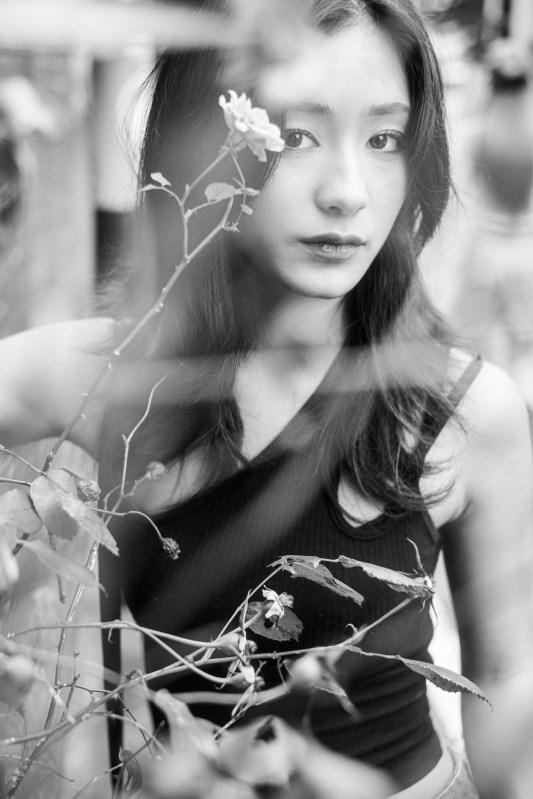
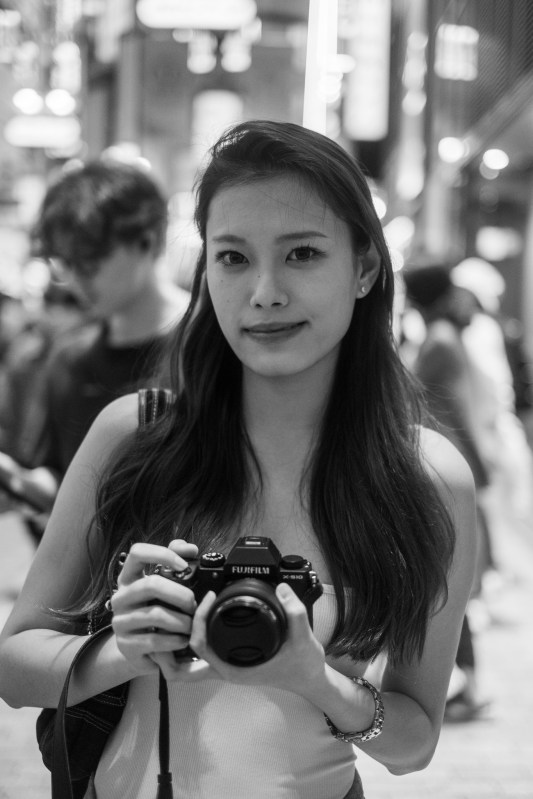
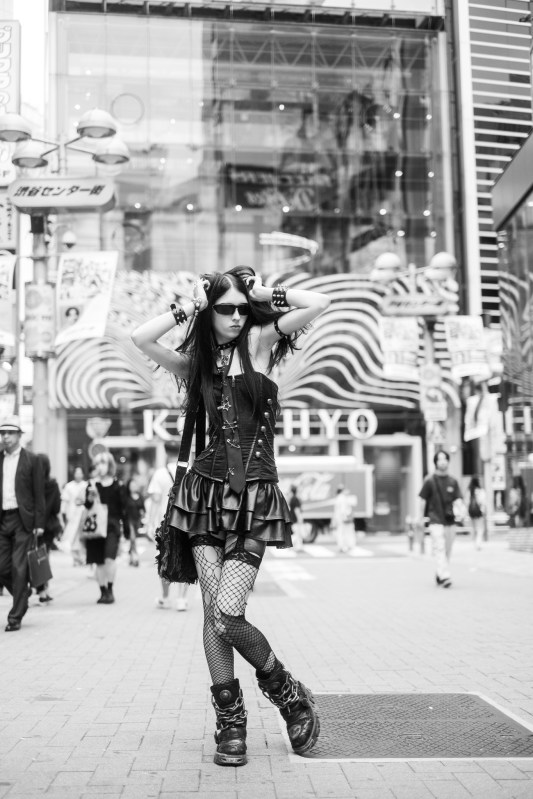
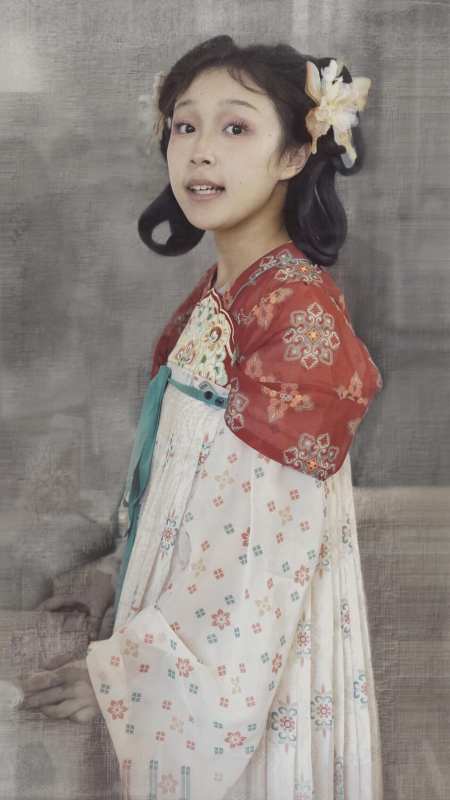
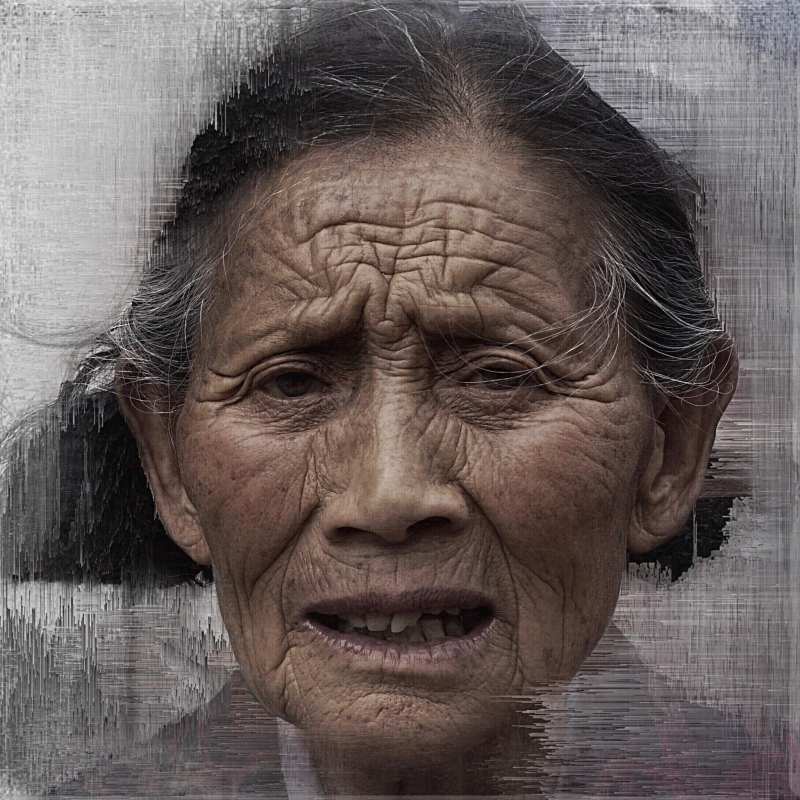
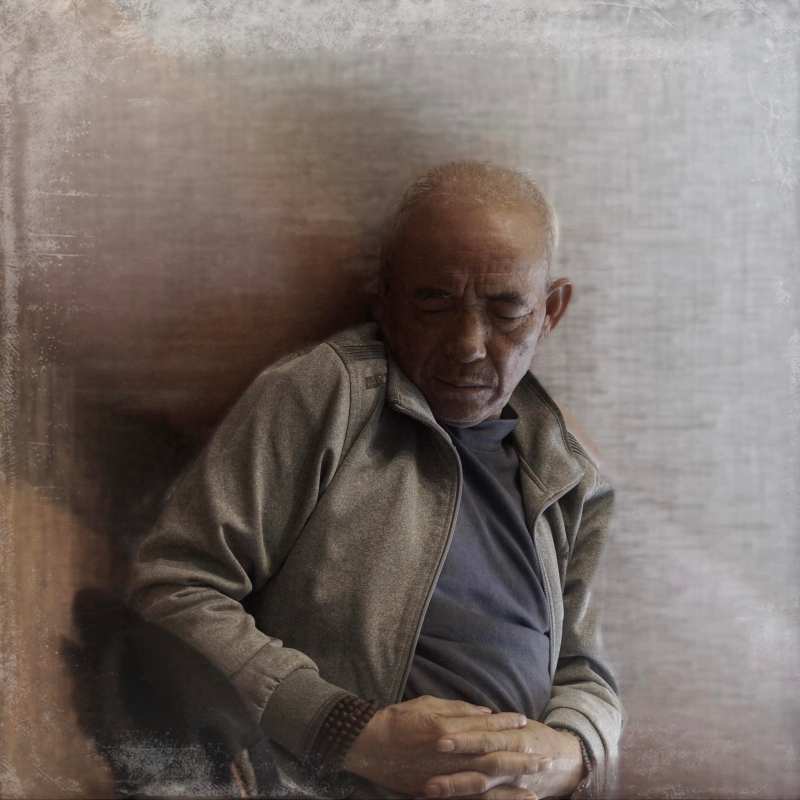
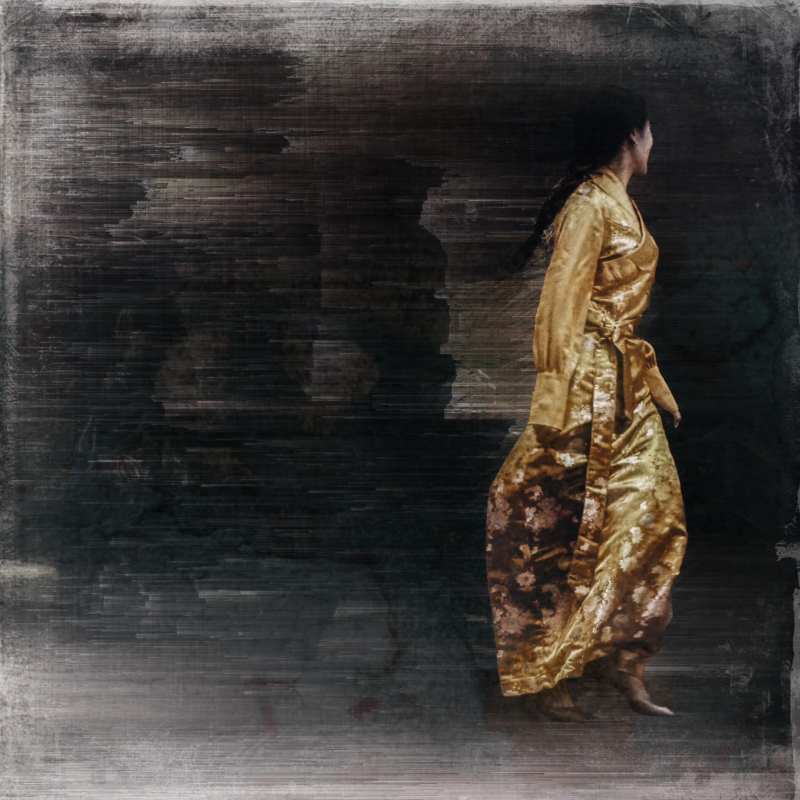
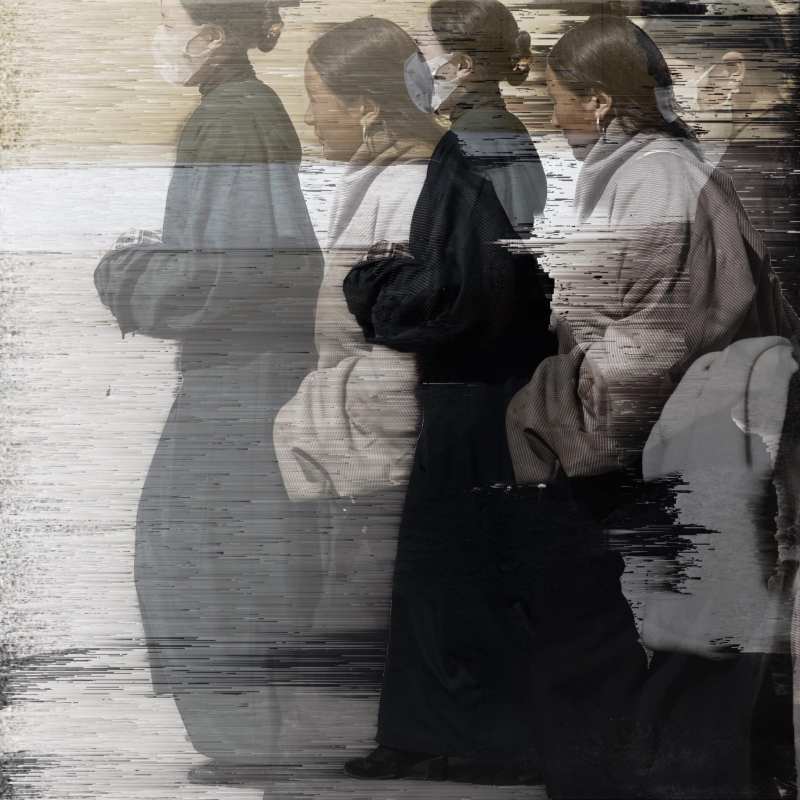
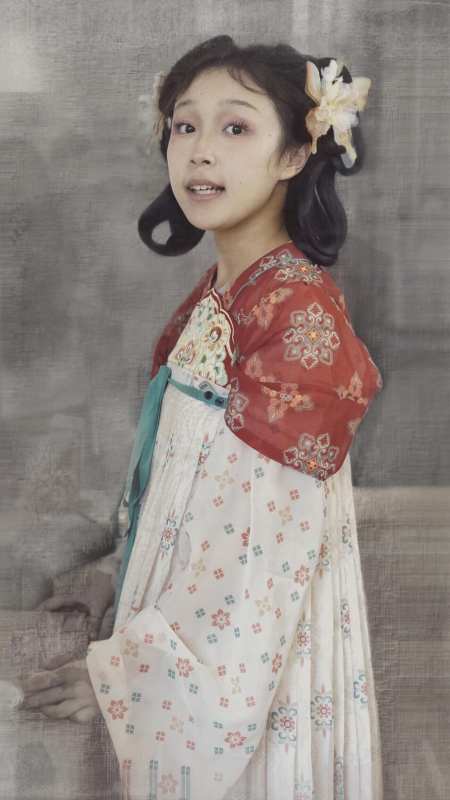
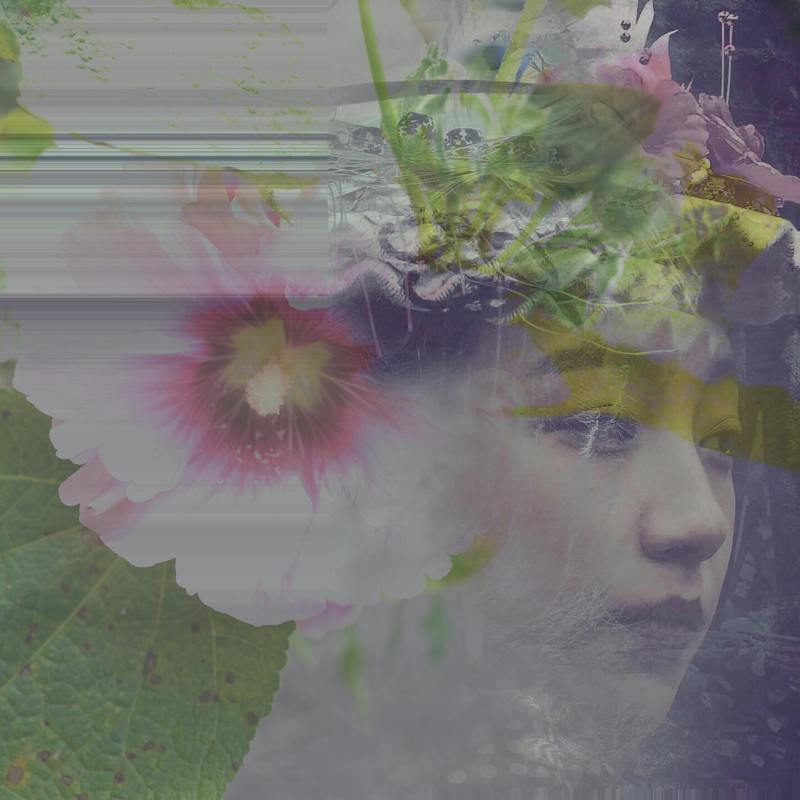
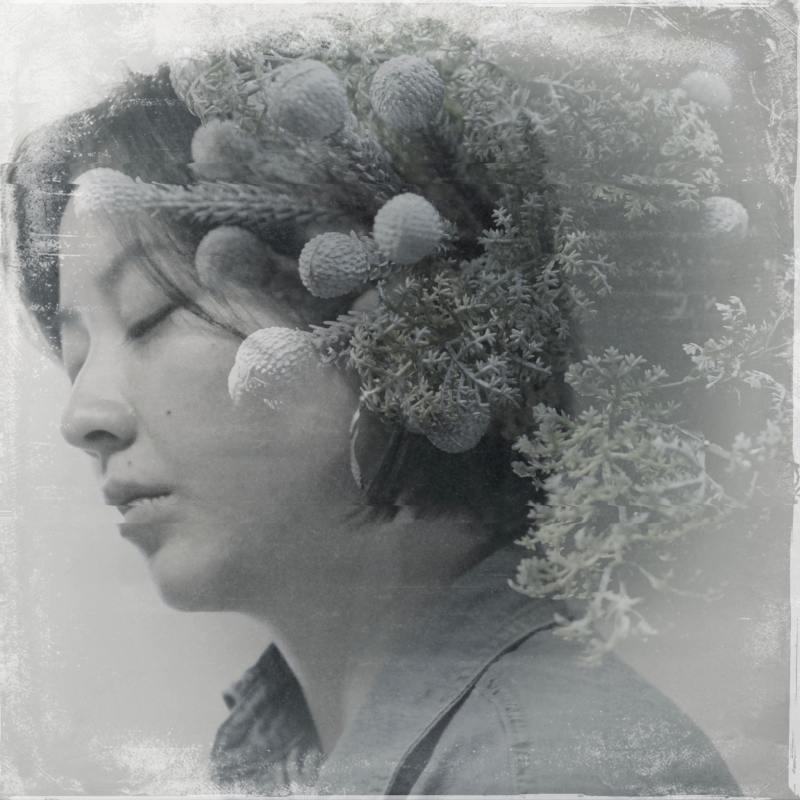
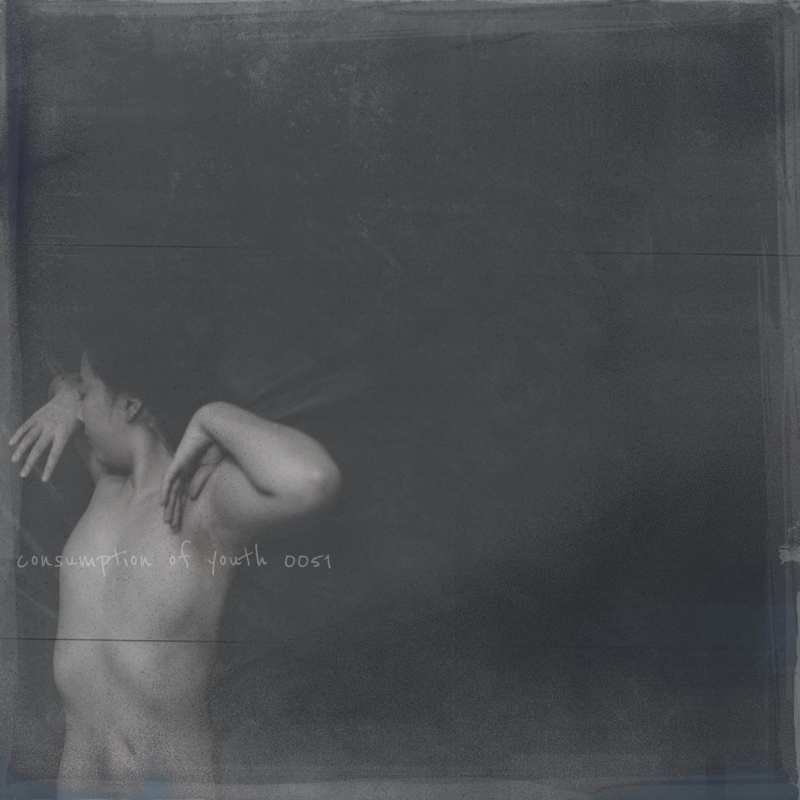
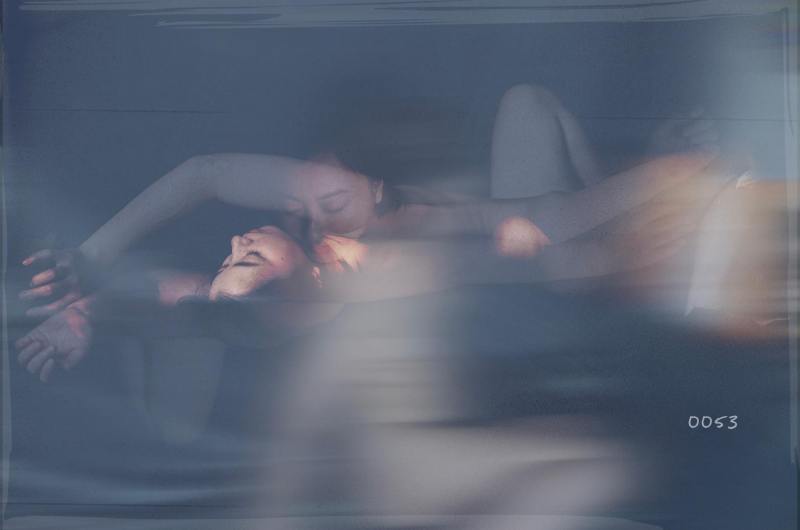
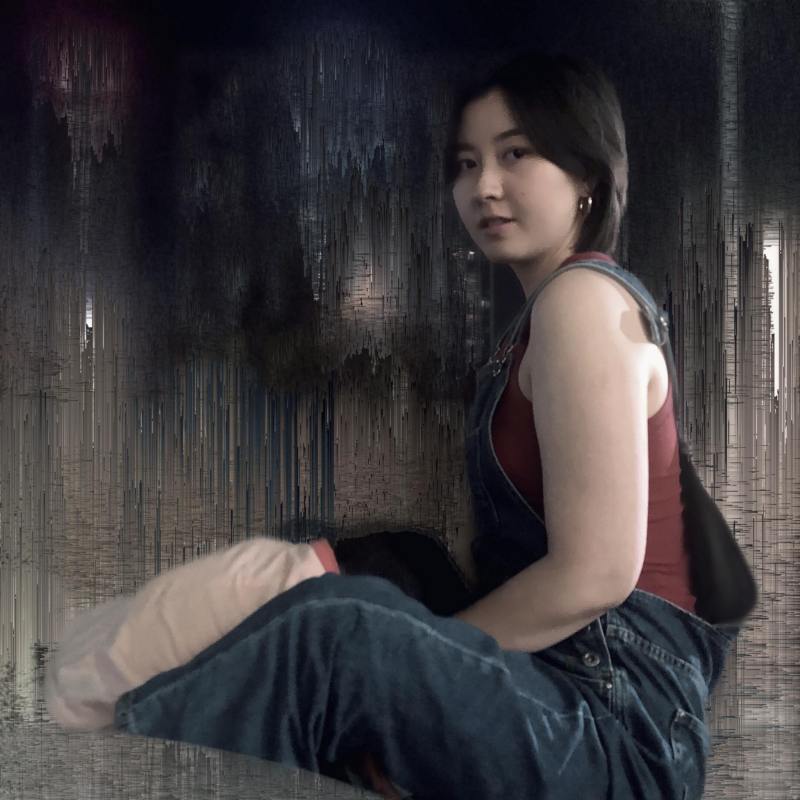
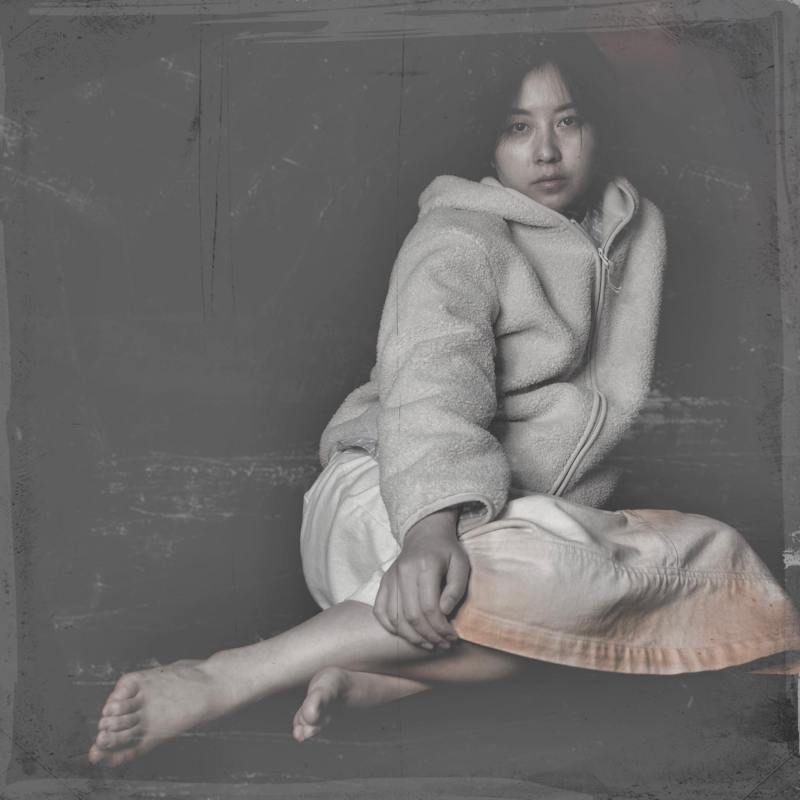
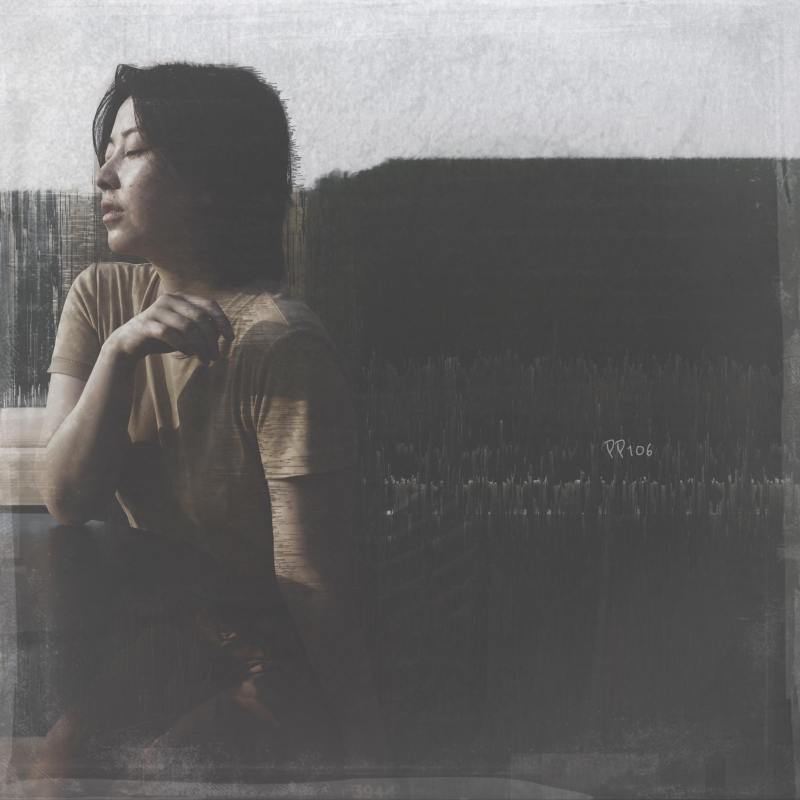
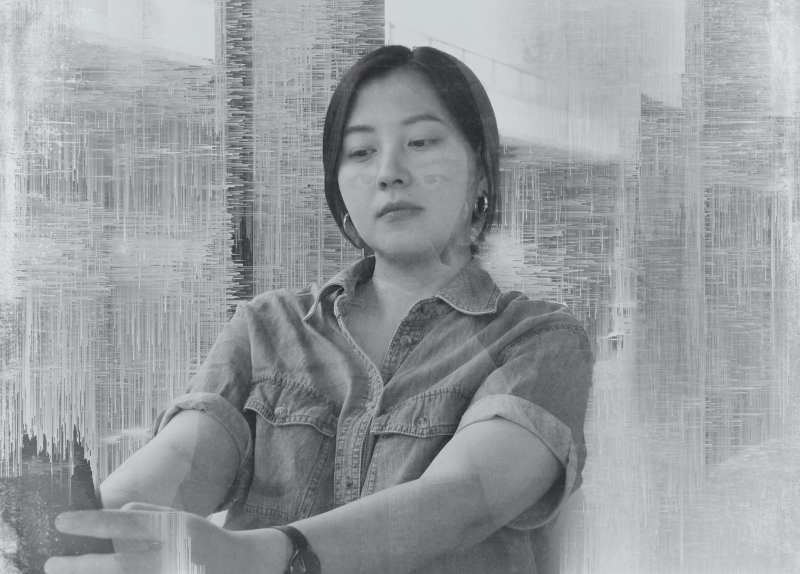
In the heart of Chengdu, a city renowned for its rich history and vibrant traditions, resides a photographer whose work transcends the ordinary and captures the essence of Chinese culture in a truly unique way. This artist’s portfolio is a testament to the seamless blend of historical depth and contemporary vision, creating a distinctive narrative that is both visually stunning and profoundly evocative.


Chengdu, often celebrated for its ancient temples, traditional teahouses, and the enigmatic beauty of the Sichuan countryside, provides an ideal backdrop for this photographer’s work. Through their lens, the city’s bustling streets and serene landscapes transform into a canvas where history and modernity coexist in harmony. The photographer’s images are not merely representations of Chengdu; they are an immersive experience into the soul of the city.

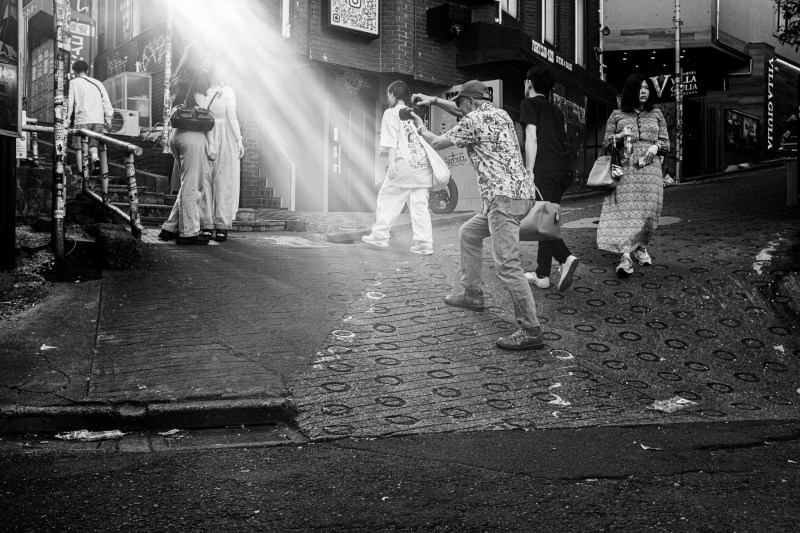
Their work is marked by a deep appreciation for China’s historical and cultural heritage. Each photograph tells a story, drawing from the rich tapestry of Chengdu’s past and its vibrant present. From the intricate details of traditional architecture to the candid moments of daily life, their images reveal a profound connection to the cultural fabric of the region. The photographer’s keen eye captures the subtle nuances of Chinese traditions, offering a window into the time-honored practices that continue to shape contemporary life.

One of the defining characteristics of this photographer’s style is their ability to evoke a sense of place. The images are imbued with a timeless quality, making the viewer feel as though they are stepping into a different era. This is achieved through a meticulous attention to detail and a mastery of composition, which together create a visual narrative that is both compelling and authentic.

The photographer’s work stands out not only for its artistic merit but also for its cultural significance. By focusing on themes and subjects that are deeply rooted in Chengdu’s history, they provide a fresh perspective on aspects of Chinese culture that might otherwise go unnoticed. Their images are a celebration of the city’s unique identity, highlighting the beauty and complexity of a place that has been a crossroads of history and tradition for centuries.

In essence, this Chengdu-based photographer offers more than just images; they offer a profound exploration of cultural heritage through the lens of modern photography. Their work is a celebration of Chengdu’s past and present, a visual ode to a city that remains a living testament to China’s rich history and enduring traditions.
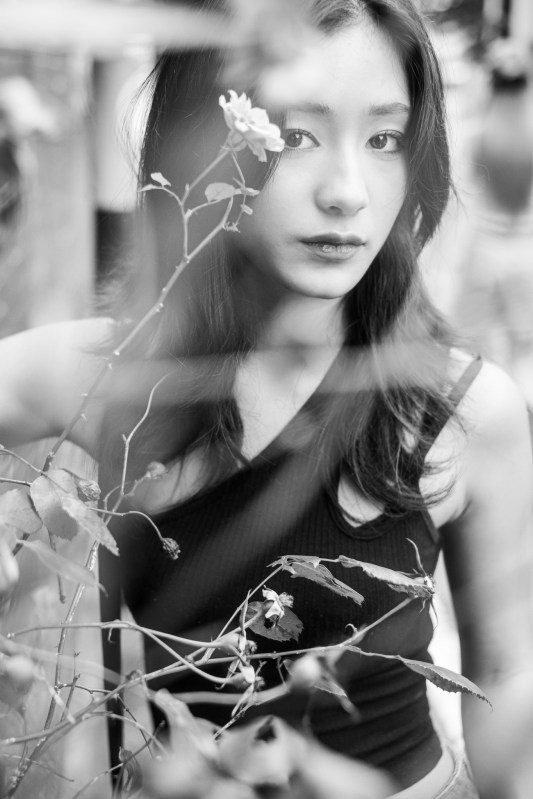

Web gallery – Sucong photography Loved people

Web gallery – Sucong photography In the heart of Chengdu


In the heart of Chengdu, a city renowned for its rich history and vibrant traditions, resides a photographer whose work transcends the ordinary and captures the essence of Chinese culture in a truly unique way. This artist’s portfolio is a testament to the seamless blend of historical depth and contemporary vision, creating a distinctive narrative that is both visually stunning and profoundly evocative.


Chengdu, often celebrated for its ancient temples, traditional teahouses, and the enigmatic beauty of the Sichuan countryside, provides an ideal backdrop for this photographer’s work. Through their lens, the city’s bustling streets and serene landscapes transform into a canvas where history and modernity coexist in harmony. The photographer’s images are not merely representations of Chengdu; they are an immersive experience into the soul of the city.

Their work is marked by a deep appreciation for China’s historical and cultural heritage. Each photograph tells a story, drawing from the rich tapestry of Chengdu’s past and its vibrant present. From the intricate details of traditional architecture to the candid moments of daily life, their images reveal a profound connection to the cultural fabric of the region. The photographer’s keen eye captures the subtle nuances of Chinese traditions, offering a window into the time-honored practices that continue to shape contemporary life.

One of the defining characteristics of this photographer’s style is their ability to evoke a sense of place. The images are imbued with a timeless quality, making the viewer feel as though they are stepping into a different era. This is achieved through a meticulous attention to detail and a mastery of composition, which together create a visual narrative that is both compelling and authentic.

The photographer’s work stands out not only for its artistic merit but also for its cultural significance. By focusing on themes and subjects that are deeply rooted in Chengdu’s history, they provide a fresh perspective on aspects of Chinese culture that might otherwise go unnoticed. Their images are a celebration of the city’s unique identity, highlighting the beauty and complexity of a place that has been a crossroads of history and tradition for centuries.

In essence, this Chengdu-based photographer offers more than just images; they offer a profound exploration of cultural heritage through the lens of modern photography. Their work is a celebration of Chengdu’s past and present, a visual ode to a city that remains a living testament to China’s rich history and enduring traditions.

Web gallery – Sucong photography Loved people

Offers a unique and timeless approach to capturing the world.

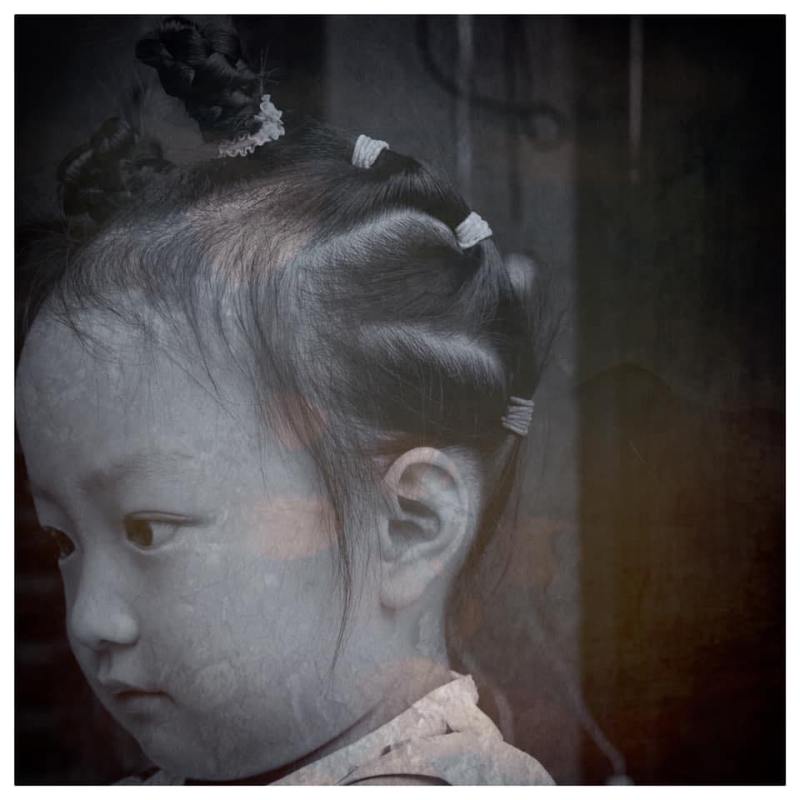
Monochrome photography, often synonymous with black and white photography, offers a unique and timeless approach to capturing the world. By stripping away color, monochrome images focus the viewer’s attention on the composition, contrast, texture, and light. This guide explores the joys and techniques of monochrome photography, from its aesthetic appeal to practical tips for creating stunning black-and-white images.

The Aesthetic Appeal of Monochrome Photography

  1. Simplicity and Focus: Without the distraction of color, monochrome photography emphasizes shapes, lines, and forms. This simplicity can lead to more powerful and poignant imagery. The absence of color challenges the viewer to interpret the scene through shades of gray and varying contrasts, often resulting in a more profound emotional impact.
  2. Enhanced Contrast: Monochrome photography excels in showcasing contrast. The play between light and dark areas becomes more pronounced, allowing for dramatic compositions. High contrast images can evoke a sense of drama and intensity, while low contrast images can convey subtlety and tranquility.
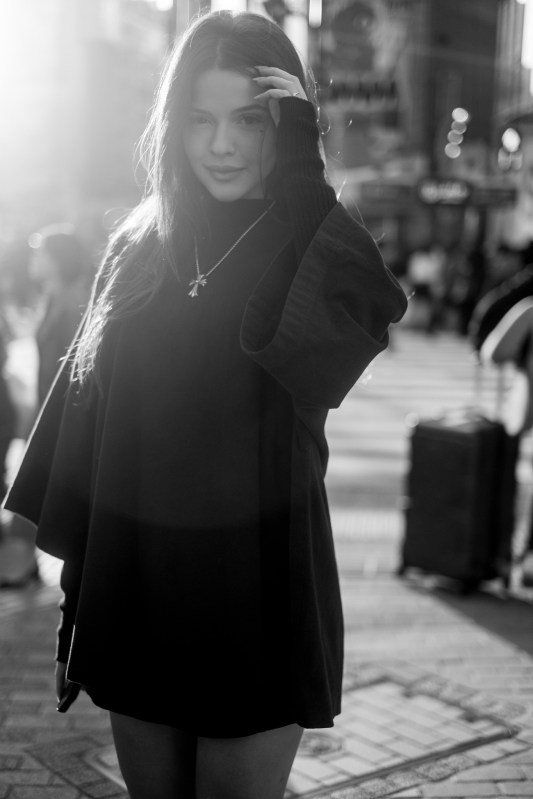
  3. Timelessness: Black-and-white images often carry a classic, timeless quality. They can evoke a sense of nostalgia and elegance, making them suitable for various subjects, from portraits to landscapes. This timeless appeal is partly why monochrome photography continues to be popular despite advances in color imaging.
  4. Highlighting Textures: Textures become more prominent in monochrome images. The interplay of light and shadow accentuates the texture of surfaces, such as the roughness of a wall or the smoothness of a skin. This can add depth and interest to the photograph, making it more engaging.

Techniques for Capturing Stunning Monochrome Images

  1. Understand Light and Shadow: Since monochrome photography relies heavily on contrast, understanding how light interacts with your subject is crucial. Pay attention to how shadows and highlights define shapes and textures. Experiment with different lighting conditions to see how they affect the mood and composition of your images.
  2. Use Filters and Post-Processing: While capturing monochrome images in-camera is an option, post-processing can offer additional control over the final look. Convert color images to black and white using software like Adobe Lightroom or Photoshop. Adjusting contrast, brightness, and tonality can help achieve the desired effect. Filters, such as red or yellow, can enhance contrast and detail in black-and-white photos.
  3. Focus on Composition: Composition is vital in monochrome photography. Since you’re not relying on color to create visual interest, focus on elements such as lines, shapes, and patterns. Use compositional techniques like leading lines, rule of thirds, and framing to create a visually compelling image.
  4. Experiment with Different Subjects: Monochrome photography can be applied to a wide range of subjects. Experiment with various themes, such as portraits, landscapes, street photography, and still life. Each subject can offer different opportunities for exploring the nuances of light, shadow, and texture.
  5. Explore Different Grayscale Ranges: Pay attention to the grayscale range in your images. Ensure you have a good distribution of whites, blacks, and grays to create a balanced and dynamic photograph. Avoid images that are too flat or lack contrast by adjusting your exposure settings and post-processing techniques.
  6. Study Monochrome Masters: Learning from the work of renowned monochrome photographers can provide inspiration and insight. Explore the works of Ansel Adams, Dorothea Lange, and Henri Cartier-Bresson to understand how they used light, composition, and contrast to create powerful black-and-white images.

Practical Tips for Creating Effective Monochrome Photos

  1. Shoot in RAW: When shooting in monochrome, consider using RAW format to retain the maximum amount of detail and flexibility in post-processing. RAW files allow for more precise adjustments to contrast, exposure, and grayscale levels.
  2. Use a Monochrome Mode: Some cameras have a monochrome shooting mode that can help you visualize the final result. This mode provides a black-and-white preview, allowing you to better gauge how your scene will translate into monochrome.
  3. Pay Attention to Light Sources: Different light sources can affect the mood and quality of your monochrome images. Natural light, artificial light, and even the time of day can change how shadows and highlights appear in your photos. Experiment with different lighting conditions to see how they impact your images.
  4. Practice Patience: Creating stunning monochrome images often requires patience and experimentation. Take the time to observe how light and shadow play on your subject and how different compositions affect the overall impact of the photograph.

The Aesthetic Appeal of Monochrome Photography

  1. Simplicity and Focus: Without the distraction of color, monochrome photography emphasizes shapes, lines, and forms. This simplicity can lead to more powerful and poignant imagery. The absence of color challenges the viewer to interpret the scene through shades of gray and varying contrasts, often resulting in a more profound emotional impact.
  2. Enhanced Contrast: Monochrome photography excels in showcasing contrast. The play between light and dark areas becomes more pronounced, allowing for dramatic compositions. High contrast images can evoke a sense of drama and intensity, while low contrast images can convey subtlety and tranquility.
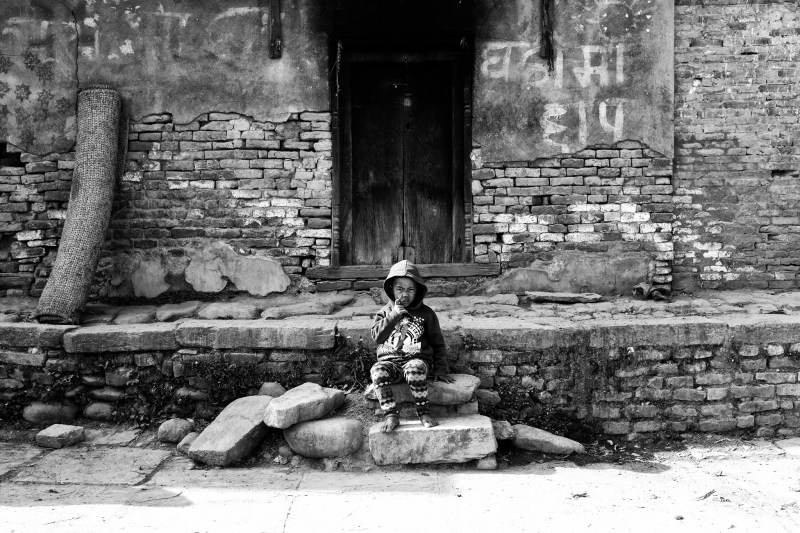
  3. Timelessness: Black-and-white images often carry a classic, timeless quality. They can evoke a sense of nostalgia and elegance, making them suitable for various subjects, from portraits to landscapes. This timeless appeal is partly why monochrome photography continues to be popular despite advances in color imaging.
  4. Highlighting Textures: Textures become more prominent in monochrome images. The interplay of light and shadow accentuates the texture of surfaces, such as the roughness of a wall or the smoothness of a skin. This can add depth and interest to the photograph, making it more engaging.

Techniques for Capturing Stunning Monochrome Images

  1. Understand Light and Shadow: Since monochrome photography relies heavily on contrast, understanding how light interacts with your subject is crucial. Pay attention to how shadows and highlights define shapes and textures. Experiment with different lighting conditions to see how they affect the mood and composition of your images.
  2. Use Filters and Post-Processing: While capturing monochrome images in-camera is an option, post-processing can offer additional control over the final look. Convert color images to black and white using software like Adobe Lightroom or Photoshop. Adjusting contrast, brightness, and tonality can help achieve the desired effect. Filters, such as red or yellow, can enhance contrast and detail in black-and-white photos.
  3. Focus on Composition: Composition is vital in monochrome photography. Since you’re not relying on color to create visual interest, focus on elements such as lines, shapes, and patterns. Use compositional techniques like leading lines, rule of thirds, and framing to create a visually compelling image.
  4. Experiment with Different Subjects: Monochrome photography can be applied to a wide range of subjects. Experiment with various themes, such as portraits, landscapes, street photography, and still life. Each subject can offer different opportunities for exploring the nuances of light, shadow, and texture.
  5. Explore Different Grayscale Ranges: Pay attention to the grayscale range in your images. Ensure you have a good distribution of whites, blacks, and grays to create a balanced and dynamic photograph. Avoid images that are too flat or lack contrast by adjusting your exposure settings and post-processing techniques.
  6. Study Monochrome Masters: Learning from the work of renowned monochrome photographers can provide inspiration and insight. Explore the works of Ansel Adams, Dorothea Lange, and Henri Cartier-Bresson to understand how they used light, composition, and contrast to create powerful black-and-white images.

Practical Tips for Creating Effective Monochrome Photos

  1. Shoot in RAW: When shooting in monochrome, consider using RAW format to retain the maximum amount of detail and flexibility in post-processing. RAW files allow for more precise adjustments to contrast, exposure, and grayscale levels.
  2. Use a Monochrome Mode: Some cameras have a monochrome shooting mode that can help you visualize the final result. This mode provides a black-and-white preview, allowing you to better gauge how your scene will translate into monochrome.
  3. Pay Attention to Light Sources: Different light sources can affect the mood and quality of your monochrome images. Natural light, artificial light, and even the time of day can change how shadows and highlights appear in your photos. Experiment with different lighting conditions to see how they impact your images.
  4. Practice Patience: Creating stunning monochrome images often requires patience and experimentation. Take the time to observe how light and shadow play on your subject and how different compositions affect the overall impact of the photograph.

Conclusion

Monochrome photography offers a rich and rewarding way to explore the art of visual storytelling. By focusing on light, contrast, and composition, you can create images that are both striking and timeless. Embrace the challenge of capturing the world in shades of gray, and you may discover a new dimension to your photographic practice. Whether you’re shooting portraits, landscapes, or abstract compositions, monochrome photography allows you to distill your subjects to their most essential elements, revealing the beauty and depth that might otherwise be overlooked.

Offers a unique and timeless approach to capturing the world

Monochrome photography, often synonymous with black and white photography, offers a unique and timeless approach to capturing the world. By stripping away color, monochrome images focus the viewer’s attention on the composition, contrast, texture, and light. This guide explores the joys and techniques of monochrome photography, from its aesthetic appeal to practical tips for creating stunning black-and-white images.

The Aesthetic Appeal of Monochrome Photography

  1. Simplicity and Focus: Without the distraction of color, monochrome photography emphasizes shapes, lines, and forms. This simplicity can lead to more powerful and poignant imagery. The absence of color challenges the viewer to interpret the scene through shades of gray and varying contrasts, often resulting in a more profound emotional impact.
  2. Enhanced Contrast: Monochrome photography excels in showcasing contrast. The play between light and dark areas becomes more pronounced, allowing for dramatic compositions. High contrast images can evoke a sense of drama and intensity, while low contrast images can convey subtlety and tranquility.

  3. Timelessness: Black-and-white images often carry a classic, timeless quality. They can evoke a sense of nostalgia and elegance, making them suitable for various subjects, from portraits to landscapes. This timeless appeal is partly why monochrome photography continues to be popular despite advances in color imaging.
  4. Highlighting Textures: Textures become more prominent in monochrome images. The interplay of light and shadow accentuates the texture of surfaces, such as the roughness of a wall or the smoothness of a skin. This can add depth and interest to the photograph, making it more engaging.

Techniques for Capturing Stunning Monochrome Images

  1. Understand Light and Shadow: Since monochrome photography relies heavily on contrast, understanding how light interacts with your subject is crucial. Pay attention to how shadows and highlights define shapes and textures. Experiment with different lighting conditions to see how they affect the mood and composition of your images.
  2. Use Filters and Post-Processing: While capturing monochrome images in-camera is an option, post-processing can offer additional control over the final look. Convert color images to black and white using software like Adobe Lightroom or Photoshop. Adjusting contrast, brightness, and tonality can help achieve the desired effect. Filters, such as red or yellow, can enhance contrast and detail in black-and-white photos.
  3. Focus on Composition: Composition is vital in monochrome photography. Since you’re not relying on color to create visual interest, focus on elements such as lines, shapes, and patterns. Use compositional techniques like leading lines, rule of thirds, and framing to create a visually compelling image.
  4. Experiment with Different Subjects: Monochrome photography can be applied to a wide range of subjects. Experiment with various themes, such as portraits, landscapes, street photography, and still life. Each subject can offer different opportunities for exploring the nuances of light, shadow, and texture.
  5. Explore Different Grayscale Ranges: Pay attention to the grayscale range in your images. Ensure you have a good distribution of whites, blacks, and grays to create a balanced and dynamic photograph. Avoid images that are too flat or lack contrast by adjusting your exposure settings and post-processing techniques.
  6. Study Monochrome Masters: Learning from the work of renowned monochrome photographers can provide inspiration and insight. Explore the works of Ansel Adams, Dorothea Lange, and Henri Cartier-Bresson to understand how they used light, composition, and contrast to create powerful black-and-white images.

Practical Tips for Creating Effective Monochrome Photos

  1. Shoot in RAW: When shooting in monochrome, consider using RAW format to retain the maximum amount of detail and flexibility in post-processing. RAW files allow for more precise adjustments to contrast, exposure, and grayscale levels.
  2. Use a Monochrome Mode: Some cameras have a monochrome shooting mode that can help you visualize the final result. This mode provides a black-and-white preview, allowing you to better gauge how your scene will translate into monochrome.
  3. Pay Attention to Light Sources: Different light sources can affect the mood and quality of your monochrome images. Natural light, artificial light, and even the time of day can change how shadows and highlights appear in your photos. Experiment with different lighting conditions to see how they impact your images.
  4. Practice Patience: Creating stunning monochrome images often requires patience and experimentation. Take the time to observe how light and shadow play on your subject and how different compositions affect the overall impact of the photograph.

The Aesthetic Appeal of Monochrome Photography

  1. Simplicity and Focus: Without the distraction of color, monochrome photography emphasizes shapes, lines, and forms. This simplicity can lead to more powerful and poignant imagery. The absence of color challenges the viewer to interpret the scene through shades of gray and varying contrasts, often resulting in a more profound emotional impact.
  2. Enhanced Contrast: Monochrome photography excels in showcasing contrast. The play between light and dark areas becomes more pronounced, allowing for dramatic compositions. High contrast images can evoke a sense of drama and intensity, while low contrast images can convey subtlety and tranquility.
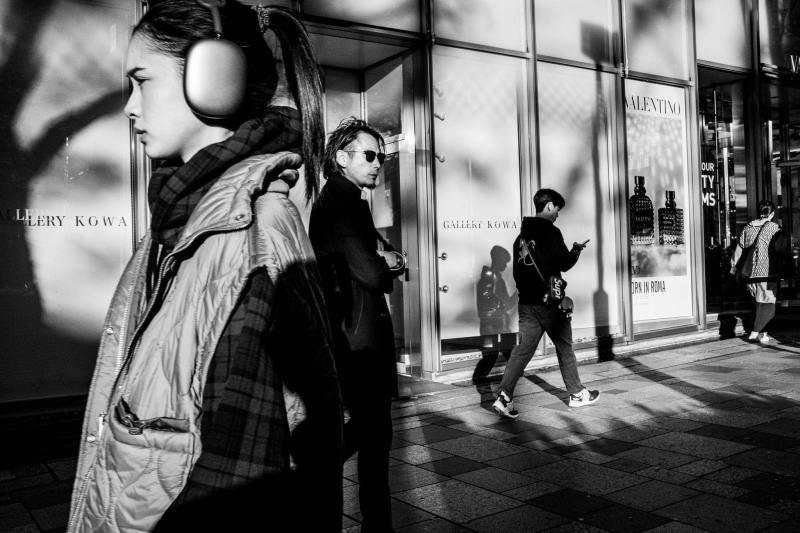
  3. Timelessness: Black-and-white images often carry a classic, timeless quality. They can evoke a sense of nostalgia and elegance, making them suitable for various subjects, from portraits to landscapes. This timeless appeal is partly why monochrome photography continues to be popular despite advances in color imaging.
  4. Highlighting Textures: Textures become more prominent in monochrome images. The interplay of light and shadow accentuates the texture of surfaces, such as the roughness of a wall or the smoothness of a skin. This can add depth and interest to the photograph, making it more engaging.

Techniques for Capturing Stunning Monochrome Images

  1. Understand Light and Shadow: Since monochrome photography relies heavily on contrast, understanding how light interacts with your subject is crucial. Pay attention to how shadows and highlights define shapes and textures. Experiment with different lighting conditions to see how they affect the mood and composition of your images.
  2. Use Filters and Post-Processing: While capturing monochrome images in-camera is an option, post-processing can offer additional control over the final look. Convert color images to black and white using software like Adobe Lightroom or Photoshop. Adjusting contrast, brightness, and tonality can help achieve the desired effect. Filters, such as red or yellow, can enhance contrast and detail in black-and-white photos.
  3. Focus on Composition: Composition is vital in monochrome photography. Since you’re not relying on color to create visual interest, focus on elements such as lines, shapes, and patterns. Use compositional techniques like leading lines, rule of thirds, and framing to create a visually compelling image.
  4. Experiment with Different Subjects: Monochrome photography can be applied to a wide range of subjects. Experiment with various themes, such as portraits, landscapes, street photography, and still life. Each subject can offer different opportunities for exploring the nuances of light, shadow, and texture.
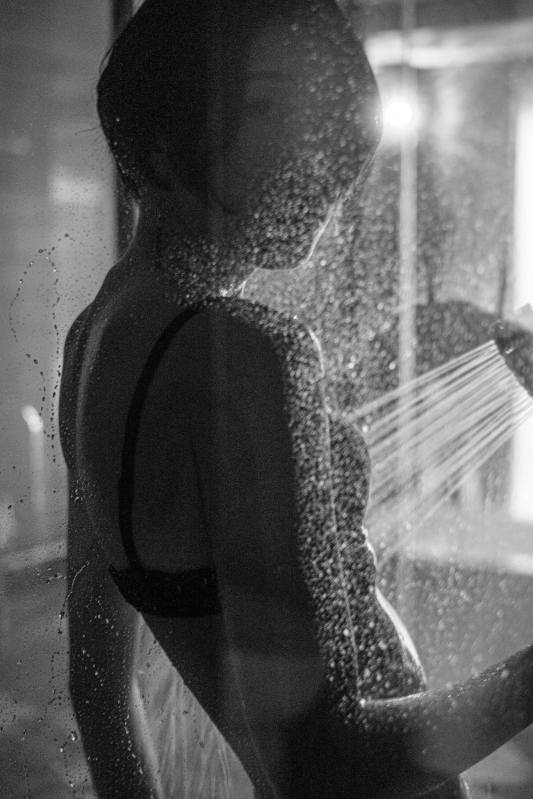
  5. Explore Different Grayscale Ranges: Pay attention to the grayscale range in your images. Ensure you have a good distribution of whites, blacks, and grays to create a balanced and dynamic photograph. Avoid images that are too flat or lack contrast by adjusting your exposure settings and post-processing techniques.
  6. Study Monochrome Masters: Learning from the work of renowned monochrome photographers can provide inspiration and insight. Explore the works of Ansel Adams, Dorothea Lange, and Henri Cartier-Bresson to understand how they used light, composition, and contrast to create powerful black-and-white images.

Practical Tips for Creating Effective Monochrome Photos

  1. Shoot in RAW: When shooting in monochrome, consider using RAW format to retain the maximum amount of detail and flexibility in post-processing. RAW files allow for more precise adjustments to contrast, exposure, and grayscale levels.
  2. Use a Monochrome Mode: Some cameras have a monochrome shooting mode that can help you visualize the final result. This mode provides a black-and-white preview, allowing you to better gauge how your scene will translate into monochrome.
  3. Pay Attention to Light Sources: Different light sources can affect the mood and quality of your monochrome images. Natural light, artificial light, and even the time of day can change how shadows and highlights appear in your photos. Experiment with different lighting conditions to see how they impact your images.
  4. Practice Patience: Creating stunning monochrome images often requires patience and experimentation. Take the time to observe how light and shadow play on your subject and how different compositions affect the overall impact of the photograph.

Conclusion

Monochrome photography offers a rich and rewarding way to explore the art of visual storytelling. By focusing on light, contrast, and composition, you can create images that are both striking and timeless. Embrace the challenge of capturing the world in shades of gray, and you may discover a new dimension to your photographic practice. Whether you’re shooting portraits, landscapes, or abstract compositions, monochrome photography allows you to distill your subjects to their most essential elements, revealing the beauty and depth that might otherwise be overlooked.

mm5