

自然に身を委ねる

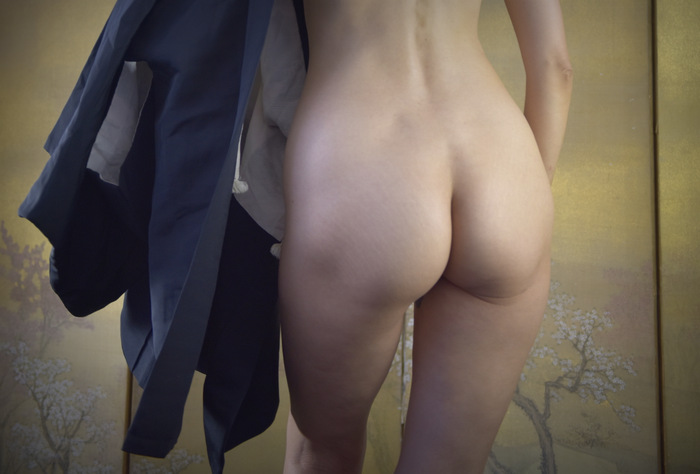
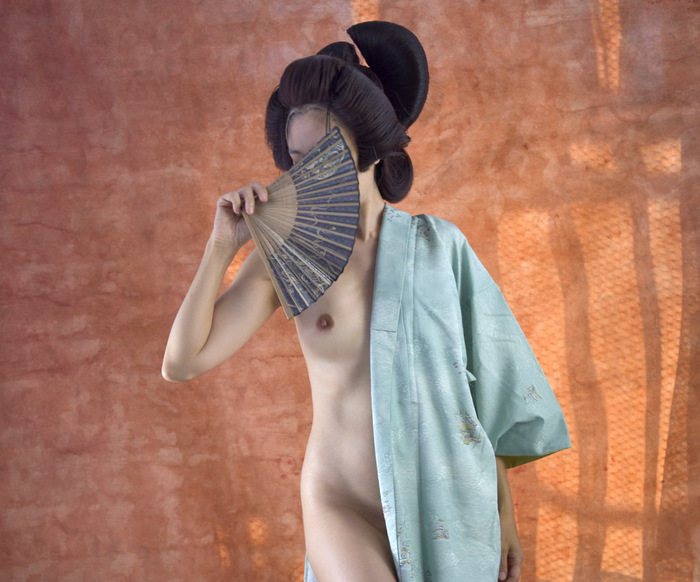
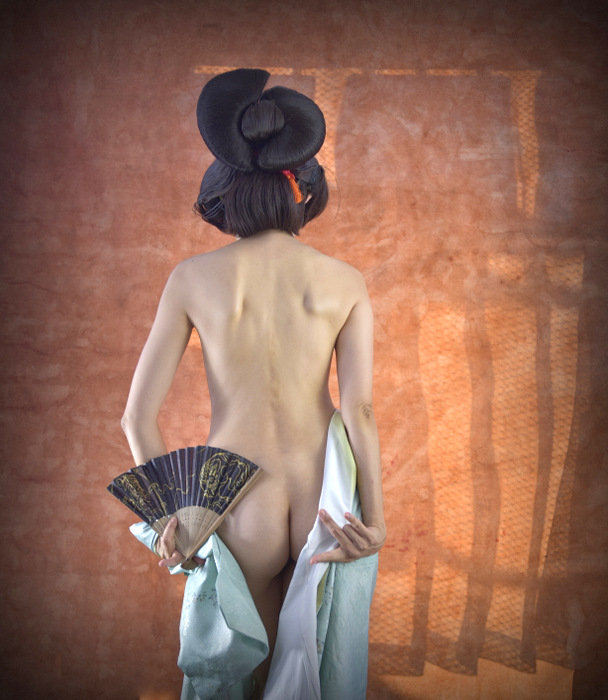
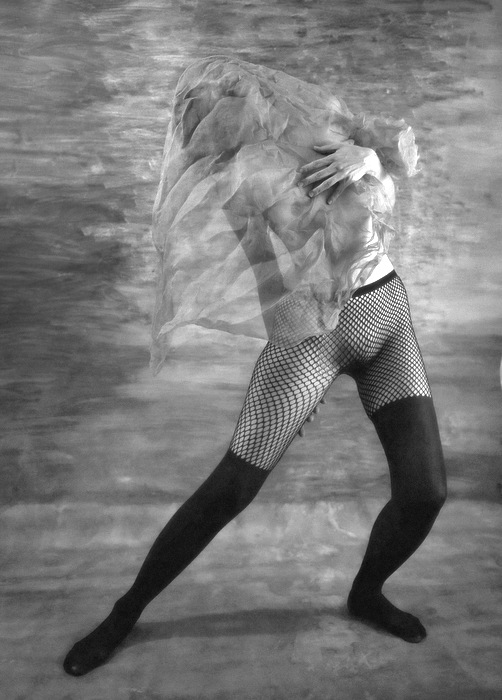
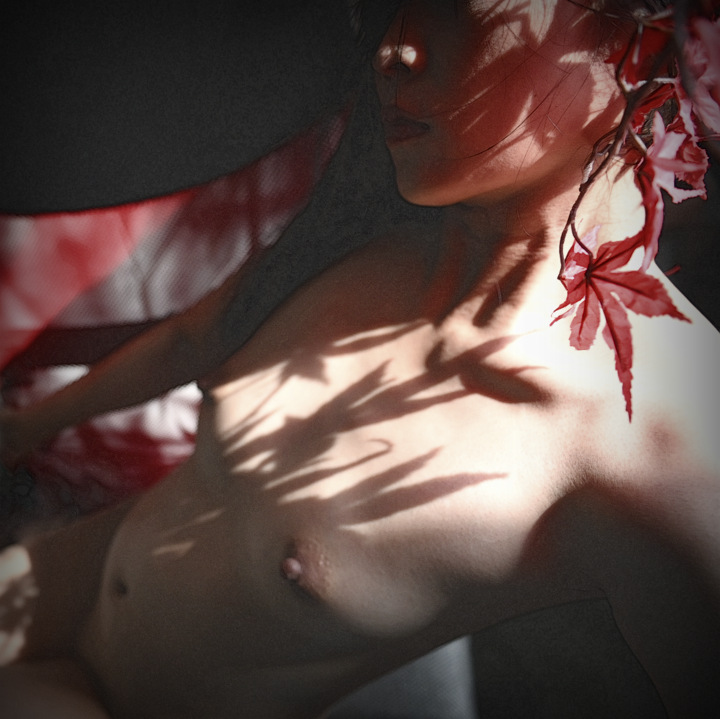
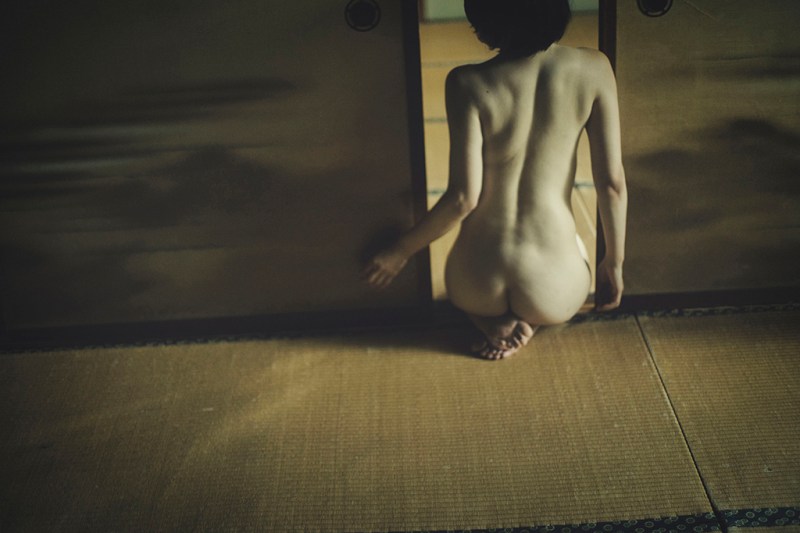
人が衣服を脱ぎ捨て、一糸まとわぬ姿で大自然の中に身を置くとき、それは単なる物理的な裸以上の意味を持つ。そこには、人間が長い歴史の中で積み重ねてきた文化や社会的規範からの解放、あるいは「本来の自分」に立ち返る試みがある。

私たちは文明の中で生きるうちに、社会的な役割を纏い、自己を規定する無数の「衣」を身につけている。職業、肩書き、家族の期待、道徳、ルール、しつけ……。こうしたものは、私たちを守る鎧であると同時に、時に重圧となり、自由を奪う拘束具にもなりうる。では、それらをすべて脱ぎ捨てたとき、私たちはどうなるのか?

森の中で、風に肌を撫でられるとき。海辺で、波に全身を包まれるとき。山の頂で、太陽の光が直接肌に降り注ぐとき。そこにあるのは、純粋な「生」そのものの感覚である。温度、湿度、風、光、香り——五感が研ぎ澄まされ、まるで生まれたてのように、世界をありのままに受け取る。

これは単なる「裸」ではない。人間が本来持っていたはずの感受性や生命力を取り戻し、身体と自然が溶け合う「解放」の瞬間なのだ。人が裸になることは、文明からの逃避ではなく、文明に覆い隠されていた「本当の自分」を思い出す行為でもある。

大地の上に立ち、樹々のささやきを聴きながら深呼吸するとき、自分が地球の一部であることを強烈に実感する。人間が作ったルールや価値観とは無関係に、ただ「ここにいる」という確信が生まれる。それは「解放」であり、同時に「帰還」でもあるのだ。

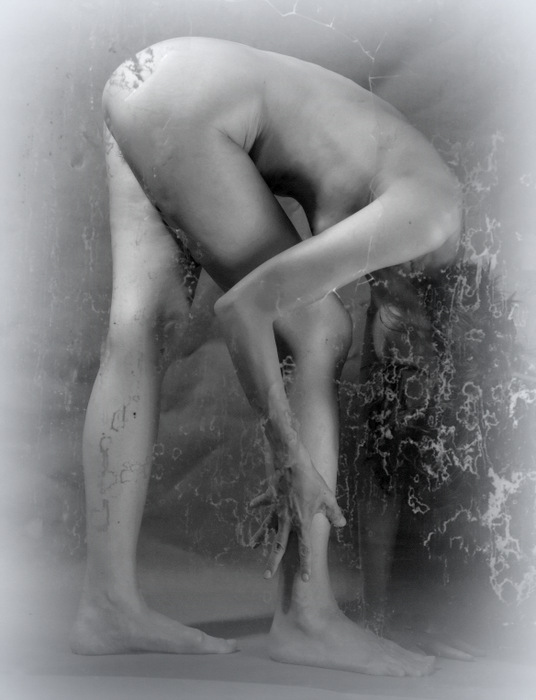
かつて、古代の人々は儀式や祭礼の中で「裸」を神聖なものとして扱った。衣を脱ぐことは、単なる羞恥を超え、魂の再生や新たな始まりを意味した。それは、現代に生きる私たちにとっても変わらない。

裸になり、自然に身を委ねること。それは、自分が作り上げた枠を超え、純粋な生命として存在するための第一歩なのかもしれない。解放とは、自由になることではない。余計なものを手放し、世界と一体になることなのだ。

フォトエッセイ「私をそのまま撮って・・」

フォトエッセイ「裸の身体はただの被写体ではなかった」

フォトエッセイ 「あなたは撮るだけでいい。私が動く」

フォトエッセイ 「ないものねだりをいつまでするんだい?」

フォトエッセイ 「孤独の果てに待つもの」

フォトエッセイ 「復讐は終わった」

フォトエッセイ 「華やぐ宵に、香のしずく」

フォトエッセイ「木漏れ日」

フォトエッセイ 「日差しの中に身を任せた」

フォトエッセイ 「抑えきれない妖艶さと崩壊の兆し」

フォトエッセイ 「縄の束縛と自由の狭間にある想い」

フォトエッセイ 「なぜ私たちはここにいるのだろう?」

フォトエッセイ「月光がセーヌを銀色に染めていた」

フォトエッセイ 「夜の静けさの中で、私たちは触れ合った」

フォトエッセイ 「恥ずかしいです・・姿を見られるのが怖いです」

フォトエッセイ 「奪うことのできない永遠の悦び」

フォトエッセイ「これまでの人生を映し出すキャンバス」

フォトエッセイ 「エルロアという少女」

フォトエッセイ「過去と未来を繋ぐ、唯一無二の光」

フォトエッセイ “自分を愛するための道具”

フォトエッセイ「豊満な体を惜しげもなく晒し」

フォトエッセイ “これが私なの?”

フォトエッセイ “君は永遠だ。そして、私はそうではない。”

フォトエッセイ 「吉原に咲き、儚く散った花魁」

フォトエッセイ 「遊郭に入ったのは十七の春だった」

フォトエッセイ「祇園の路地奥 四季ノ華」

フォトエッセイ 「異世界への入り口 祇園の夜」

フォトエッセイ 「きっとただの幻。私を探さないで」

フォトエッセイ「すべてが一夜にして彼女の手の中からこぼれ落ちた」

フォトエッセイ 「心の深い場所に刻まれたもの」

フォトエッセイ 「あるがまま」を生きること

フォトエッセイ 「これが私なの?」鏡の前で身を晒した・・

フォトエッセイ Lilith Noir

フォトエッセイ「ひっそり立つ ヌードモデル」

フォトエッセイ「性的衝動」

フォトエッセイ 性的趣向の変容する根源的問いに答える

フォトエッセイ「鏡の奥に潜むもの」

フォトエッセイ「私をそのまま撮って・・」

変態の美学:マゾヒズム 後ろ手に縛られ

普通の写真家さんと(私が)根本的に違うところは、ポートレイトの場合、アングル内に巧み収めるのではなく、”収まり切れない”画像にしたいのです。 上手いかどうかはどうでもよく、視覚的に満足できるか、楽しめるか・・が問題なのです。

変態の美学:マゾヒズム”噓つきの遺伝子”

syuppo 作品の神髄ここに見る「「傑作」が生まれるとき」

「傑作」が生まれるとき、それは必ずしも完璧な構図や美しい光の中にあるとは限らない。むしろ、思いがけない表情、ふとした動き、計算外のタイミングの中にこそ、本物の「生」が写り込む。人間の本質、自然の厳しさ、都市の鼓動――その一端を切り取れたとき、写真はただの記録から「作品」へと変わる。

こんな理不尽なことがありますかね?

今の学校教育の現場では・・

個性的であることの重要性を説いてるし、

個性を育むことを実践しようとしてる。

じゃ、社会に出たら何を求められるか?といえば

たくさんの歯車が嚙み合って社会が出来てるわけで

個性的な人がそこに入り込むと、歯歯車が噛み合わなくなって

会社(社会)は、機能不全に陥ってしまうわけです。

そこで、歯車に噛み合うような人に成れ!って

強制されるわけですね。

じゃないと、給料やらないよ・・

食っていけないよ・・と脅されるわけです。

‥こんな理不尽なことがありますかね?

学校で習ったことと真逆なことを強いられます。

荒武裕一朗 ピアノの世界

:

荒武裕一朗 ピアノの世界

この人のピアノ、決して上手というわけではなく

キレてる感じもしない

どちらかといえば、もっさりタイプ

それでも、一打一打に魂がこもっている

”人柄”が出てるね。

Offers a unique and timeless approach to capturing the world

Monochrome photography, often synonymous with black and white photography, offers a unique and timeless approach to capturing the world. By stripping away color, monochrome images focus the viewer’s attention on the composition, contrast, texture, and light. This guide explores the joys and techniques of monochrome photography, from its aesthetic appeal to practical tips for creating stunning black-and-white images.

The Aesthetic Appeal of Monochrome Photography

  1. Simplicity and Focus: Without the distraction of color, monochrome photography emphasizes shapes, lines, and forms. This simplicity can lead to more powerful and poignant imagery. The absence of color challenges the viewer to interpret the scene through shades of gray and varying contrasts, often resulting in a more profound emotional impact.
  2. Enhanced Contrast: Monochrome photography excels in showcasing contrast. The play between light and dark areas becomes more pronounced, allowing for dramatic compositions. High contrast images can evoke a sense of drama and intensity, while low contrast images can convey subtlety and tranquility.
  3. Timelessness: Black-and-white images often carry a classic, timeless quality. They can evoke a sense of nostalgia and elegance, making them suitable for various subjects, from portraits to landscapes. This timeless appeal is partly why monochrome photography continues to be popular despite advances in color imaging.
  4. Highlighting Textures: Textures become more prominent in monochrome images. The interplay of light and shadow accentuates the texture of surfaces, such as the roughness of a wall or the smoothness of a skin. This can add depth and interest to the photograph, making it more engaging.

Techniques for Capturing Stunning Monochrome Images

  1. Understand Light and Shadow: Since monochrome photography relies heavily on contrast, understanding how light interacts with your subject is crucial. Pay attention to how shadows and highlights define shapes and textures. Experiment with different lighting conditions to see how they affect the mood and composition of your images.
  2. Use Filters and Post-Processing: While capturing monochrome images in-camera is an option, post-processing can offer additional control over the final look. Convert color images to black and white using software like Adobe Lightroom or Photoshop. Adjusting contrast, brightness, and tonality can help achieve the desired effect. Filters, such as red or yellow, can enhance contrast and detail in black-and-white photos.
  3. Focus on Composition: Composition is vital in monochrome photography. Since you’re not relying on color to create visual interest, focus on elements such as lines, shapes, and patterns. Use compositional techniques like leading lines, rule of thirds, and framing to create a visually compelling image.
  4. Experiment with Different Subjects: Monochrome photography can be applied to a wide range of subjects. Experiment with various themes, such as portraits, landscapes, street photography, and still life. Each subject can offer different opportunities for exploring the nuances of light, shadow, and texture.
  5. Explore Different Grayscale Ranges: Pay attention to the grayscale range in your images. Ensure you have a good distribution of whites, blacks, and grays to create a balanced and dynamic photograph. Avoid images that are too flat or lack contrast by adjusting your exposure settings and post-processing techniques.
  6. Study Monochrome Masters: Learning from the work of renowned monochrome photographers can provide inspiration and insight. Explore the works of Ansel Adams, Dorothea Lange, and Henri Cartier-Bresson to understand how they used light, composition, and contrast to create powerful black-and-white images.

Practical Tips for Creating Effective Monochrome Photos

  1. Shoot in RAW: When shooting in monochrome, consider using RAW format to retain the maximum amount of detail and flexibility in post-processing. RAW files allow for more precise adjustments to contrast, exposure, and grayscale levels.
  2. Use a Monochrome Mode: Some cameras have a monochrome shooting mode that can help you visualize the final result. This mode provides a black-and-white preview, allowing you to better gauge how your scene will translate into monochrome.
  3. Pay Attention to Light Sources: Different light sources can affect the mood and quality of your monochrome images. Natural light, artificial light, and even the time of day can change how shadows and highlights appear in your photos. Experiment with different lighting conditions to see how they impact your images.
  4. Practice Patience: Creating stunning monochrome images often requires patience and experimentation. Take the time to observe how light and shadow play on your subject and how different compositions affect the overall impact of the photograph.

The Aesthetic Appeal of Monochrome Photography

  1. Simplicity and Focus: Without the distraction of color, monochrome photography emphasizes shapes, lines, and forms. This simplicity can lead to more powerful and poignant imagery. The absence of color challenges the viewer to interpret the scene through shades of gray and varying contrasts, often resulting in a more profound emotional impact.
  2. Enhanced Contrast: Monochrome photography excels in showcasing contrast. The play between light and dark areas becomes more pronounced, allowing for dramatic compositions. High contrast images can evoke a sense of drama and intensity, while low contrast images can convey subtlety and tranquility.
  3. Timelessness: Black-and-white images often carry a classic, timeless quality. They can evoke a sense of nostalgia and elegance, making them suitable for various subjects, from portraits to landscapes. This timeless appeal is partly why monochrome photography continues to be popular despite advances in color imaging.
  4. Highlighting Textures: Textures become more prominent in monochrome images. The interplay of light and shadow accentuates the texture of surfaces, such as the roughness of a wall or the smoothness of a skin. This can add depth and interest to the photograph, making it more engaging.

Techniques for Capturing Stunning Monochrome Images

  1. Understand Light and Shadow: Since monochrome photography relies heavily on contrast, understanding how light interacts with your subject is crucial. Pay attention to how shadows and highlights define shapes and textures. Experiment with different lighting conditions to see how they affect the mood and composition of your images.
  2. Use Filters and Post-Processing: While capturing monochrome images in-camera is an option, post-processing can offer additional control over the final look. Convert color images to black and white using software like Adobe Lightroom or Photoshop. Adjusting contrast, brightness, and tonality can help achieve the desired effect. Filters, such as red or yellow, can enhance contrast and detail in black-and-white photos.
  3. Focus on Composition: Composition is vital in monochrome photography. Since you’re not relying on color to create visual interest, focus on elements such as lines, shapes, and patterns. Use compositional techniques like leading lines, rule of thirds, and framing to create a visually compelling image.
  4. Experiment with Different Subjects: Monochrome photography can be applied to a wide range of subjects. Experiment with various themes, such as portraits, landscapes, street photography, and still life. Each subject can offer different opportunities for exploring the nuances of light, shadow, and texture.
  5. Explore Different Grayscale Ranges: Pay attention to the grayscale range in your images. Ensure you have a good distribution of whites, blacks, and grays to create a balanced and dynamic photograph. Avoid images that are too flat or lack contrast by adjusting your exposure settings and post-processing techniques.
  6. Study Monochrome Masters: Learning from the work of renowned monochrome photographers can provide inspiration and insight. Explore the works of Ansel Adams, Dorothea Lange, and Henri Cartier-Bresson to understand how they used light, composition, and contrast to create powerful black-and-white images.

Practical Tips for Creating Effective Monochrome Photos

  1. Shoot in RAW: When shooting in monochrome, consider using RAW format to retain the maximum amount of detail and flexibility in post-processing. RAW files allow for more precise adjustments to contrast, exposure, and grayscale levels.
  2. Use a Monochrome Mode: Some cameras have a monochrome shooting mode that can help you visualize the final result. This mode provides a black-and-white preview, allowing you to better gauge how your scene will translate into monochrome.
  3. Pay Attention to Light Sources: Different light sources can affect the mood and quality of your monochrome images. Natural light, artificial light, and even the time of day can change how shadows and highlights appear in your photos. Experiment with different lighting conditions to see how they impact your images.
  4. Practice Patience: Creating stunning monochrome images often requires patience and experimentation. Take the time to observe how light and shadow play on your subject and how different compositions affect the overall impact of the photograph.

Conclusion

Monochrome photography offers a rich and rewarding way to explore the art of visual storytelling. By focusing on light, contrast, and composition, you can create images that are both striking and timeless. Embrace the challenge of capturing the world in shades of gray, and you may discover a new dimension to your photographic practice. Whether you’re shooting portraits, landscapes, or abstract compositions, monochrome photography allows you to distill your subjects to their most essential elements, revealing the beauty and depth that might otherwise be overlooked.

mm5